
Search
We aimed to assess perceived stress and influencing factors in mothers with children at risk of type 1 diabetes and coeliac disease who did, or did not, develop islet autoantibodies or coeliac autoantibodies by 4 years of age.
Since the first description of bronchopulmonary dysplasia (BPD), multiple definitions to diagnose BPD and its grading have been published. Several studies have compared the predictive performance of these definitions for long-term outcomes. The objective was to identify the BPD definition with the optimal predictive performance for long-term respiratory and neurological outcomes in preterm infants.
Peroxisome proliferator-activated receptor γ (PPARγ) is a prominent ligand-inducible transcription factor involved in adipocyte differentiation, glucose homeostasis, insulin sensitivity, inflammation, and cell proliferation, making it a therapeutic target for diabetes, metabolic syndrome, autoimmune diseases, and cancer.
Antimicrobial resistance poses a significant threat to children's health, with up to 20% of 1.27 million deaths attributable to bacterial AMR annually, occurring in children <5 years. The WHO 2024 Bacterial Priority Pathogens List identifies methicillin-resistant Staphylococcus aureus (MRSA) and vancomycin-resistant Enterococcus faecium (VRE) as critical pathogens. This review examines the epidemiology, treatment recommendations, dosing strategies, efficacy, and safety data for antibiotics targeting MRSA and VRE infections in children in Oceania.
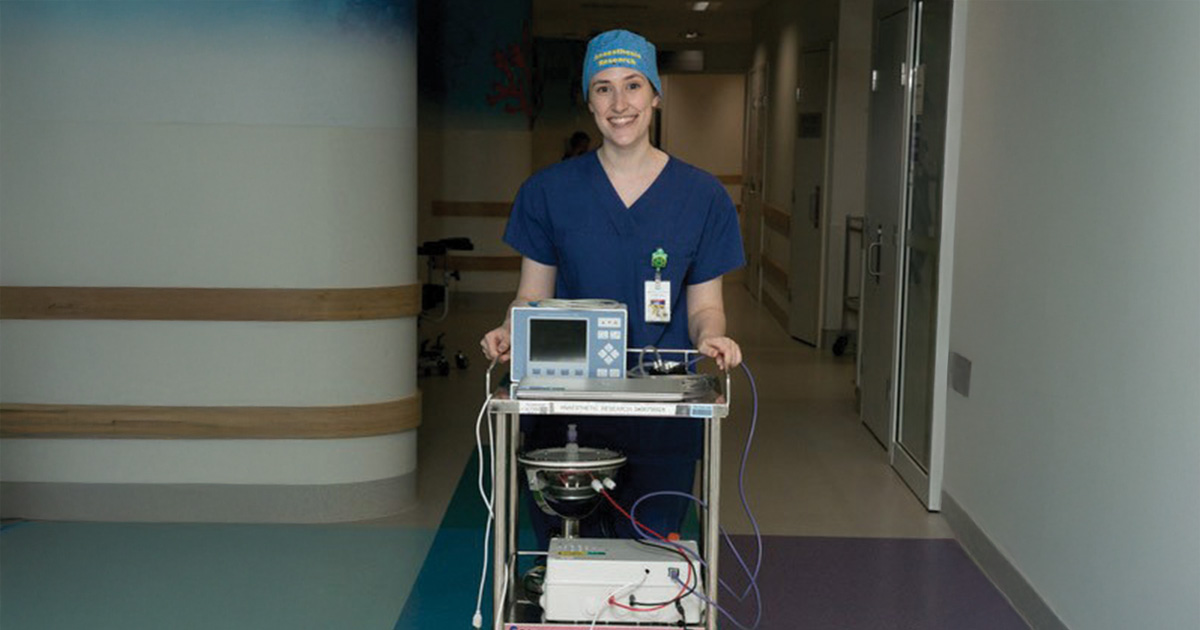
When kids are having surgery, the most common problem that can occur during anaesthesia is a respiratory adverse event.
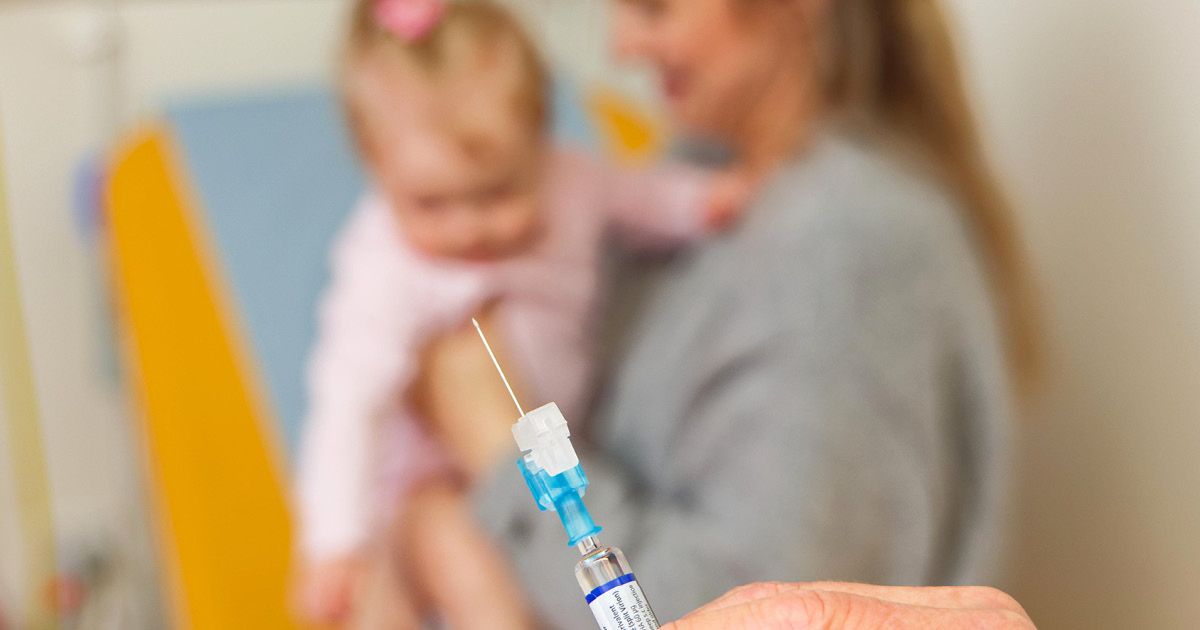
As a leading research site in Australia, the Wesfarmers Centre of Vaccines and Infectious Diseases played an instrumental role in the global effort to develop a world-first RSV immunisation for young babies.

Formative research undertaken by The Kids Research Institute Australia has helped inform tough new laws introduced by the Federal Government to reduce the harm caused by vapes.
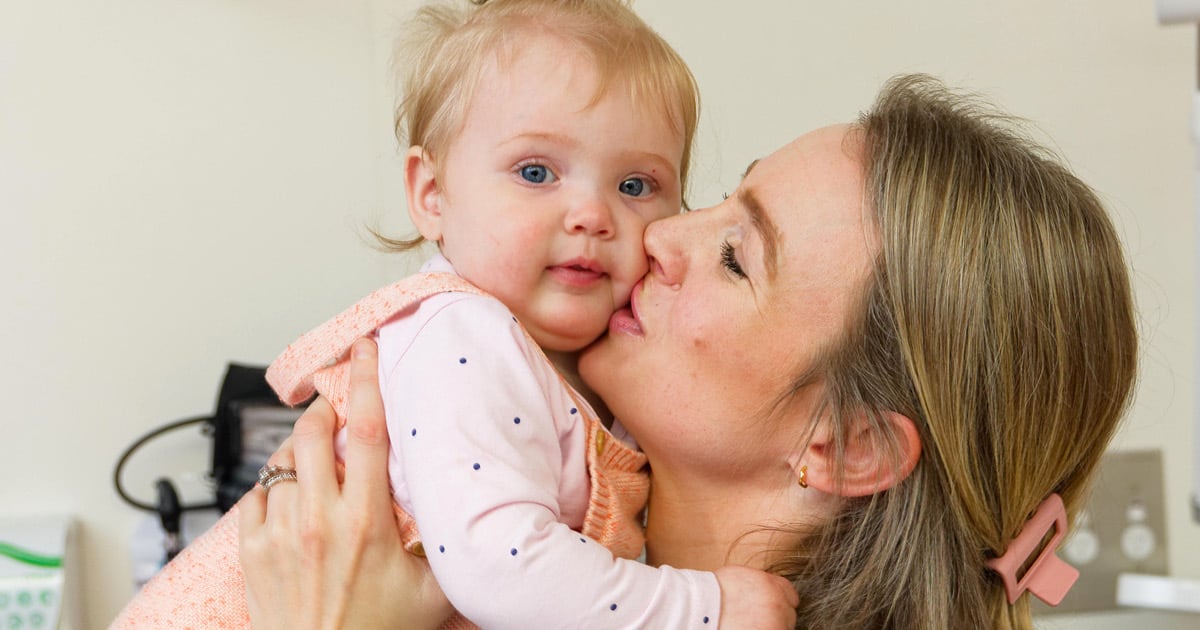
Prevention of respiratory syncytial virus (RSV) is now a real possibility thanks to the rollout of an immunisation program backed by a decade’s worth of epidemiological research led by The Kids Research Institute Australia.

A Kimberley study seeking to better understand Strep A in remote settings is helping to guide new approaches to prevent acute rheumatic fever (ARF) – an auto-immune response that typically begins with a sore throat and causes high fever, tiredness and swollen joints.

A world-first program for babies with differences in their social and communication skills is aiming to help parents and caregivers better understand the different ways their child communicates.