
Search
Showing results for "preterm birth lungs"
We found no evidence for a difference in the timing of the laryngeal mask airways removal on the incidence of respiratory adverse events
Evaluating the difference of the effects of Laryngeal mask airways compared to endotracheal tubes in older children (>1 year) in incidents of PRAE in infants.
This study aimed to determine how pulmonary inflammation & infection impacts on ventilation distribution throughout early life in people with cystic fibrosis.
This editorial article addresses chronic obstructive pulmonary disease and lung function testing in Aboriginal Australians.
This study explored how children and adolescents with a neuromuscular disorder (NMD) and their parents experienced barriers and enablers to the child's participation.
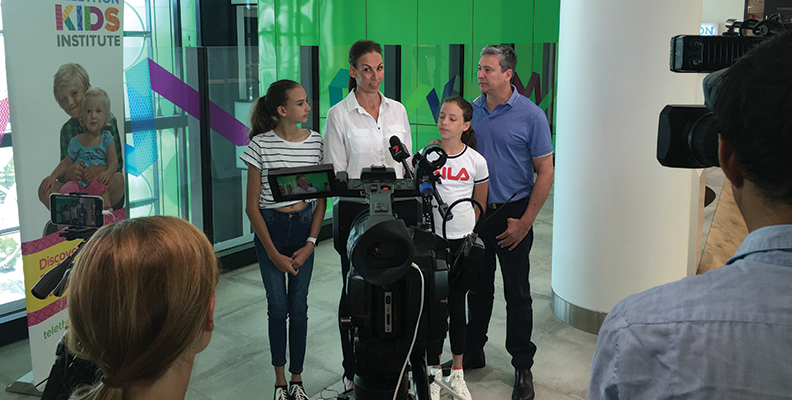
The Kids Research Institute Australia spin-off company, Respirion, received $20 million in funding to develop a promising new therapy.
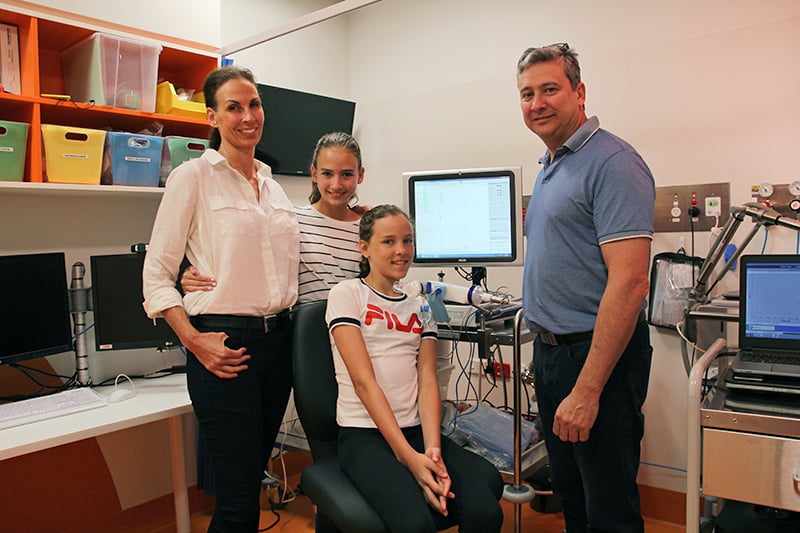
The family of two girls with cystic fibrosis are hopeful after The Kids Research Institute Australia spin-off company, Respirion, receives $20 million in funding to develop a promising new therapy.
Siblings of children with neurodevelopmental conditions have unique experiences and challenges related to their sibling role. Some develop mental health concerns as measured by self-reported surveys or parent report. Few data are available at the population level, owing to difficulties capturing wide-scale health data for siblings. Data linkage is a technique that can facilitate such research.
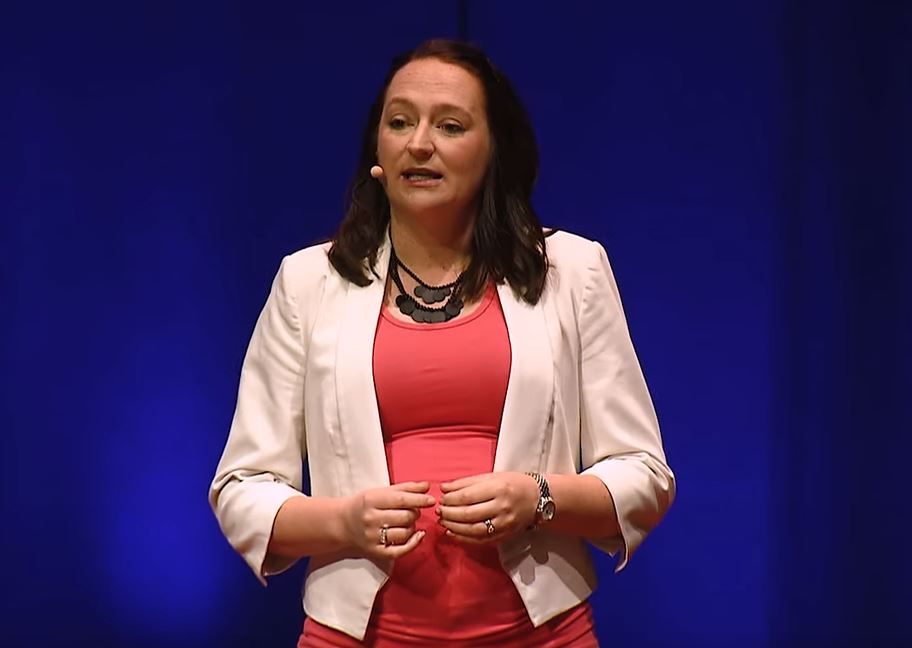
Dr Hannah Moore was one of WA’s brightest minds chosen to speak at TEDX Perth in November last year, presenting her insights into the power of data in fighting infectious diseases to a sold-out crowd at the Perth Concert Hall.
Our data demonstrate changes in airway responsiveness as a result of intrauterine growth restriction that could influence susceptibility to asthma development