
Search
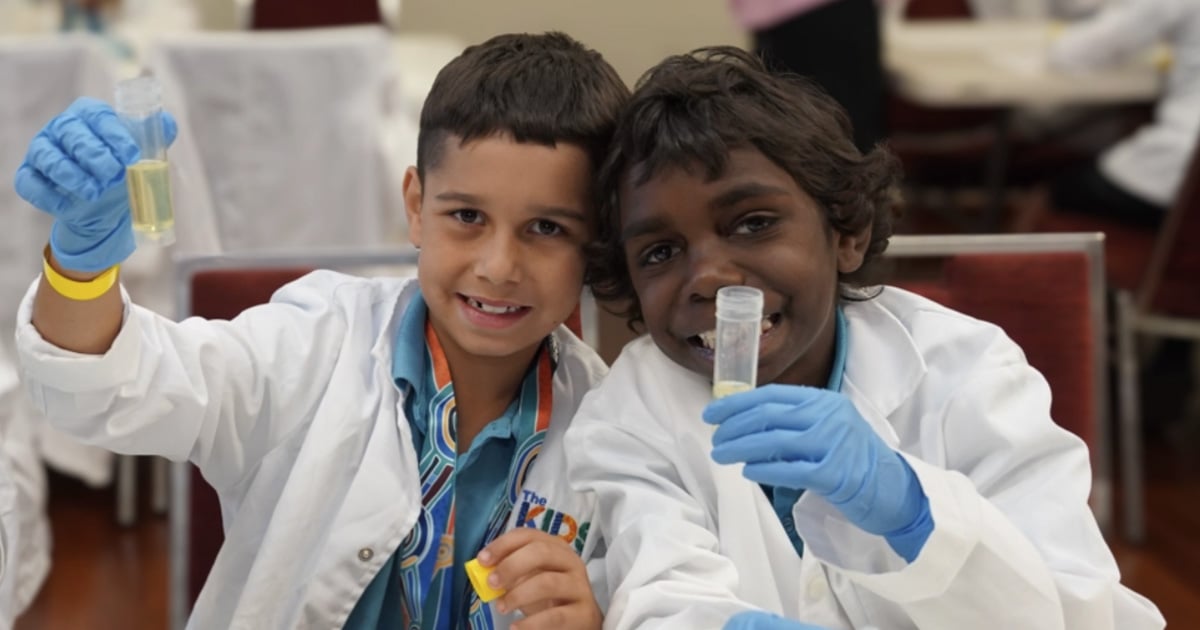
The Broome Civic Centre recently turned into a buzzing hub of discovery as The Kids Research Institute Australia proudly presented the 2025 Broome STEM Festival.

Dr Mara West
Respiratory oscillometry (or the forced oscillation technique) is a highly practical lung function test that can be applied in a wide range of clinical scenarios in children and adults, including the clinic, intensive care unit, patient home monitoring and emergency departments. Oscillometry measurements complement spirometry in detecting abnormal lung function, measuring effects of treatment such as inhaled corticosteroids or bronchodilators, and changes due to disease activity.
Aim: To: (1) develop a core outcome set (COS) to assess chronic pain interference and impact on emotional functioning for children and young people with cerebral palsy (CP) with varying communication, cognitive, and functional abilities; (2) categorize the assessment tools according to reporting method or observer-reported outcome measures; and (3) categorize the content of tools in the COS according to the International Classification of Functioning, Disability and Health (ICF).
To identify factors influencing the completion of a three-dose course of weekly intramuscular benzathine penicillin G injections by adults and adolescents with syphilis of unknown duration or late syphilis.
Dietary intake during the first year of life is a key determinant of a child's growth and development. ORIGINS is a longitudinal birth cohort study investigating factors that contribute to a 'healthy start to life' and the prevention of non-communicable diseases.
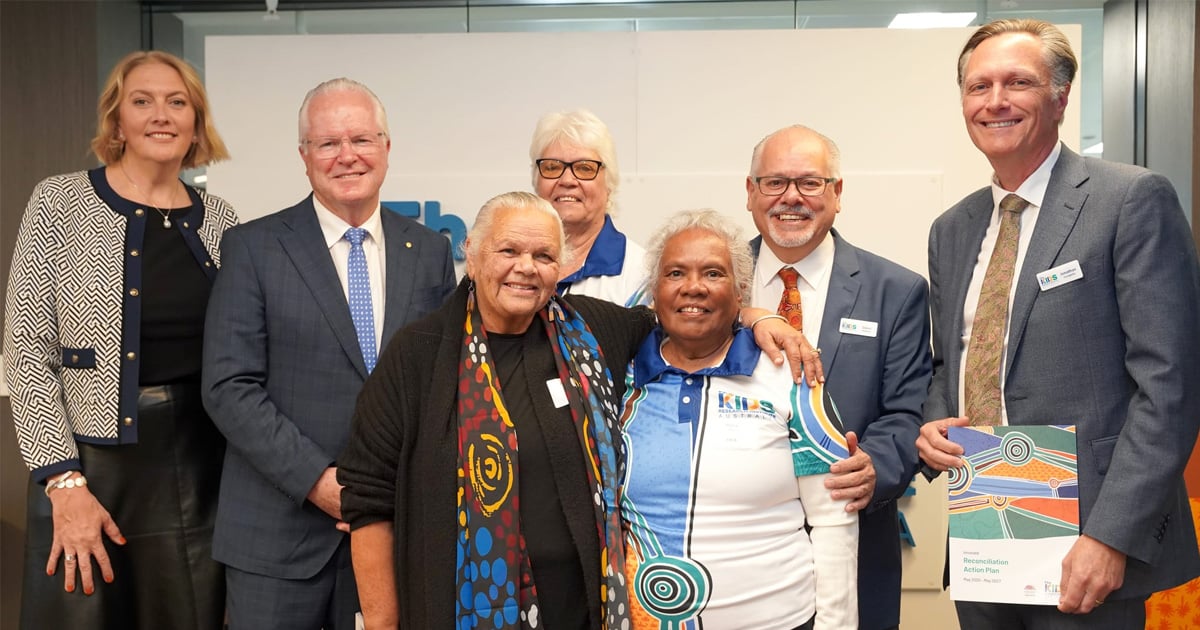
Our vision for reconciliation is a future where Aboriginal and Torres Strait Islander children and families experience equity in health, wellbeing and opportunity – empowered by partnerships grounded in respect, collaboration, and benefit.
Hope is well recognised as a positive protective factor for mental health, improved coping responses to adverse childhood events and better educational outcomes. Hope is composed of synergistic constituents – agency and pathway. A retrospective chart review was conducted of 53 justice-involved youths (10−17 years old) who underwent Fetal Alcohol Spectrum Disorder (FASD) diagnostic assessments with Patches in Western Australia between 2019 and 2020.
Shared decision-making between patients and primary healthcare professionals positively impacts health outcomes. However, people with intellectual disability face additional barriers and require supported shared decision-making (SSDM) to participate. Little is known about how healthcare professionals use SSDM with this population. This paper explores the facilitators and barriers experienced, and strategies/resources employed by healthcare professionals working with people with intellectual disability.
Despite advances in immunotherapy, metastatic melanoma remains a considerable therapeutic challenge due to the complexity of the tumor microenvironment. Intratumoral type I interferon (IFN-I) has long been associated with improved clinical outcomes. However, several IFN-I subtypes can also paradoxically promote tumor growth in some contexts.