
Search
Showing results for "Childhood interstitial lung disease "
The aim of our study was to investigate whether CBL0137 has potential as a therapeutic and chemopotentiating compound in MLL-r leukemia
Port Hedland is hosting some of Australia’s most respected health researchers this week as they join forces with local health professionals to improve the health of people living in the tropical north of the country.
Aim was to standardize the names given to the antigens (allergens) that caused IgE-mediated allergies in humans

Introducing the Rio Tinto Children's Diabetes Centre: A JDRF Global Centre of Excellence
Valerie Verhasselt MD, PhD Head, Immunology and Breastfeeding 0402997617 Valerie.verhasselt@thekids.org.au Head, Immunology and Breastfeeding @
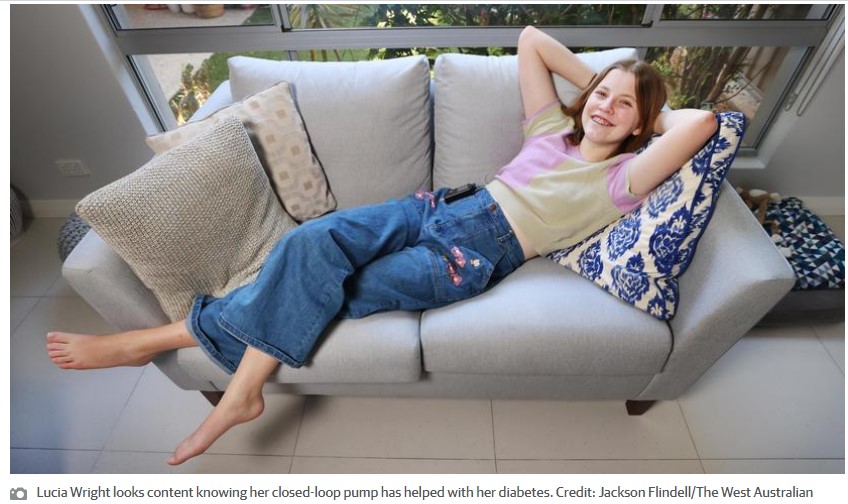
New Insulin delivery technology improves quality of life and offers better glucose control in young people living with type 1 diabetes.
Desiree Peter Silva Richmond MBBS, FRACP, MPH, PhD MBBS MRCP(UK) FRACP Co-Director, ORIGINS Head, Vaccine Trials Group desiree.silva@thekids.org.au
Reflexivity is crucial for researchers and health professionals working within Aboriginal health. Reflexivity provides a tool for non-Aboriginal researchers to contribute to the broader intention of reframing historical academic positivist paradigms into Indigenous research methodologies to privilege Aboriginal voices in knowledge construction and decision-making.
Vietnam, as one of the countries in the Greater Mekong Subregion, has committed to eliminating all malaria by 2030. Declining case numbers highlight the country's progress, but challenges including imported cases and pockets of residual transmission remain. To successfully eliminate malaria and to prevent reintroduction of malaria transmission, geostatistical modelling of vulnerability (importation rate) and receptivity (quantified by the reproduction number) of malaria is critical.
Skin conditions most frequently encountered in paediatric practice include infections, infestations, atopic dermatitis, and acne. Skin of colour refers to skin with increased melanin and darker pigmentation, and reflects global racial and ethnic diversity. Managing skin conditions in skin of colour requires health equity nuance, which is rarely explicitly taught.