Skip to content

Search

Showing results for "Childhood interstitial lung disease "

“I don't really exist here”: A reflexive thematic analysis of dissociative symptoms described by adolescents and their parents and clinicians

Dissociative symptoms are associated with a range of negative outcomes, yet little is understood about how adolescents experience dissociation in their daily lives. This study aimed to describe adolescents’ dissociative symptoms from the perspective of adolescents, their parents, and their treating clinicians.

Vitamin D content of wild-caught traditional foods collected on Nyoongar Country in Western Australia

Low vitamin D status and intake are prevalent among the Australian population, including Aboriginal and Torres Strait Islander peoples. We hypothesised that some traditional foods could contain vitamin D, and measured vitamin D in foods from Nyoongar Country, Western Australia. Samples of kangaroo, emu, squid/calamari and lobster/crayfish were collected and prepared by Aboriginal people using traditional and contemporary methods.

Natural disasters and the demand for health insurance

Amidst growing concerns over heightened natural disaster risks, this study pioneers an inquiry into the causal impacts of cyclones on the demand for private health insurance in Australia. We amalgamate a nationally representative longitudinal dataset with historical cyclone records, employing an individual fixed effects model to assess the impacts of various exogenously determined cyclone exposure measures.

"i Think i Could Have Used It Better": Experiences of Youth with High HbA1c Commencing Advanced Hybrid Closed-Loop Therapy in a Clinical Trial Setting - A Qualitative Research

Advanced hybrid closed-loop (AHCL) therapy improves glycemia. However, it is not known if there is an improvement in overall outcomes with AHCL for youth with type 1 diabetes (T1D) at high risk of diabetes-related complications. The study aimed to capture the experiences of youth with suboptimal glycemic control when commencing AHCL therapy in a clinical trial setting. 

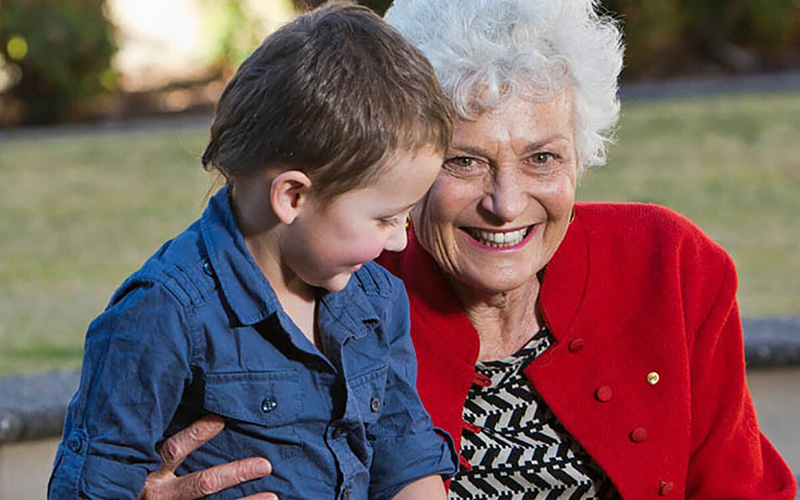
The Role of Grandparents in Facilitating Children’s Physical Activity

Research suggests there is considerable opportunity to improve children's movement behaviors while they are being cared for by their grandparents. An understanding of the extent to which grandparent practices facilitate children's engagement in physical activity is critical to the development of health interventions targeting grandparent caregivers.

Efficacy of DYRK1A inhibitors in novel models of Down syndrome acute lymphoblastic leukemia

Despite significant advances, outcomes for children with Down syndrome (DS, trisomy 21) who develop acute lymphoblastic leukemia remain poor. Reports of large DS-ALL cohorts have shown that children with DS have inferior event-free survival and overall survival compared to children without DS.

Barriers and enablers to promoting grandchildren’s physical activity and reducing screen time: a qualitative study with Australian grandparents

With an increasing number of grandparents providing care to their grandchildren, calls have been made for these caregivers to be considered important stakeholders in encouraging children's engagement in health-promoting behaviors, such as physical activity.

Improved Glycemic Outcomes With Diabetes Technology Use Independent of Socioeconomic Status in Youth With Type 1 Diabetes

Technology use in type 1 diabetes (T1D) is impacted by socioeconomic status (SES). This analysis explored relationships between SES, glycemic outcomes, and technology use.

Powerful promotions: An investigation of the teen-directed marketing power of outdoor food advertisements located near schools in Australia

Adolescents are heavily exposed to unhealthy outdoor food advertisements near schools, however, the marketing power of these advertisements among adolescents has not yet been explored. This study aimed to investigate the teen-directed marketing features present and quantify the overall marketing power of outdoor food advertisements located near schools to explore any differences by content (ie, alcohol, discretionary, core and miscellaneous foods) school type (ie, primary, secondary, K-12) and area-level socio-economic status (SES; ie, low vs high).

The Impact of Unfavourable Climatic Conditions on Children and Families

This project aims to explore the impacts of unfavourable climatic conditions on children and families.