
Search
Showing results for "early lung health"
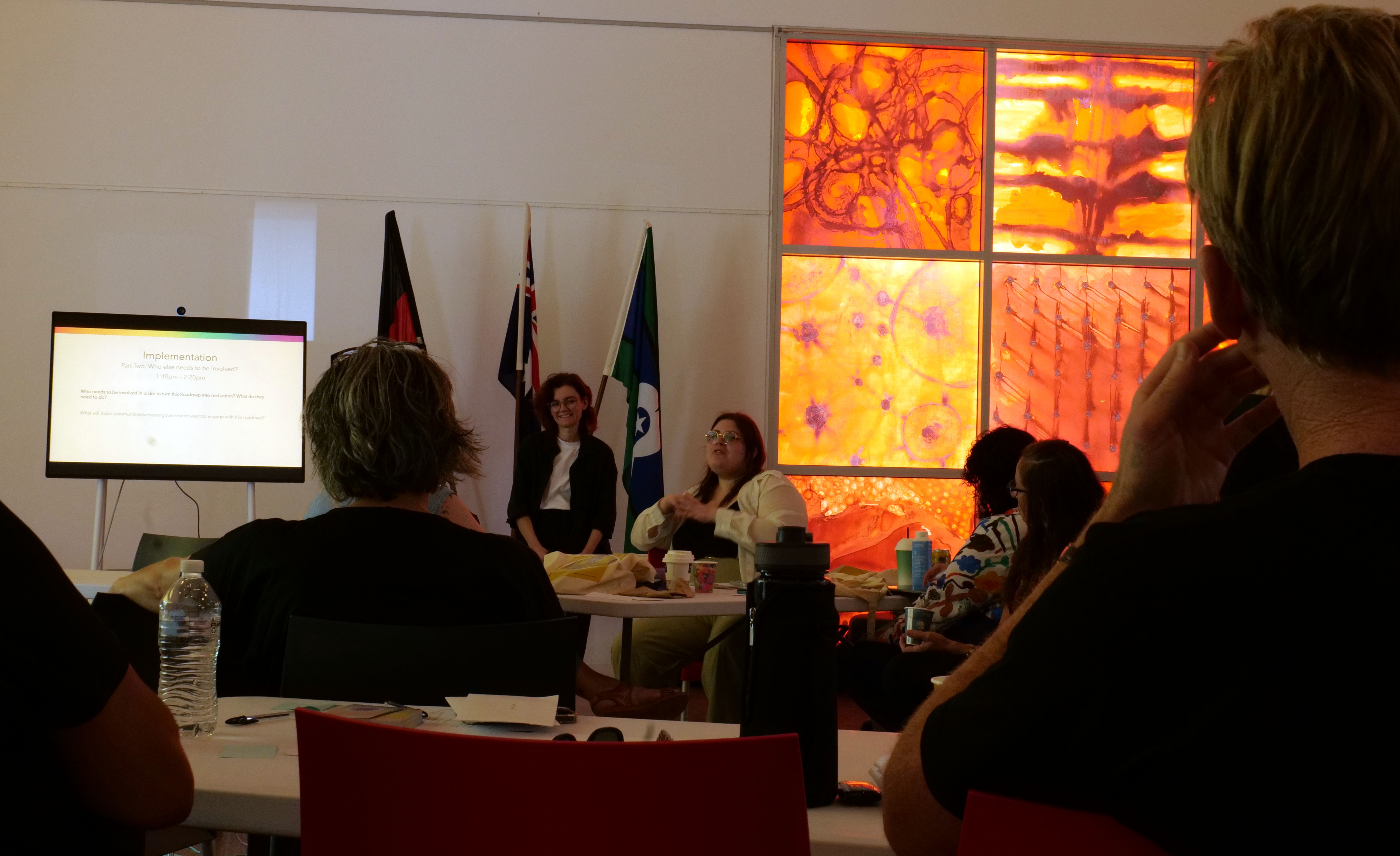
Walkern Katatdjin researcher and lead author Mx Shakara Liddelow-Hunt leads a conversation with the community on the key actions to include in the Roadmap.
Parents of trans and gender diverse (herein ‘trans’) children experience additional challenges in their parenting role relative to parents of cisgender children. Understanding and enhancing parents’ empowerment is a promising approach to support both parents and children. We aimed to develop an empowerment scale specific to parents of trans children, grounded in parents’ lived experiences.
Trans youth are at high risk of mental health difficulties and negative life events. Strong parental support is highly protective however there is little understanding of what factors facilitate the process of parental understanding and acceptance of a child’s gender identity.
We report the findings from a qualitative study that took place alongside a fetal alcohol spectrum disorder (FASD) prevalence study among detainees in Australia
Determining young people's knowledge of energy drink (EDs), factors influencing ED consumption and intervention strategies to lower ED consuption in youth.
This study aims to establish FASD prevalence among sentenced young people in detention in Western Australia (WA)
Fetal Alcohol Spectrum Disorder (FASD) is a lifelong condition characterised by severe neurodevelopmental impairment due to prenatal exposure to alcohol.
Streptococcus pyogenes (Strep A) is a leading cause of morbidity and mortality across the globe, annually causing hundreds of millions of cases of disease.
Being physically active is critical for healthy ageing, yet many older people do not meet physical activity guidelines. The aim of this study was to test the relative effectiveness of five previously identified campaign slogans designed to encourage older people to be more physically active: 'Be active 30-60 minutes a day to stay fit and well'; 'Move more, live longer'; 'Stay fit to stay functional'; 'This is your time - enjoy being strong and active'; and 'Use it or lose it'.
Children have a universal right to live free from exposure to family and domestic violence (FDV). Children exposed to FDV can experience long-term effects on their physical and psychological health and their social competencies including social, emotional, and cognitive skills and behaviours that underpin successful social adaptation and academic achievement. The aim of this study was to investigate if children exposed to FDV were more likely to be vulnerable on school readiness measures compared to those children who were not exposed.