
Search
Showing results for "Childhood interstitial lung disease "
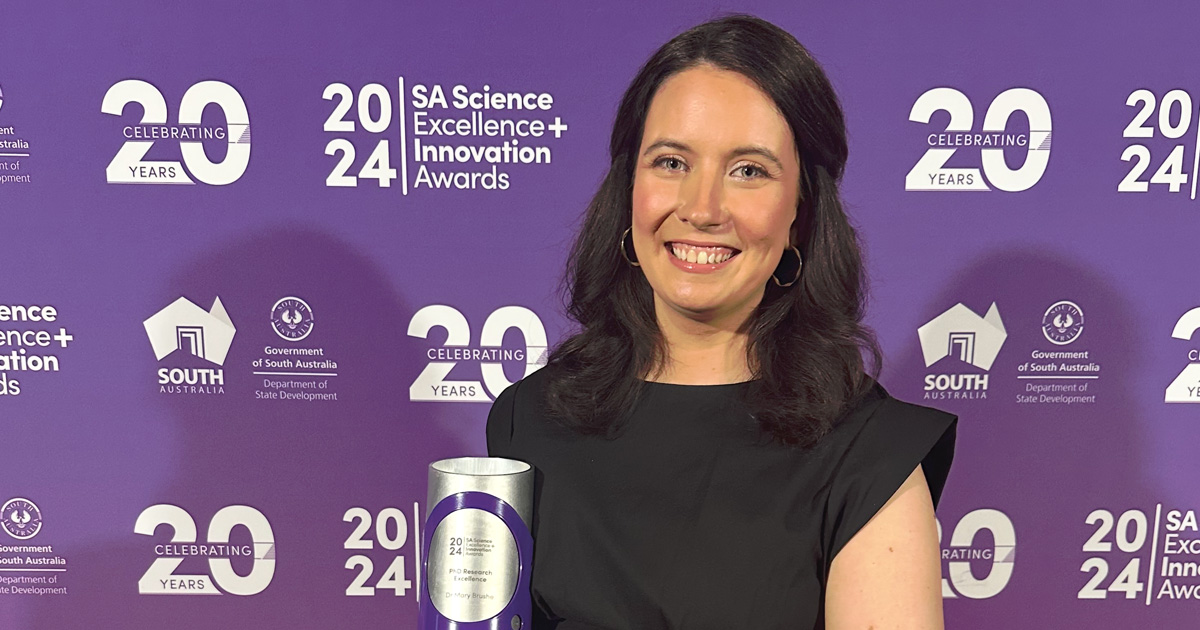
An early childhood researcher based at The Kids Research Institute Australia’s Adelaide office has been honoured at South Australia’s Science Excellence and Innovation Awards for her work revealing the link between screen time exposure and toddlers’ language development.
Childhood brain tumors (CBT) are the leading cause of cancer death in children, yet their etiology remains largely unknown.
The association between parental smoking and risk of childhood acute lymphoblastic leukemia (ALL) was investigated
The association between parental smoking and risk of childhood acute lymphoblastic leukemia (ALL) was investigated in an Australian population-based...

Research Fellow Karen Lombardi recently joined Embrace @ The Kids Research Institute Australia
Children with adverse childhood experiences (ACEs) can have difficulty adapting to the school context and may therefore be more likely to be suspended. We examined the association between ACEs and suspensions using linked administrative data on children born in Western Australia from July 2003–June 2004.
These challenges in measuring early childhood development are exacerbated when making comparisons across cultures
We found no increased risk of poor development among boys with hypospadias or undescended testis
Parent–child book reading interventions alone are unlikely to meet needs of children and families for whom the absence of reading is psychosocial risk factor
One of the great success stories of modern medicine is undoubtedly the remarkable improvement in outcome for childhood cancer, achieved through the work of...