
Search
Showing results for "Childhood interstitial lung disease "

An innovative The Kids program is helping to slash waiting times so children can have their ear problems checked within days.

The Kids researchers are working with Perth Children’s Hospital and other experts across the country to get ahead of a sneaky virus few mums or even health professionals have heard of.
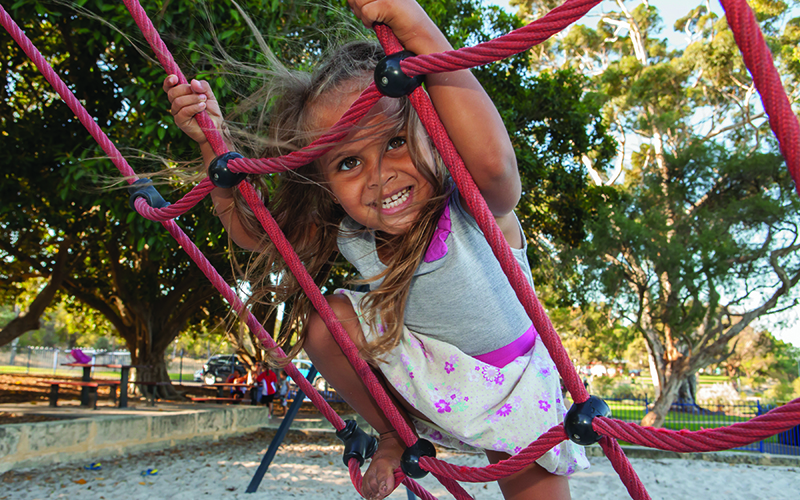
In 2020, the National Closing the Gap partnership made improving early development of Aboriginal and Torres Strait Islander children one of its top priorities. Australia will measure progress in this area using the AEDC.
Low vitamin D intake and prevalence of serum 25-hydroxyvitamin D concentration <50 nmol/L among Aboriginal and Torres Strait Islander peoples highlight a need for public health strategies to improve vitamin D status. Since few foods contain naturally occurring vitamin D, food fortification could be a suitable strategy. We aimed to model vitamin D food fortification scenarios among Aboriginal and Torres Strait Islander peoples.
Amidst growing concerns over heightened natural disaster risks, this study pioneers an inquiry into the causal impacts of cyclones on the demand for private health insurance in Australia. We amalgamate a nationally representative longitudinal dataset with historical cyclone records, employing an individual fixed effects model to assess the impacts of various exogenously determined cyclone exposure measures.
Irritability is a transdiagnostic indicator of child and adolescent internalizing and externalizing problems that is measurable from early life. The objective of this systematic review was to determine the strength of the association between irritability measured from 0 to 5 years and later internalizing and externalizing problems, to identify mediators and moderators of these relationships, and to explore whether the strength of the association varied according to irritability operationalization.
Components of the bone marrow microenvironment (BMM) have been shown to mediate the way in which leukemia develops, progresses and responds to treatment. Increasing evidence shows that leukemic cells hijack the BMM, altering its functioning and establishing leukemia-supportive interactions with stromal and immune cells.
Energy drinks (EDs) are not recommended for minors' consumption due to a myriad of health risks, but marketing initiatives persist. This study explored the promotion of EDs on TikTok, a platform frequented by children and adolescents.
Adolescents are heavily exposed to unhealthy outdoor food advertisements near schools, however, the marketing power of these advertisements among adolescents has not yet been explored. This study aimed to investigate the teen-directed marketing features present and quantify the overall marketing power of outdoor food advertisements located near schools to explore any differences by content (ie, alcohol, discretionary, core and miscellaneous foods) school type (ie, primary, secondary, K-12) and area-level socio-economic status (SES; ie, low vs high).
Previous research has highlighted children's frequent exposure to advertisements of unhealthy food and beverages on television. However, the food industry is increasingly utilising non-broadcast channels such as outdoor advertising (eg billboards, bus shelters, shop fronts) for product marketing.