
Search
Showing results for "mental health aboriginal"
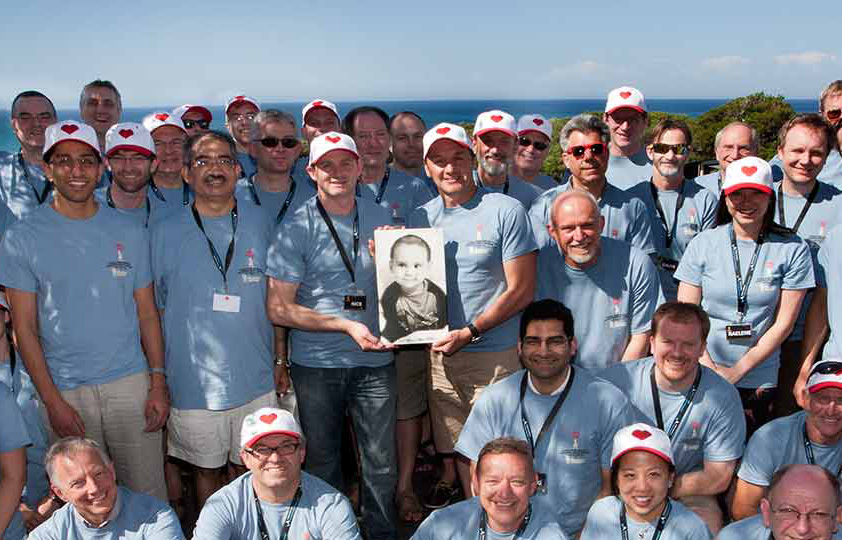
We rely on our fundraisers enormously. Not only are they out there raising money to help fund our research into children’s health, they’re raising awareness within the community about the broad scope of work we do. They are helping to create hope for children and their families. Want to get involved?
This article is an in-depth analysis of the social nature of vaccine decision-making
To identify and describe potentially vaccine-preventable child deaths in New South Wales (NSW).
We conducted a randomized controlled trial of short message service (SMS) reminders for influenza vaccination.
adolescents with cystic fibrosis are often sub-optimal with adherence to prescribed treatement. We aim to investigate multiple factors with patient and parents
Alexander Larcombe BScEnv (Hons) PhD Honorary Research Fellow Honorary Research Fellow Associate Professor Alexander Larcombe began work at The Kids
Clostridioides (Clostridium) difficile transmission between community and healthcare settings has been increasingly reported. We aimed to identify the prevalence and molecular epidemiology of C. difficile colonising adolescents and non-hospitalised children in Cambodia.
This lived experience-led scoping review explores the evidence base related to eating disorders/disordered eating behaviours in Autistic trans and gender diverse (TGD) people. This review highlights the currently available data on eating disorder prevalence rates, comparisons with allistic and cisgender groups, drivers and maintenance factors, the relationship between eating disorders and gender-affirming medical care, and treatment outcomes in this population.
Autistic people and those with attention deficit hyperactivity disorder are at a high risk of developing an eating disorder. While there is limited evidence on the relationship between other forms of neurodivergence and eating disorders, research suggests associations between giftedness, intellectual disability, obsessive-compulsive disorder, psychosis, Tourette's syndrome, and disordered eating.
In response to critical gaps in medical oxygen access, 2 pressure swing adsorption (PSA) oxygen production centers were established using an ecosystem-strengthening strategy in Amhara, Ethiopia, in 2019. A qualitative study was conducted to assess enablers and bottlenecks to oxygen access at the hospital level after installation.