
Search
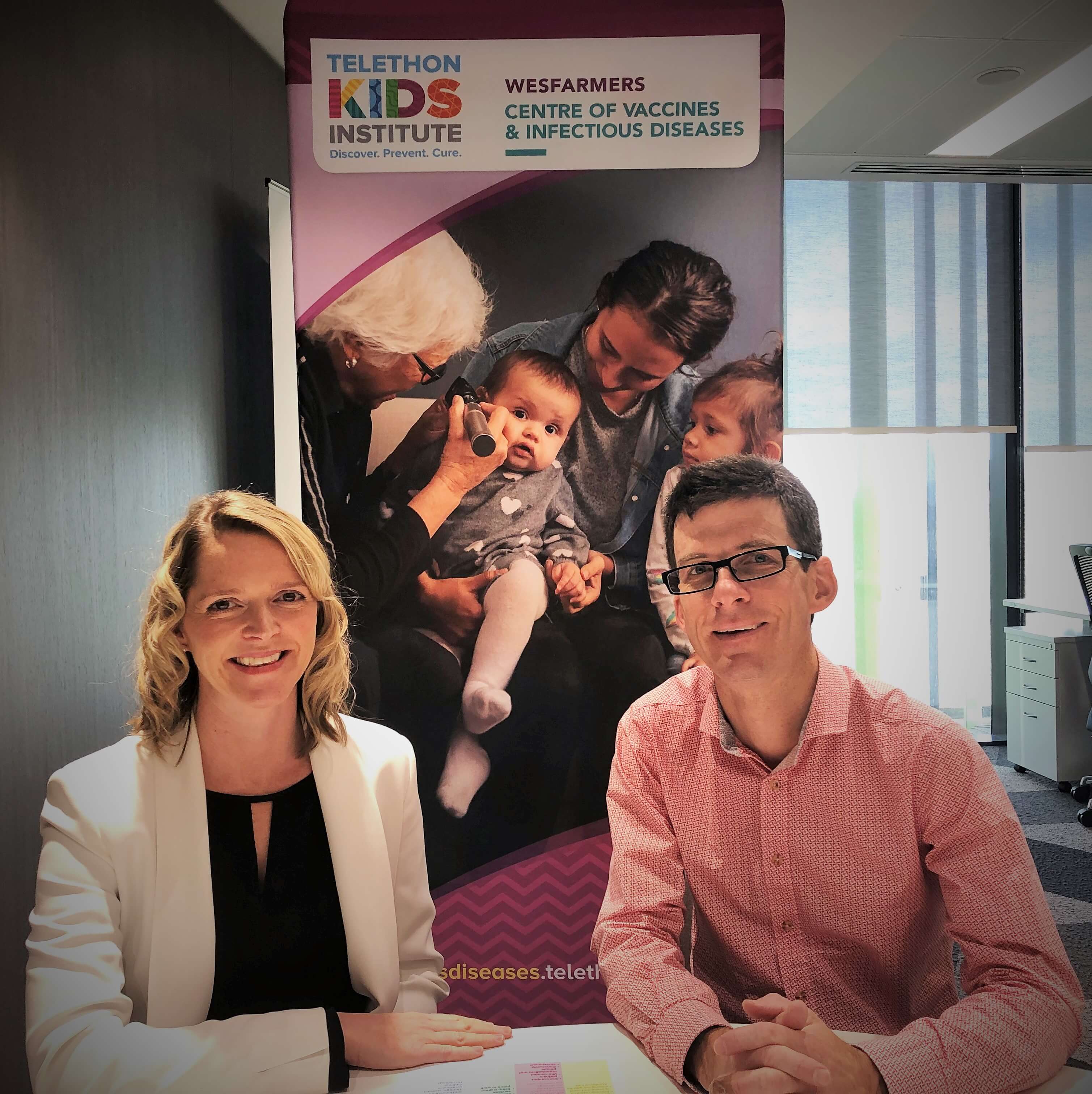
Dr Lea-Ann Kirkham and Dr Chris Blyth have been appointed as Co-Directors
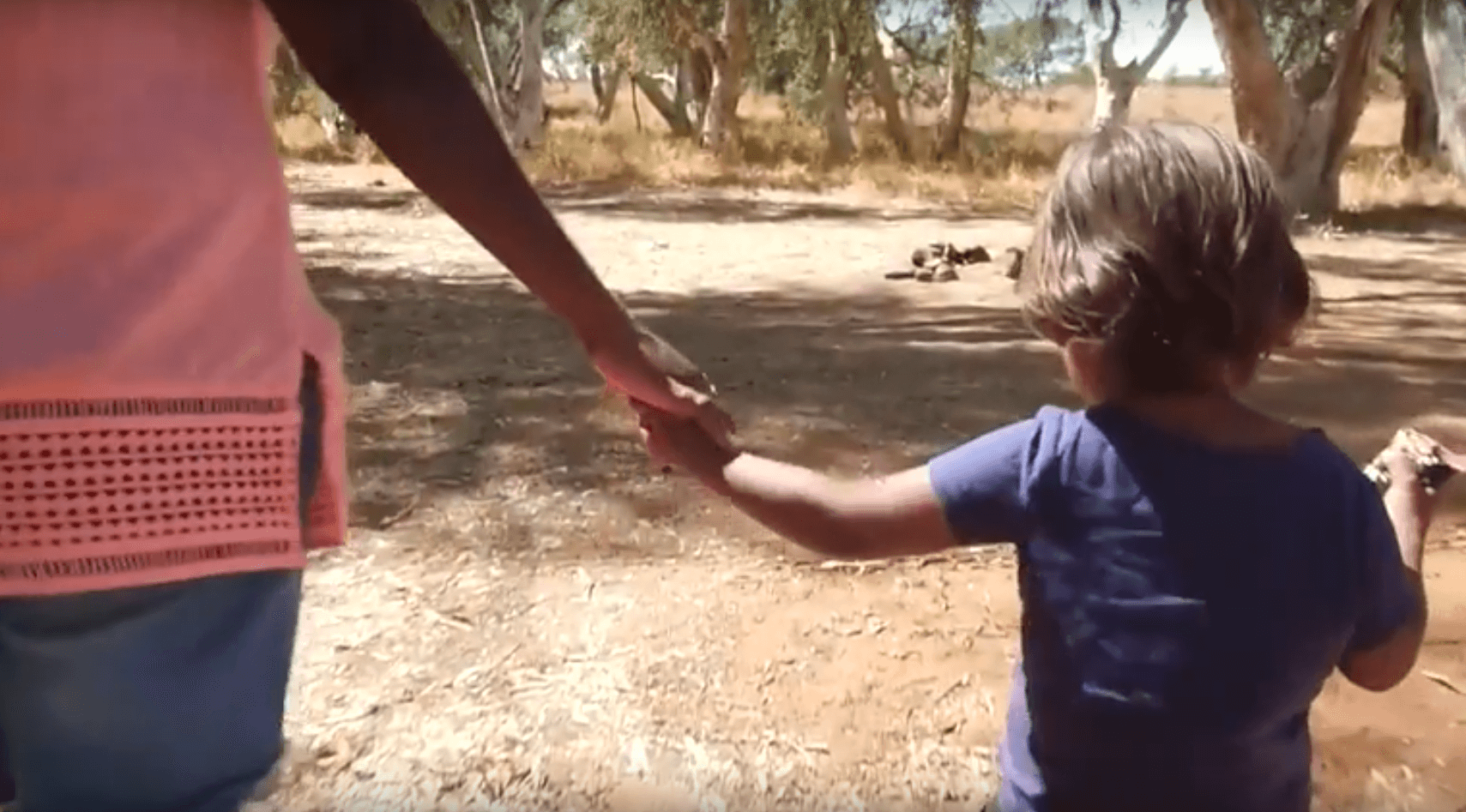
Aboriginal mum and child
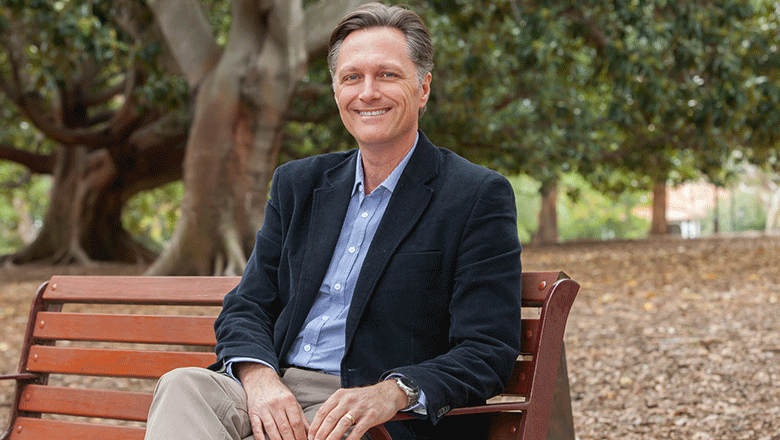
The Kids Director Professor Jonathan Carapetis sat down with Tim McMillan on 6PR's Inspiring Stories to share how he became one of Australia's leading child health experts.
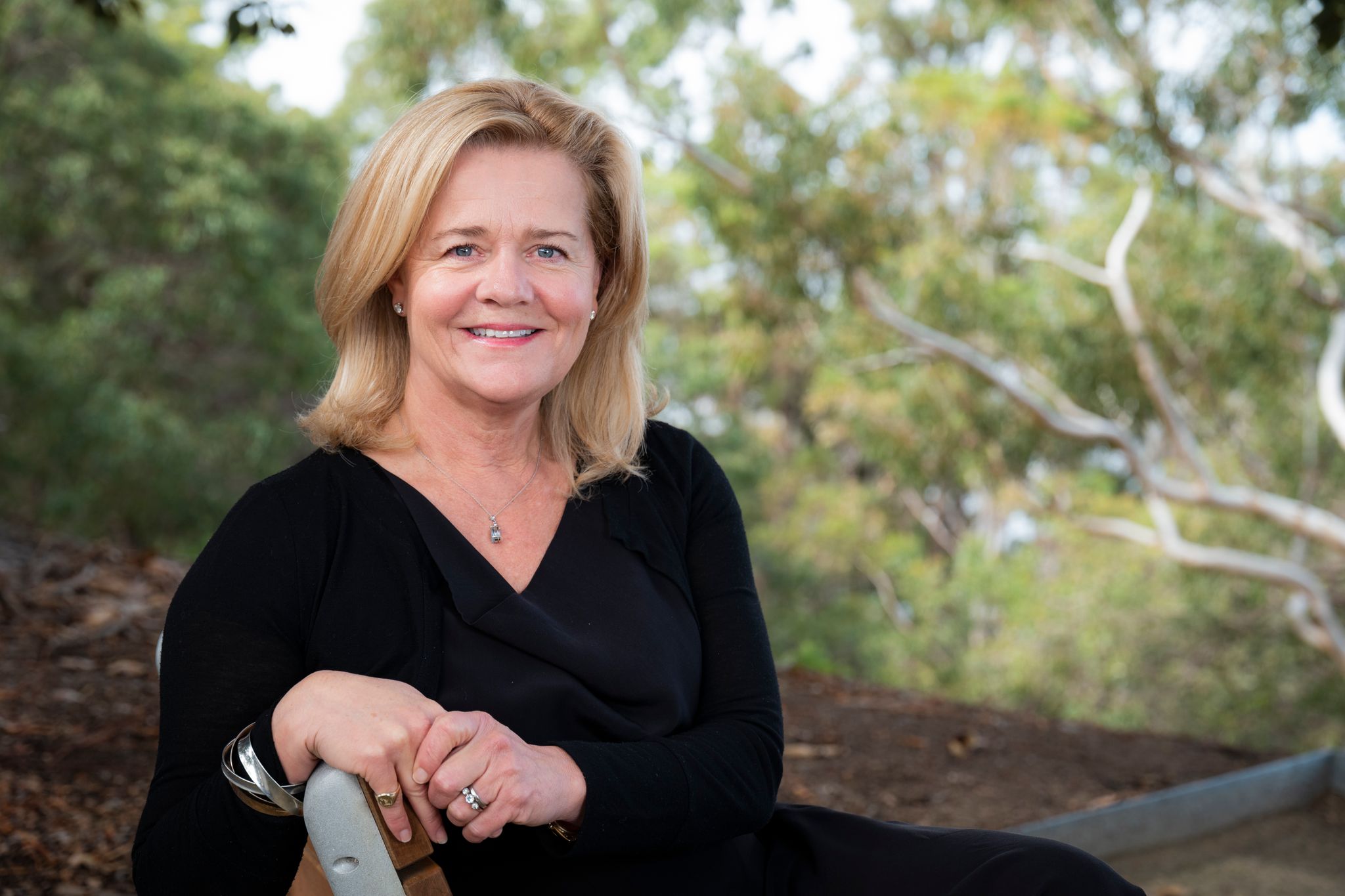
Philanthropist and early childhood advocate Nicola Forrest has been recognised for her tirelesss commitment to the sector through being awarded an Officer of the Order of Australia.
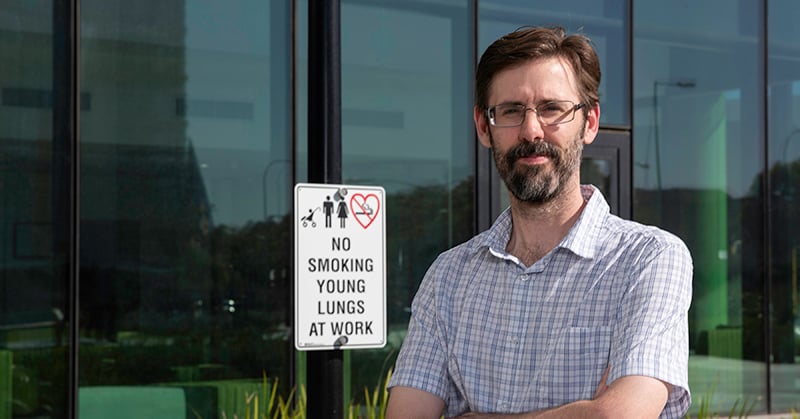
Women who are pregnant or who think they could be have been urged to avoid using e-cigarettes, due to lack of evidence about their safety.
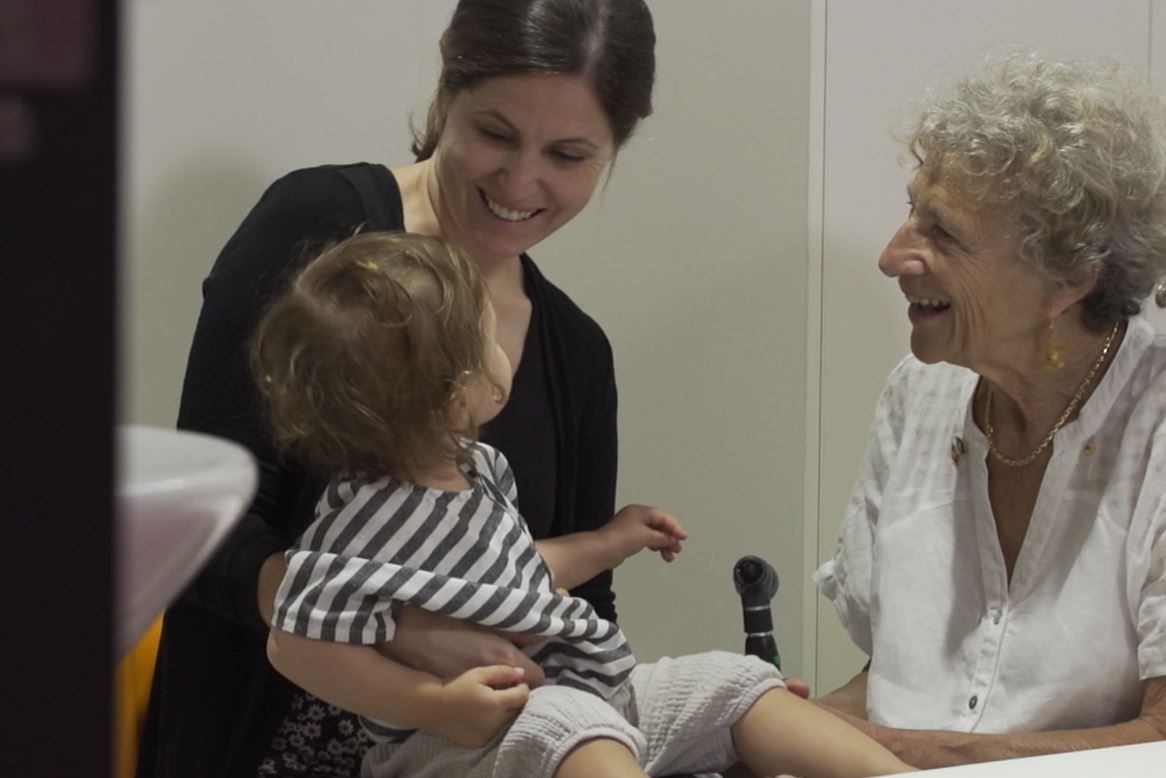
Leading infectious diseases researcher, Clinical Associate Professor Deborah Lehmann AO, has been named a finalist for the Australian Museum Eureka Prizes for her work training and mentoring a new generation of researchers.
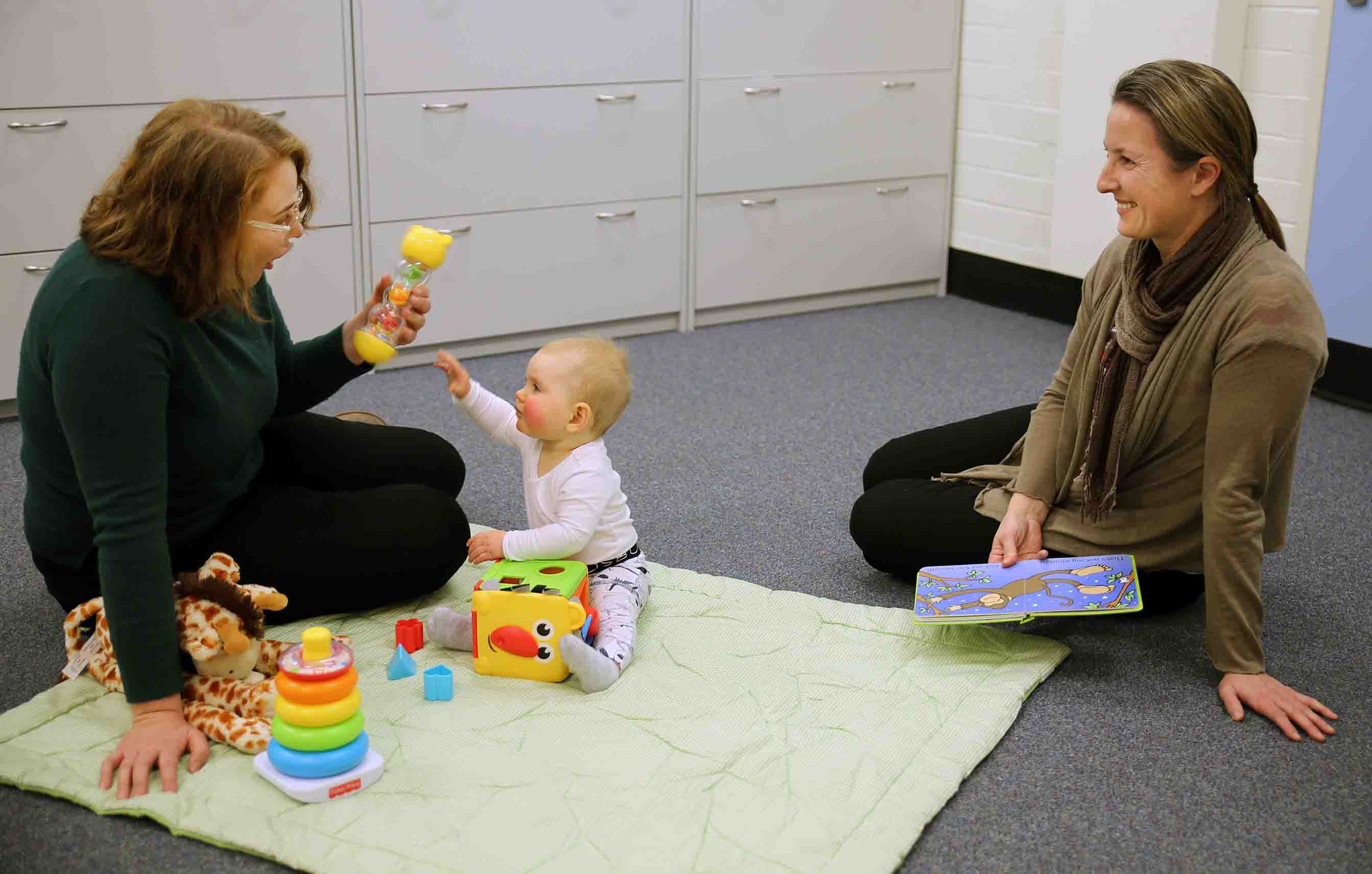
The first rigorous trial of a pre-emptive behavioural intervention for babies showing early signs of autism has found the therapy can improve early language development.
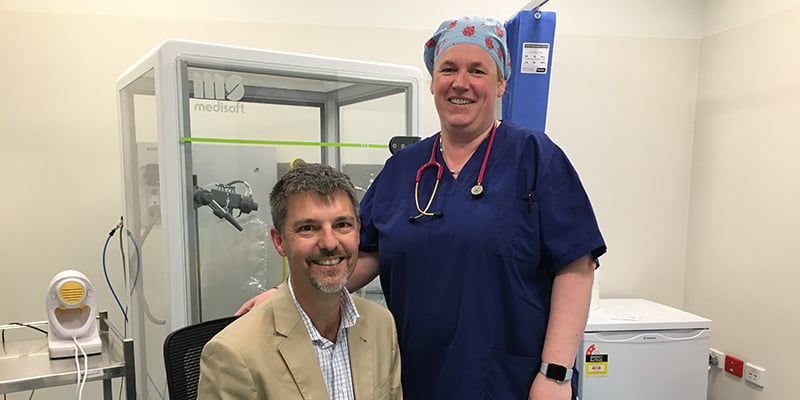
A Perth study has shown that over-the-counter asthma medication before surgery can reduce respiratory complications during and after tonsillectomy surgery.
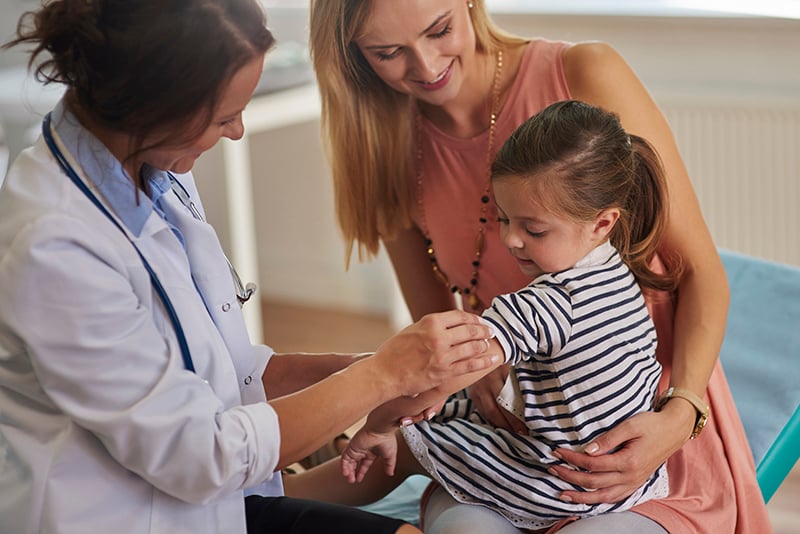
News headlines about the large number of life-threatening cases of the flu in Western Australia this winter have been hard to miss - find out what you can do to protect your family.
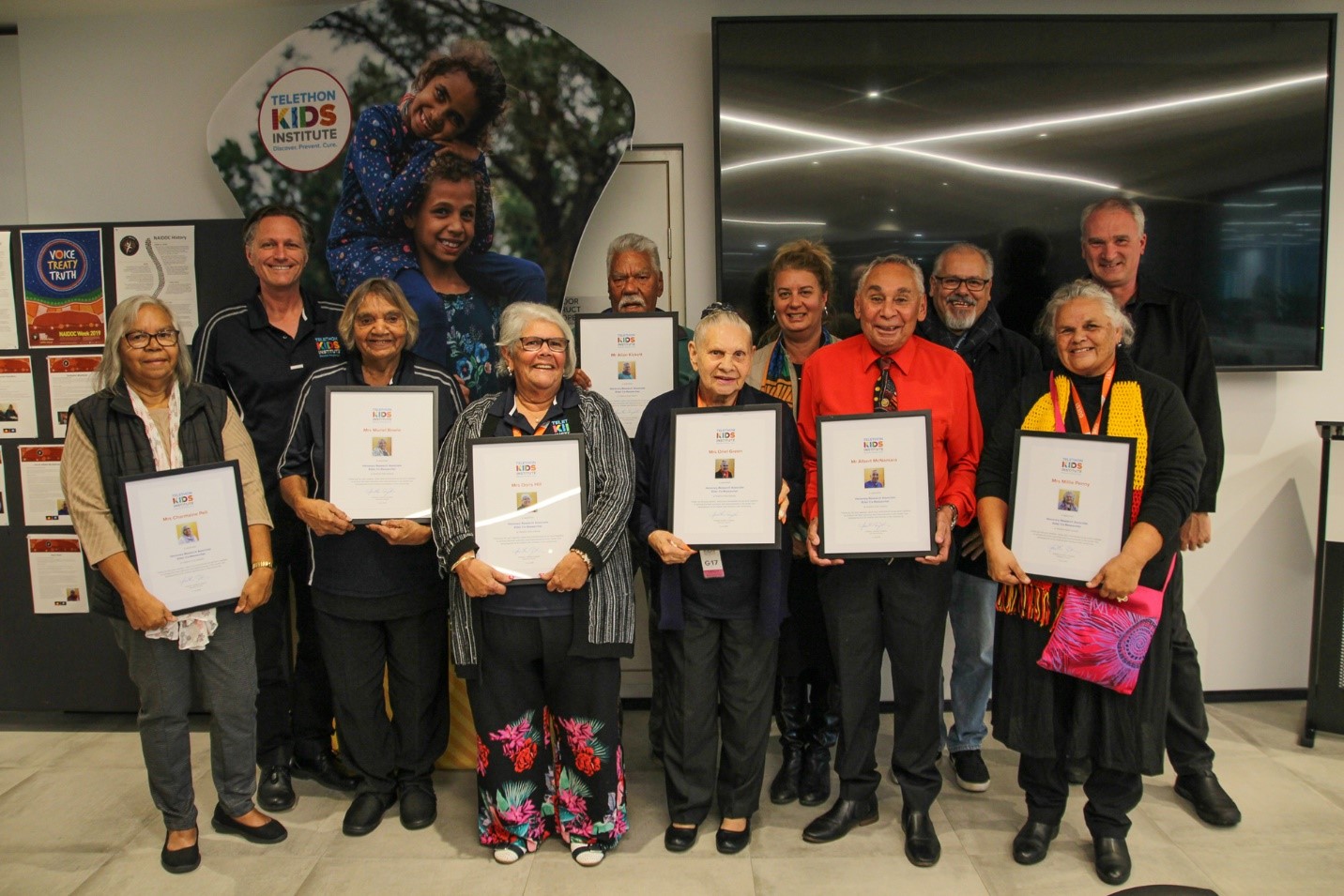
Executive Director Jonathan Carapetis said he was honoured to be able to work with the Elders in creating a bridge between the Institute’s research and the lives of Aboriginal children and families.