
Search
Showing results for "Childhood interstitial lung disease "
ORIGINS is celebrating a substantial funding increase for its world-class research into child and family health and wellbeing.
By mutual agreement with the Channel 7 Telethon Trust (Telethon), The Kids Research Institute Australia and Telethon Speech and Hearing will both rebrand in 2024.
This opinion article was originally published in the West Australian on July 20, 2023.
Youth mental health researcher named joint winner of the Shell Aboriginal STEM Student of the Year category at the 2022 Western Australian Premier’s Science Awards.
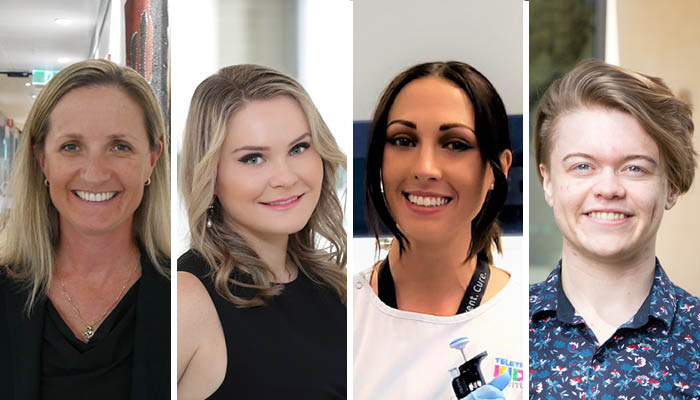
Four The Kids Research Institute Australia researchers from a diverse range of fields have been named as finalists for the prestigious 2022 Premier’s Science Awards.
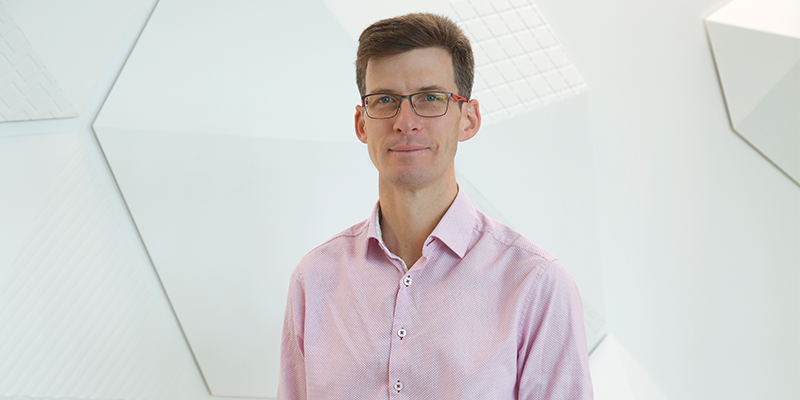
A The Kids researcher focused on ensuring kids are protected from infectious diseases will be named among WA’s most outstanding young scientists at the upcoming 2021 Young Tall Poppy Science Awards.

Energy drinks have been linked to adverse health effects in children.
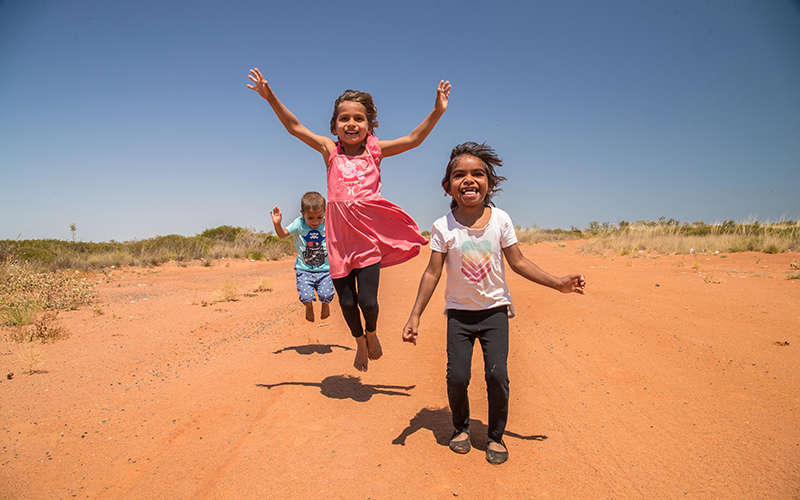
BHP has announced a $20 million commitment to Telethon over the next five years to fund a world-first research partnership with Aboriginal families in the Pilbara and Perth.
The Luminos Project has been co-designed with global experts in youth suicide support, mental health services, and research, alongside input from young people with lived experience, ensuring it meets their needs effectively.
The aim of this project is to evaluate the efficacy of childcare centre based interventions to increase young children’s physical activity.