
Search
Showing results for "mental health aboriginal"
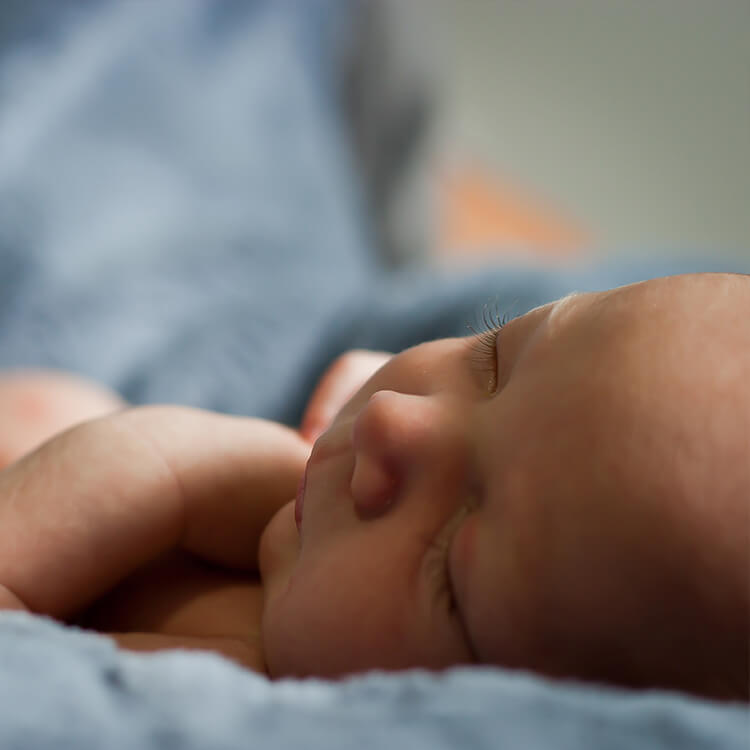
Perth researchers who were involved in an international study which examined two different techniques used to intubate newborns and young babies during surgery expect the findings to lead to a change in global practice.

When Samuel and James Considine were born in October 2003, perilously close to what the medical world describes as the limit of viability, each weighed just 700 grams and could fit into the palm of their father’s hand.
The Australian Early Development Index (AEDI) program is conducted by the Centre for Community Child Health
The COVID-19 pandemic drove the implementation of vaccine mandates to protect spaces and/or increase vaccine uptake, though their design, timing, and scope varied across jurisdictions. This study examines the associations of vaccine mandate announcements and removals with COVID-19 vaccine uptake in France, Italy, and California (USA).
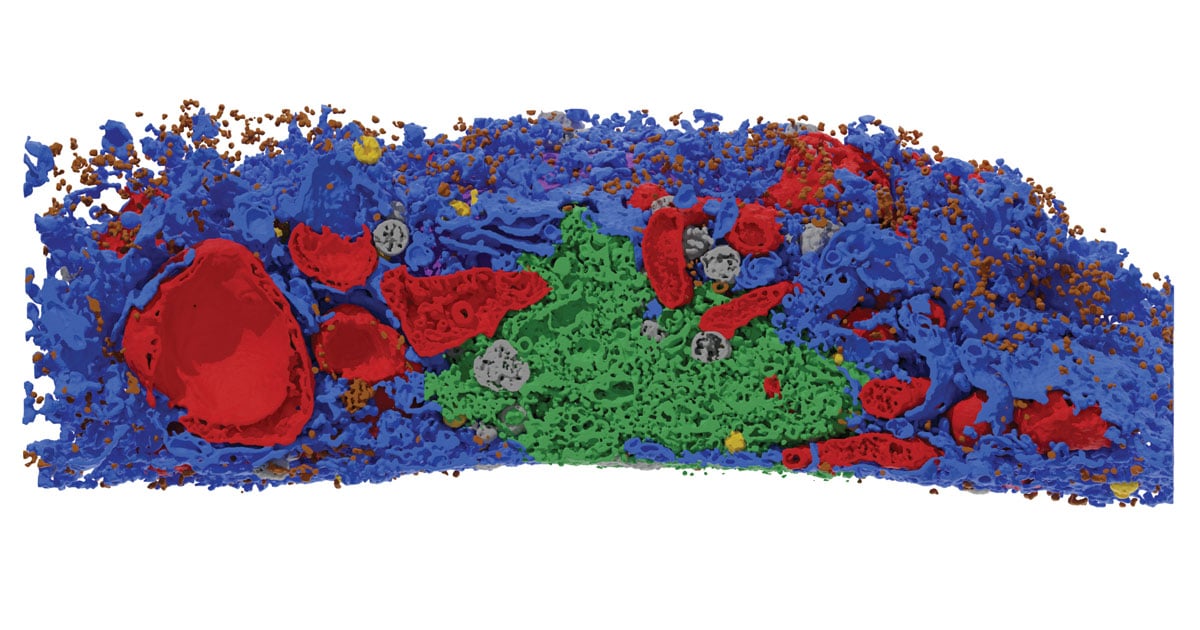
Researchers from The Kids Research Institute Australia and The University of Western Australia have developed a new technique to see inside cells with unprecedented detail, revealing a complicated web of interactions that provides new insights into how cells stay healthy.
Acute rheumatic fever (ARF), an autoimmune reaction to Group A Streptococcus (Streptococcus pyogenes; Strep A) infection, can cause rheumatic heart disease (RHD). New formulations of long-acting penicillins are being developed for secondary prophylaxis of ARF and RHD.
Belaynew Christopher Peter Hannah Minda Huong Taye Blyth Richmond Moore Sarna Le MD, MPH, PhD MBBS (Hons) DCH FRACP FRCPA PhD MBBS MRCP(UK) FRACP OAM

Find out how to access services at CliniKids.
Patients with congenital heart disease (CHD) are identified in 1% of live births. Improved surgical intervention means many patients now survive to adulthood, the corollary of which is increased mortality in the over-65-year-old congenital heart disease population. In the clinic, genetic sequencing increasingly identifies novel genetic variants in genes related to CHD.
Over 400 million people worldwide are living with a rare disease. Next Generation Sequencing identifies potential disease causative genetic variants. However, many are identified as variants of uncertain significance and require functional laboratory validation to determine pathogenicity, and this creates major diagnostic delays.