
Search
Showing results for "Childhood interstitial lung disease "
Fathers play a critical role in children’s development, yet remain under-represented in research and associated policy outcomes, leaving critical gaps in our understanding of the role and long-term impact of father involvement.
This project aimed to explore the views of Western Australian parents of children aged 3-17 years about children’s exposure to alcohol stimuli in community settings in WA.
Keely Amy Tim Bebbington Finlay-Jones Jones MClinPsych/PhD BPsych(Hons), MPsych(Clinical), MHealthEcon, PhD (Clin Psych) MBBS DCH FRACP MD McCusker
This project aims to explore how Australian children spend their time over an extended and important period of their lives (from birth to 16/17 years old) and how such time allocation contributes to their development outcomes.
David Melissa Rebecca Ansell O'Donnell Glauert DipTeach BEd PGD H Science MPhil MPA BPsych (Hons), MPsych, GradDip Ed, PhD BPsych (Hons) PhD Honorary
High consumption of refined carbohydrate, in particular sugar, has been identified as a possible contributory factor in greater risk of excess weight gain.
There are strong socioeconomic and psychosocial gradients in both current smoking and smoking cessation.
Brain tumors presenting in infancy, especially during the first 6 months of life.

Making FASD History inspires the rest of the world to follow suit.
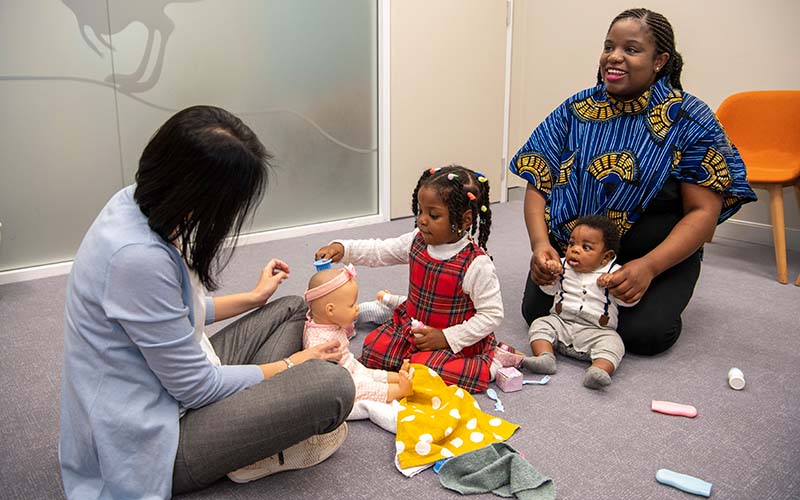
The Kids' autism research takes place at CliniKids, a centre that integrates world-class research with a clinical service for children with developmental delay and/or autism and their families.