
Search
Showing results for "mental health aboriginal"
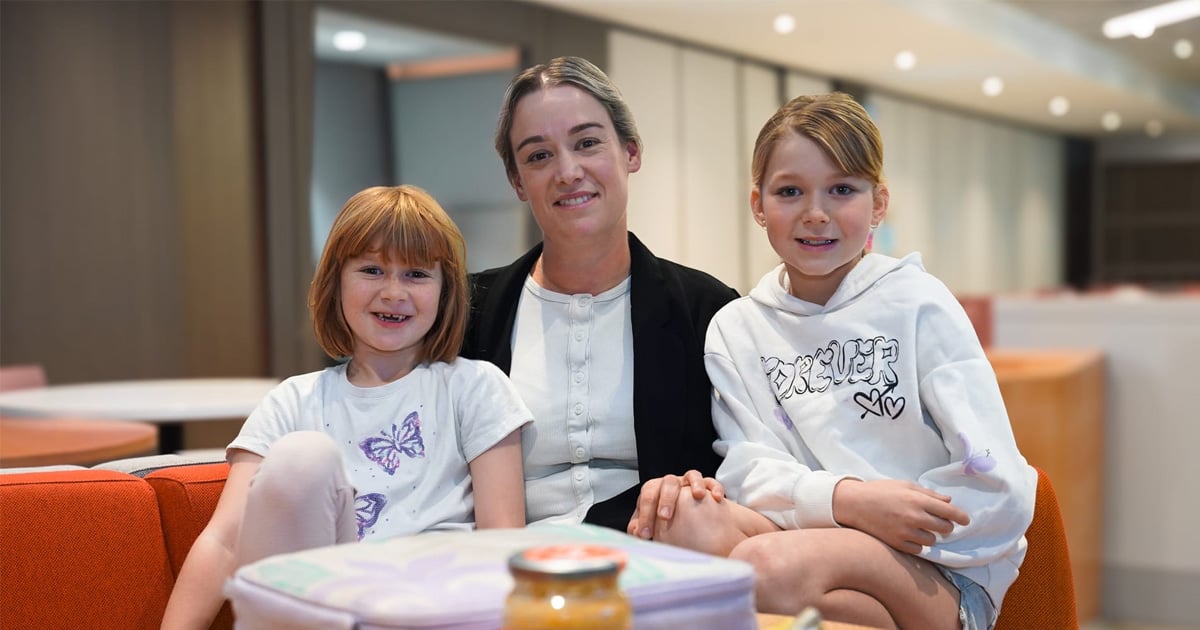
Families who introduce peanut butter and eggs to their baby’s diet at around six months of age can significantly reduce the chances of them developing a life-threatening allergy, according to a new study published in the Journal of Allergy and Clinical Immunology – In Practice.
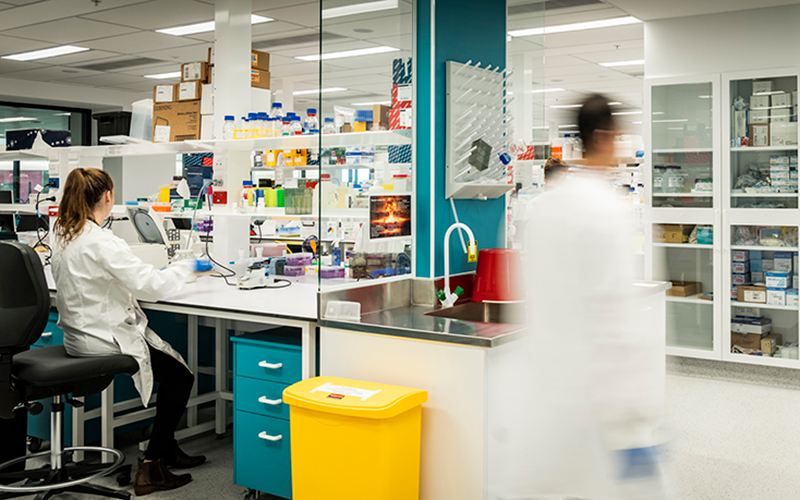
The Kids Research Institute Australia researchers will share in $2.3 million awarded by the Western Australian Department of Health Innovation Seed Fund.
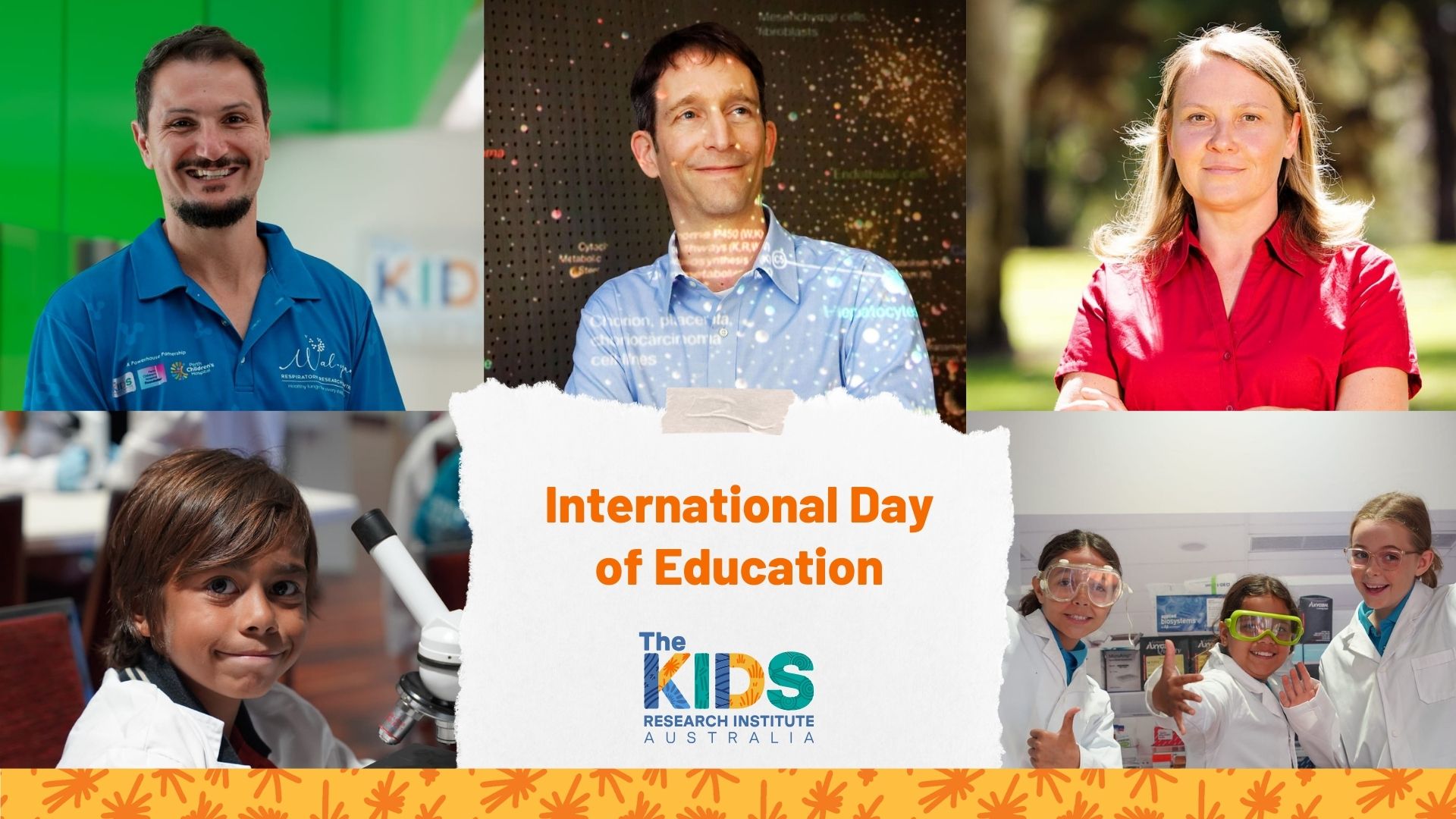
Today, 24 January 2025, is International Day of Education, a global celebration of the power of learning to transform lives. This year’s theme, “AI and Education: Preserving Human Agency in an Automated World”, underscores the critical role of education in preparing kids for a future increasingly shaped by AI.
Publications from 2017 dating back to 2004 of CDKL5 researchers.

We know many autistic children may be more sensitive to transitions so may need some extra supports at this time.
Rishi S. Kotecha MB ChB (Hons) MRCPCH FRACP PhD Co-Head, Leukaemia Translational Research rishi.kotecha@health.wa.gov.au Co-Head, Leukaemia
Data on Rift Valley fever virus (RVFV) prevalence in urban settings and pastoral areas of Tanzania are scarce. We performed a cross-sectional study of RVFV seroprevalence and determinants in humans and animals from Ilala, Rufiji, and Sengerema districts of Tanzania.
Providing a safe and effective coronavirus disease 2019 (COVID‐19) vaccination program is required to mitigate against the current and future negative impacts on the health and wellbeing of all Australians from COVID‐19. An effective vaccination program is a key element required to facilitate economic recovery, safe movement throughout and beyond Australia and a return to the quality of life previously experienced.
The proportion of births via cesarean section (CS) varies worldwide and in many countries exceeds WHO-recommended rates. Long-term health outcomes for children born by CS are poorly understood, but limited data suggest that CS is associated with increased infection-related hospitalisation. We investigated the relationship between mode of birth and childhood infection-related hospitalisation in high-income countries with varying CS rates.
There was widespread agreement of the need for more information and training about FASD to optimise outcomes for people with FASD engaging with justice system