
Search
Showing results for "Childhood interstitial lung disease "
Environmental exposure to phthalates and bisphenol A (BPA), chemicals used in the production of plastics, may increase risk for asthma and allergies. However, little is known about the long-term effects of early life exposure to these compounds.
This paper is an introduction to a series of articles about improved measurement of lung function in patients with chronic lung disease.

Lung Clearance Index and Structural Lung Disease on Computed Tomography in Early Cystic Fibrosis Abstract Rationale: The lung clearance index is a
Kawasaki disease is characterized by increased inflammation
Investigating the incidence of childhood Type 2 Diabetes in the Western Australian community
Recently, an established "small macrophage" phenotype has been observed in the sputum of patients with CF and COPD. However, little is known about the...
Research priority setting activities in paediatric chronic disease cover many discipline areas and have elicited a broad range of topics
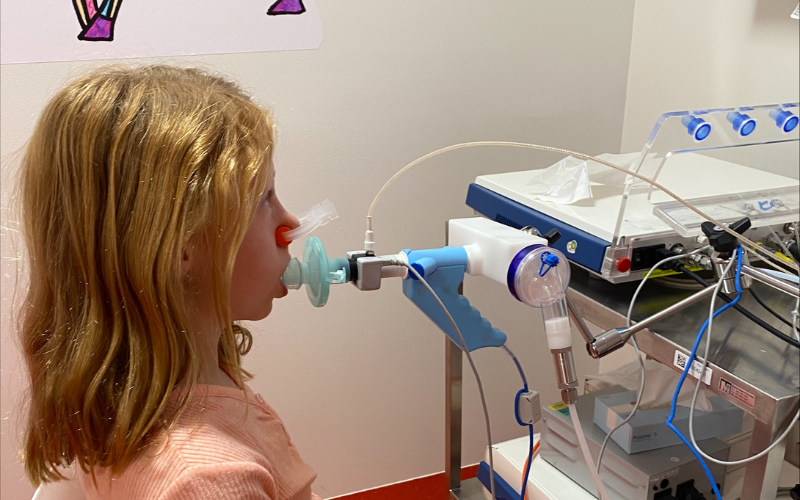
A new research project – the WA Paediatric Bronchiectasis Cohort Study – officially commenced this month with the aim of looking at children with bronchiectasis in Western Australia, like nine-year-old Holly (pictured), to better understand how this disease develops during childhood.
An improved understanding of the roles of protein kinases in intracellular signalling and disease progression has driven significant advances in protein...
This prospective, longitudinal cohort study will examine airway sputum, lung function, and clinical surveillance data of children with bronchiectasis attending Perth Children’s Hospital.