
Search
Showing results for "autism"
The newly created role of Clinical Services Manager will lay the groundwork for an exciting new early intervention centre for kids showing early signs of autism
Motor features of autism have long been acknowledged by clinicians, researchers, and community stakeholders. Current DSM-5 and ICD-11 guidelines allow clinicians to assign a co-occurring diagnosis of developmental [motor] coordination disorder for autistic individuals with significant motor problems.
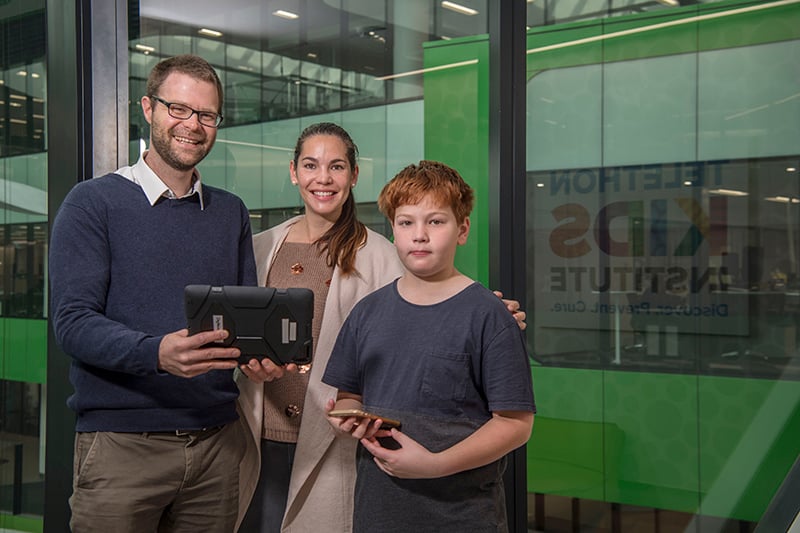
Professor Andrew Whitehouse and the Autism team at The Kids are working with Joondalup Health Campus as part of ORIGINS to gain greater insight into how the brain develops in children who have difficulties with language.
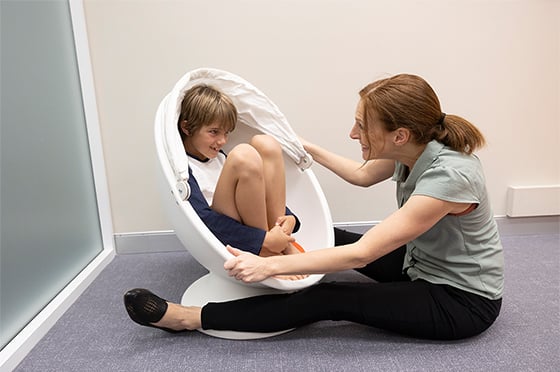
In this blog, Speech Pathology Lead Aria May explores how to talk to your child about a recent autism diagnosis.
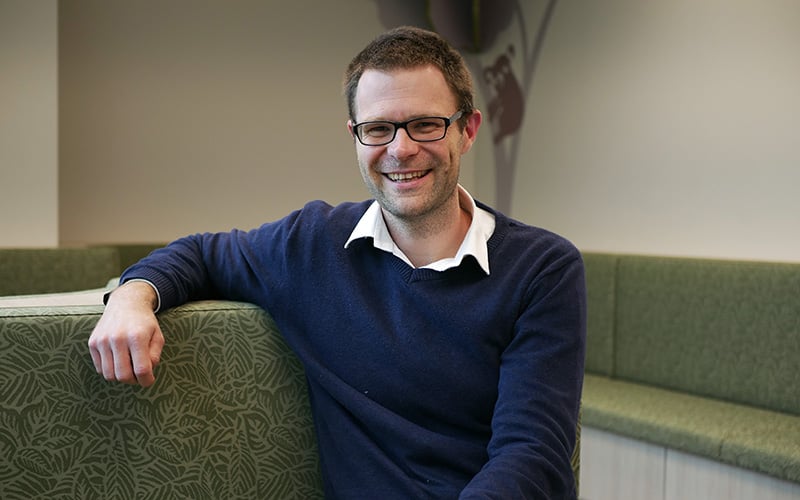
Professor Andrew Whitehouse has been inducted as the youngest-ever Fellow to the Australian Academy of Health and Medical Sciences.
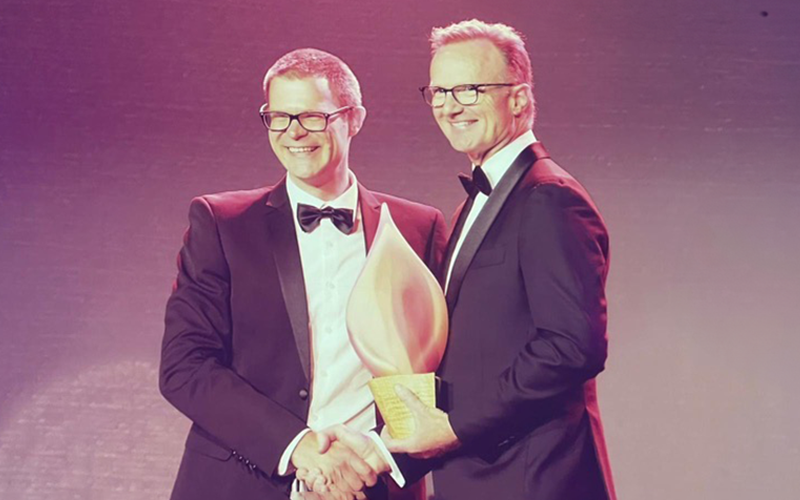
Autism researcher Professor Andrew Whitehouse has been named this year’s Western Australian of the Year in the HBF Professions category.
Birth order effects have been linked to variability in intelligence, educational attainment and sexual orientation. First- and later-born children have been linked to an increased likelihood of an Autism Spectrum Disorder (ASD) diagnosis, with a smaller body of evidence implicating decreases in cognitive functioning with increased birth order. The present study investigated the potential association between birth order and ASD diagnostic phenotypes in a large and representative population sample.
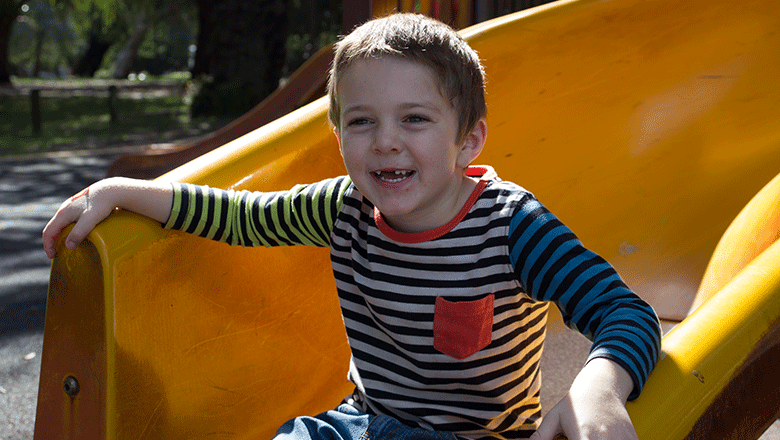
The Kids Research Institute Australia research has shown nearly 50 per cent of children with autism have tried fish oil supplements, but does it actually improve symptoms?
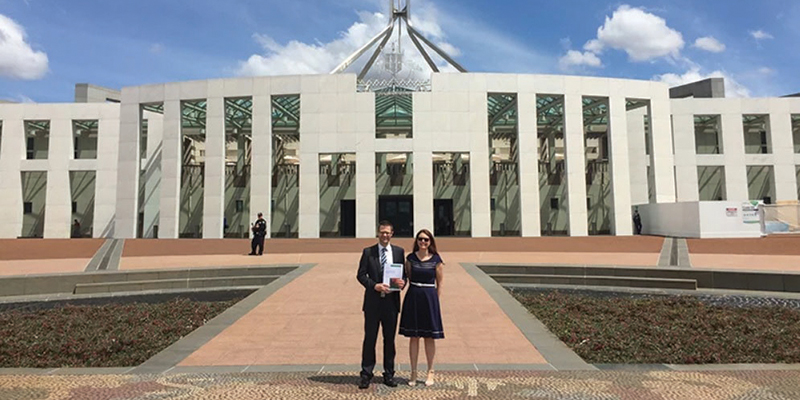
In October 2018, the Autism CRC released A National Guideline for the Assessment and Diagnosis of Autism Spectrum Disorders in Australia.
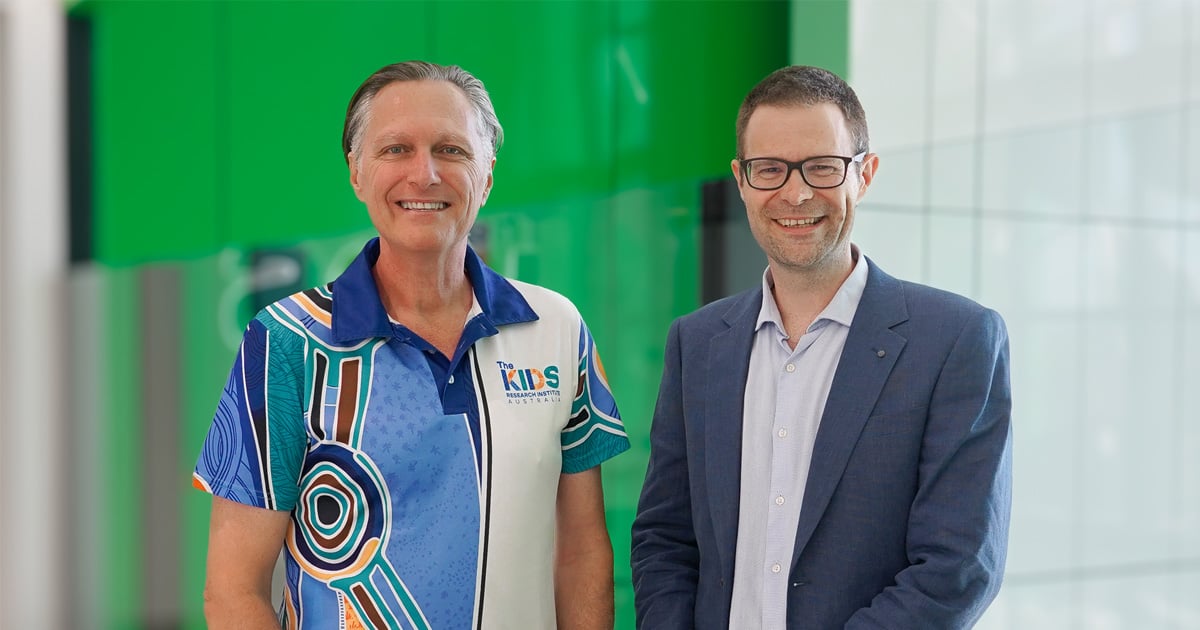
Professor Andrew Whitehouse, the Angela Wright Bennett Professor of Autism Research and CliniKids Director, has been appointed Deputy Director (Research) at The Kids Research Institute Australia.