
Search
Young adults who are lesbian, gay, bisexual, trans, queer or questioning, intersex, asexual and other diverse genders and sexualities (LGBTQIA+) are more likely to experience mental health difficulties and are at significantly elevated risk of substance abuse, self-harm and suicide, relative to their heterosexual, endosex and cisgender peers. There is a need for effective mental health interventions for LGBTQIA+ young adults. Mindful Self-Compassion training is a promising approach; among LGBTQIA+ individuals, self-compassion accounts for more variation in mental health outcomes than bullying, victimization, and adverse childhood experiences combined. Furthermore, LGBTQIA+ individuals with high self-compassion report more positive identity and happiness, less self-stigma, and lower suicidality than those with low self-compassion.

Research Fellow in Youth Suicide Prevention

A remarkable Institute leader will join a cohort of 25 STEM-qualified women to take part in the prestigious 2024 Women in Leadership Development (WILD) program.

Youth mental health researcher Penelope Strauss has been named an AMP Tomorrow Maker – the first researcher from The Kids Research Institute Australia to win one of the annual AMP Foundation grants.
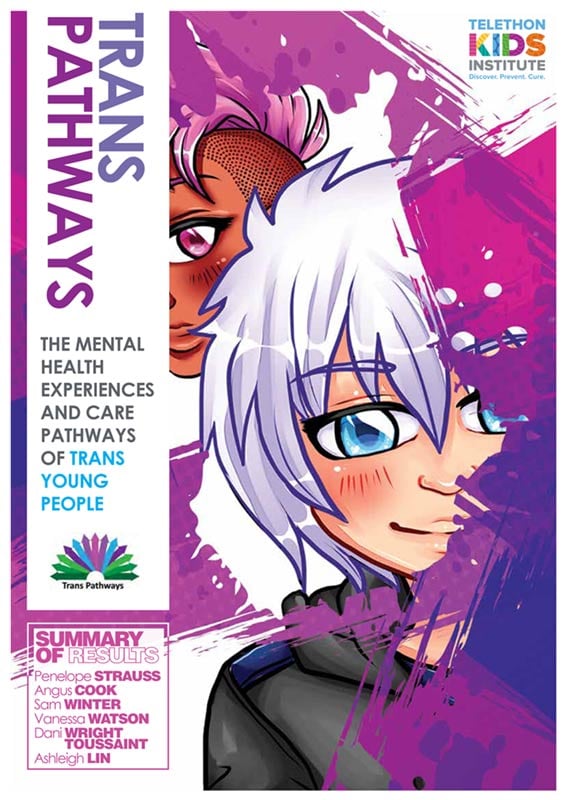
Trans Pathways is the largest ever survey conducted into the mental health of trans young people in Australia.

We have launched a national survey to investigate how we can better support young people who don't identify as the gender they were assigned at birth.
To determine whether children who have child maltreatment allegation or substantiation have a higher rate of general hospital admissions and injury related admi
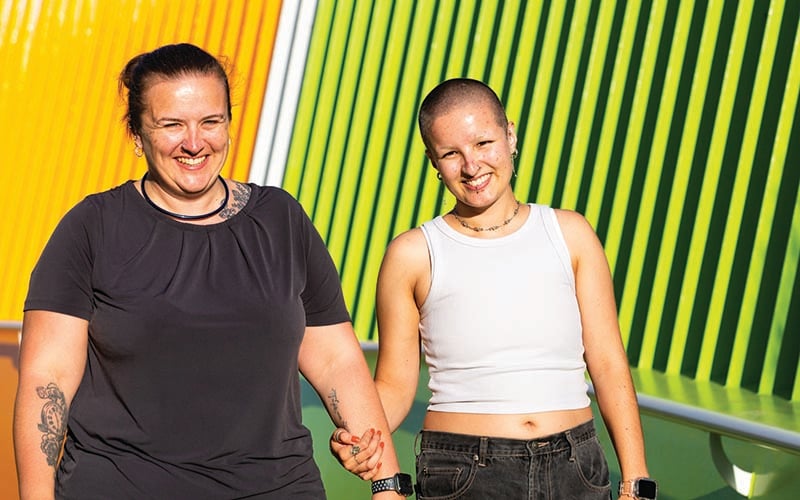
A new website for parents of trans children and young people across Australia is expected to improve family wellbeing and ultimately save lives after launching in May 2023.
Conversion practices (sometimes referred to as 'conversion therapy') refer to interventions that aim to change a person's sexual orientation or gender identity. While these are often associated with faith-based settings, they can also occur in secular healthcare contexts. The practices are associated with significant psychological harm.
This study aimed to examine the difference in levels of psychological wellbeing outcomes of binary and non-binary transgender and cisgender students aged 8–18 years in South Australia using population-level data.