
Search
Showing results for "early lung health"
Seasonal malaria chemoprevention (SMC) with sulfadoxine-pyrimethamine plus amodiaquine prevents millions of clinical malaria cases in children younger than 5 years in Africa's Sahel region. However, Plasmodium falciparum parasites partially resistant to sulfadoxine-pyrimethamine (with quintuple mutations) potentially threaten the protective effectiveness of SMC. We evaluated the spread of quintuple-mutant parasites and the clinical consequences.
In recent decades, field and semi-field studies of malaria transmission have gathered geographic-specific information about mosquito ecology, behaviour and their sensitivity to interventions. Mathematical models of malaria transmission can incorporate such data to infer the likely impact of vector control interventions and hence guide malaria control strategies in various geographies.
Despite substantial declines since 2000, lower respiratory infections (LRIs), diarrhoeal diseases, and malaria remain among the leading causes of nonfatal and fatal disease burden for children under 5 years of age (under 5), primarily in sub-Saharan Africa.
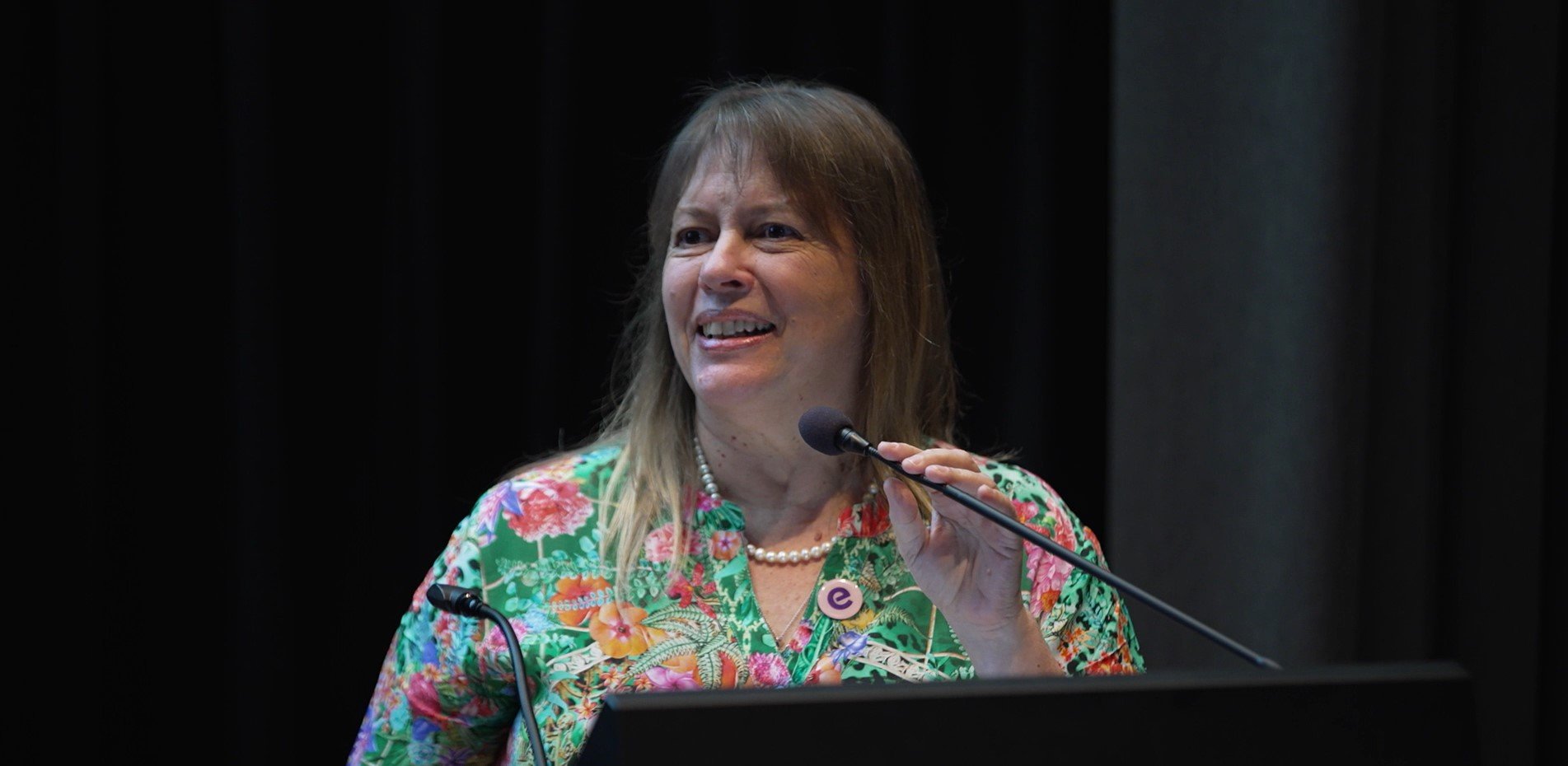
Professor Helen Milroy, Embrace's Co-Director, gave the keynote speech at the November event.
To achieve targets set within the 2030 Sustainable Development Agenda and the 2021–2030 Neglected Tropical Diseases (NTD) Roadmap, the World Health Organization identify the need for improved data analytics to inform NTD control programs.
Malaria remains a leading cause of morbidity and mortality and is responsible for over 0.5 million annual deaths globally. During the first two decades of this century, scale-up of a range of tools was associated with significant reductions in malaria mortality in the primary risk group, young African children.
You are invited to register to attend the National Indigenous Immunisation Research Workshop 2013: lessons learnt and future directions Workshop.
Listen Up - Urgent action needed to reduce ear infections
High rates of recurrent infection are a major risk to the health of Aboriginal children and are comparable to those of third world countries.
The project represents an innovative collaboration between researchers, primarily based at The Kids Research Institute Australia, and 10 government jurisdictions in WA.