
Search
Showing results for "mental health aboriginal"
The Guideline aims to create greater consistency in diagnostic practices across the country to ensure individuals on the autism spectrum can receive the optimal care
Leaders from the Canadian Society for Exercise Physiology convened national representatives to create the C24 movement for Children and Youth.
Intramuscular injection of a large bolus of Vitamin D effectively increases serum 25-hydroxyVitamin D levels without evidence of metabolic abnormality.
Influenza vaccination during pregnancy was associated with significantly fewer hospital attendances for ARI in pregnant women
We report a term male with congenital acute erythroleukemia who achieved sustained remission with low-dose cytosine arabinoside alone
We develop a compartmental model for RSV infection, driven by a seasonal forcing function, and conduct parameter space and bifurcation analyses to document...
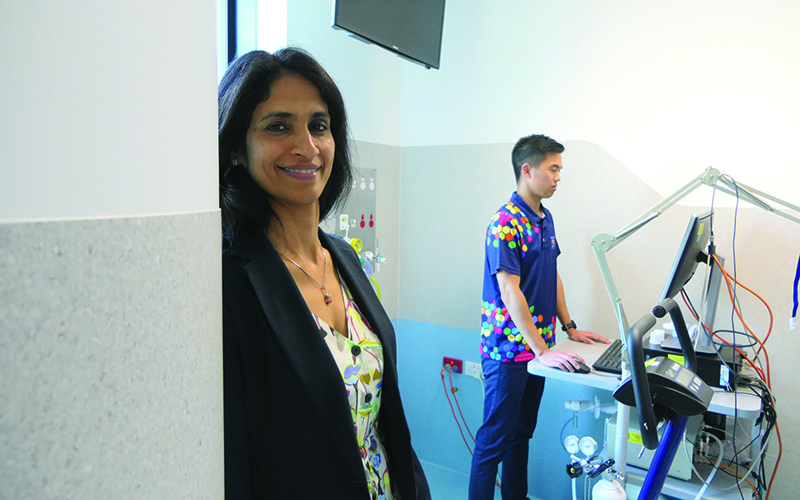
A ground-breaking new app developed by The Kids researchers may soon make exercising safer for young people with type 1 diabetes.
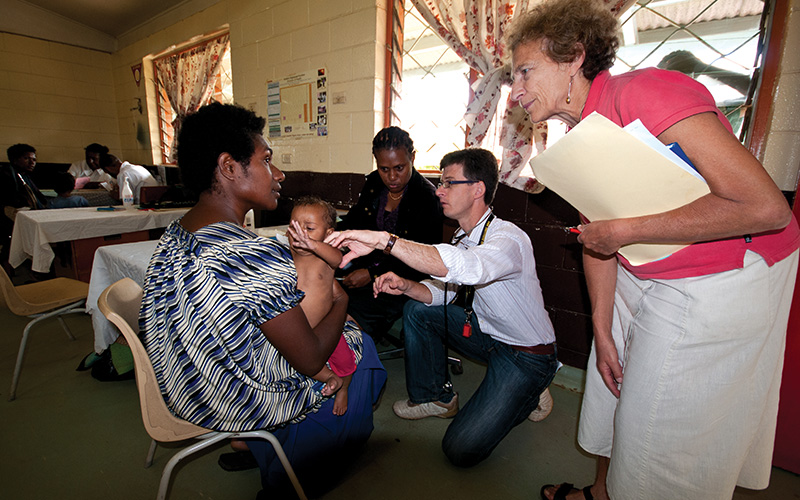
New research has revealed the extraordinary impact of a collaborative project between The Kids Research Institute Australia and the Papua New Guinea Institute of Medical Research, with rates of hospitalisation for pneumonia dropping by nearly 60 per cent thanks to the introduction of the pneumococcal vaccine
A legal change fought for by The Kids, consumer advocates, and others within the health sector – and hastened by the COVID-19 crisis – has brought WA into line with the rest of Australia, allowing critically ill or incapacitated patients access to potentially life-saving clinical trials.
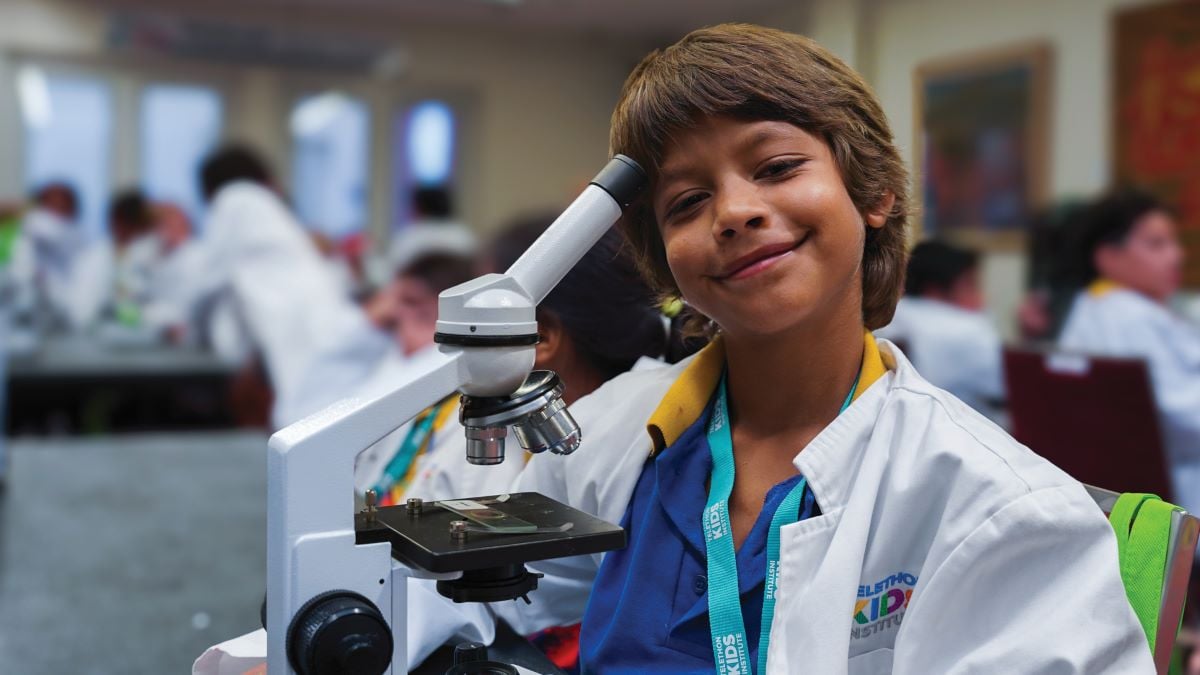
The Kids Research Institute Australia will return to the Kimberley in May for the Broome STEM Festival, promising two fun-filled days of hands-on science activities for local families to experience.