
Search
Showing results for "early lung health"
The aim of this study was to identify health professionals' perceptions about screening for fetal alcohol spectrum disorders (FASD) in Australia.
Access to healthcare is a requirement for human well-being that is constrained, in part, by the allocation of healthcare resources relative to the geographically dispersed human population. Quantifying access to care globally is challenging due to the absence of a comprehensive database of healthcare facilities. We harness major data collection efforts underway by OpenStreetMap, Google Maps and academic researchers to compile the most complete collection of facility locations to date.
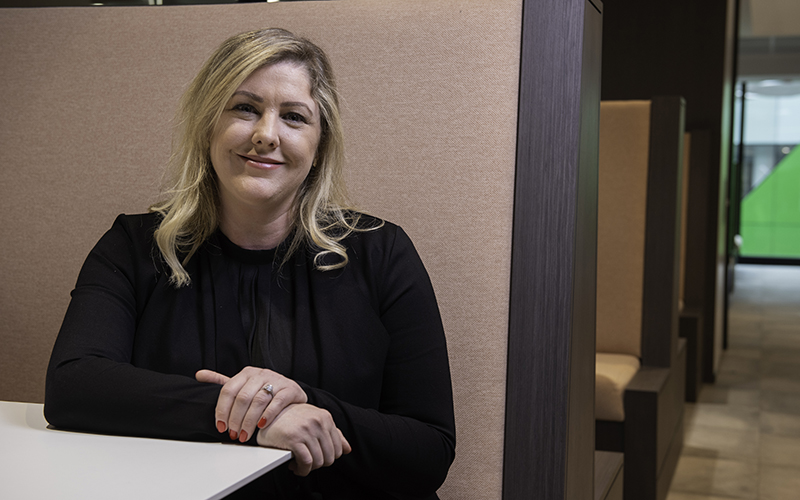
Congratulations to Associate Professor Rebecca Glauert, Head of the Developmental Pathways and Social Policy Team at The Kids Research Institute Australia and an internationally recognised expert in data linkage.

A major review by WA researchers has found medication used to suppress puberty can improve the mental health of young people who are trans or gender diverse.
The first Capacity Building Grant comprising solely of Indigenous researchers has been completed successfully
Stroke risk and cardiovascular mortality are markedly higher for Aboriginal than non-Aboriginal patients with atrial fibrillation, particularly for patients under 60
Indigenous patients are substantially underrepresented in care by services participating in the nationwide specialist palliative care Collaboration, likely reflecting widespread access barriers.
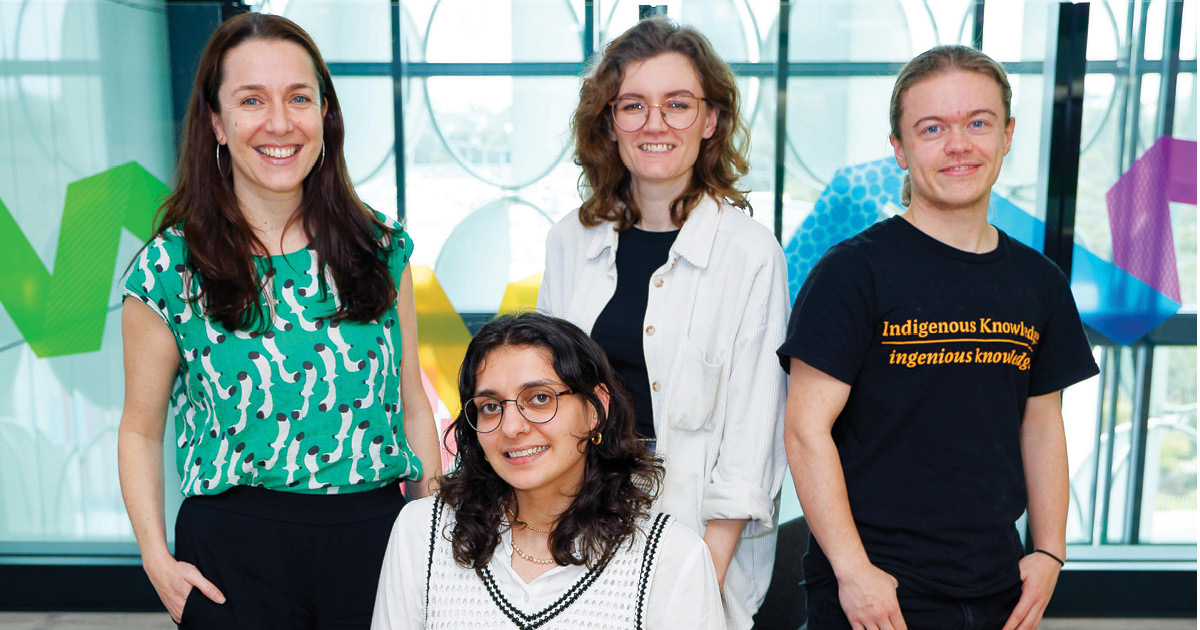
Alarming statistics laying bare the social emotional wellbeing and mental health challenges facing Aboriginal and Torres Strait Islander LGBTQA+ youth are driving a multi-partner program to provide them with greater support.
In the austral summer of 2021-2022, Australia experienced an unprecedented Japanese encephalitis virus (JEV) outbreak, with detections over 3000 km south of previous occurrences. Given the limited knowledge of JEV transmission ecology in Australia, we developed geospatial models of transmission risk to support the public health response. We created time-varying habitat suitability models for suspected mosquito vectors and ardeid hosts using month-scaled occurrence and covariate data from 2000-2023.
Carol Melissa Bower O'Donnell MBBS MSc PhD FAFPHM DLSHTM FPHA BPsych (Hons), MPsych, GradDip Ed, PhD Honorary Emeritus Fellow Honorary Research