
Search

The Kids Research Institute Australia position on schools and COVID-19 in Western Australia
Rheumatic heart disease is a major cause of premature cardiovascular morbidity and mortality globally. Over the past decade, echocardiographic screening has changed our understanding of the natural history of RHD, revealing a high burden of clinically silent, mild RHD among people who cannot recall a history of preceding acute rheumatic fever. This viewpoint outlines the evidence that this earliest form of rheumatic heart disease, only detectable through echocardiographic screening, is an intermediate stage that many, but not all, individuals may pass through on the pathway to advanced rheumatic heart disease.
Stigma towards individuals with mental health concerns is a global issue, including among young people at ultra-high risk (UHR) for psychosis. This study compared two written anti-stigma resources: (a) Education and (b) Lived Experience + Education, among young adults and parents/caregivers.
Influenza remains an important cause of pediatric morbidity and mortality. Immunisation is critical to prevent hospitalisation and severe disease. The COVID-19 pandemic had far-reaching effects on influenza epidemiology and vaccine use.
Preterm birth is associated with lifelong respiratory sequelae, yet our understanding of lung function trajectories across the lifespan remains limited. We aimed to identify patterns of spirometry development from childhood to early adulthood in survivors of very preterm birth using novel data-driven methods.
Wheezing and asthma exacerbations are leading causes of pediatric hospital admissions. Predicting which children will experience persistent exacerbations remains challenging. Prior research has identified immune endotypes in the nasal epithelium of children with acute asthma and wheezing, characterized by varying balances of interferons and inflammatory markers. Notably, children exhibiting low interferon responses coupled with high inflammation are at an increased risk for recurrent respiratory exacerbations.
To explore Aboriginal families' experiences of recognising clinical deterioration and raising their concerns within the Paediatric ESCALATION system to identify enablers and barriers to family involvement.
The rates of obesity and type 1 diabetes (T1D) in children and adolescents are increasing in many settings worldwide, but data on weight gain in this group are limited in New Zealand. We examined temporal body mass index (BMI) changes and associated factors in young people with T1D in a mixed urban-rural region.
To develop consensus on the priorities for multi-centre, inpatient general paediatrics research in Australia and New Zealand.
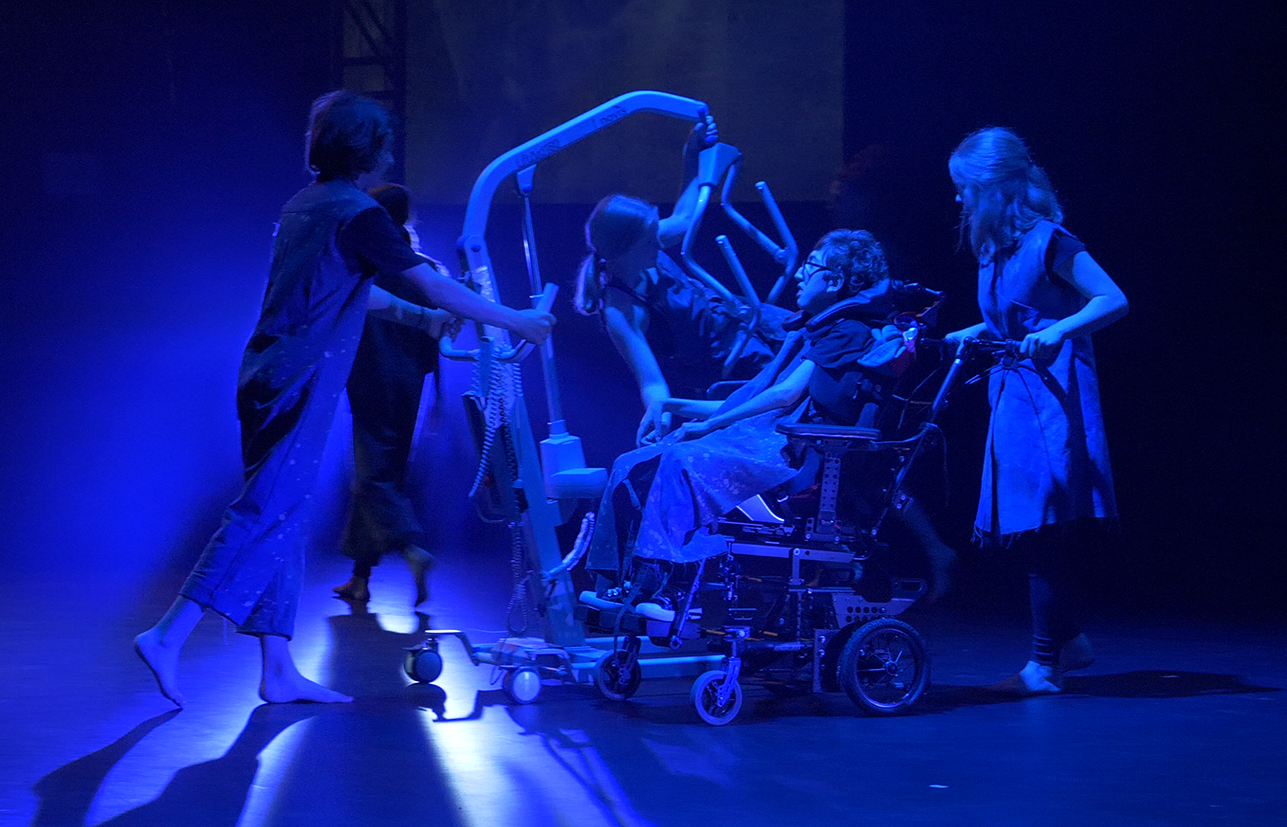
A quality of life tool developed by disability researcher Jenny Downs is helping to reveal the difference specific interventions can make to the lives of children and families living with disability.