
Search
Showing results for "mental health aboriginal"
Topical creams containing the active form of vitamin D (1,25-dihydroxyvitamin D3; 1,25(OH)2D3) or analogues of this compound are currently used with some succes
The severity of allergic diseases may be modified by vitamin D. However, the immune pathways modulated by the active form of vitamin D, 1,25-dihydroxyvitamin D.
In human asthma, and experimental allergic airways disease in mice, antigen-presenting cells and CD4(+) effector cells at the airway mucosa orchestrate, and CD4
This review aims to systematically identify and summarise the effects of different antifungal therapies in children with proven, probable or suspected...
This study will identify how the immune system contributes to neurodevelopmental outcomes and will investigate the use of an agent from traditional medicines.

The CMVictory Study aims to learn more about the safety and effectiveness of a potential CMV vaccine.
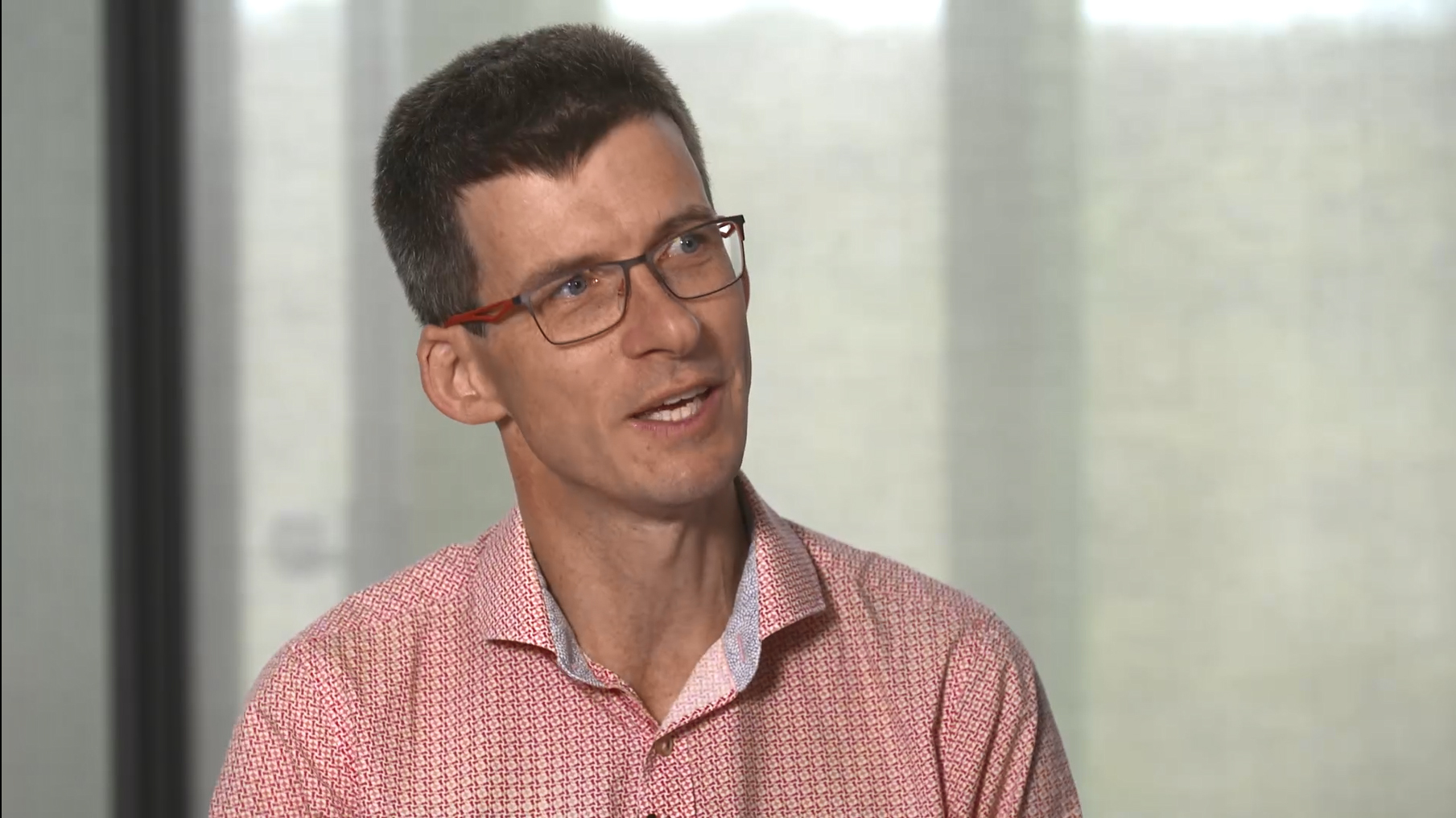
The Kids Research Institute welcomes WA's $11M RSV immunisation program, offering free Nirsevimab to infants, aiming to reduce winter hospitalisations.
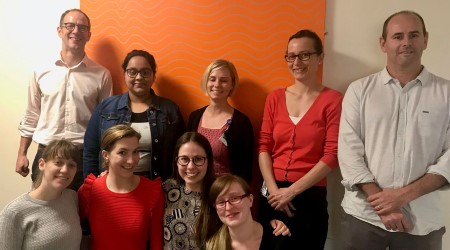
Clinical Professor Tobias Strunk, Dr Andrew Currie and their Neonatal Infection and Immunity Team have become the newest members of the Wesfarmers Centre of Vaccines and Infectious Diseases.
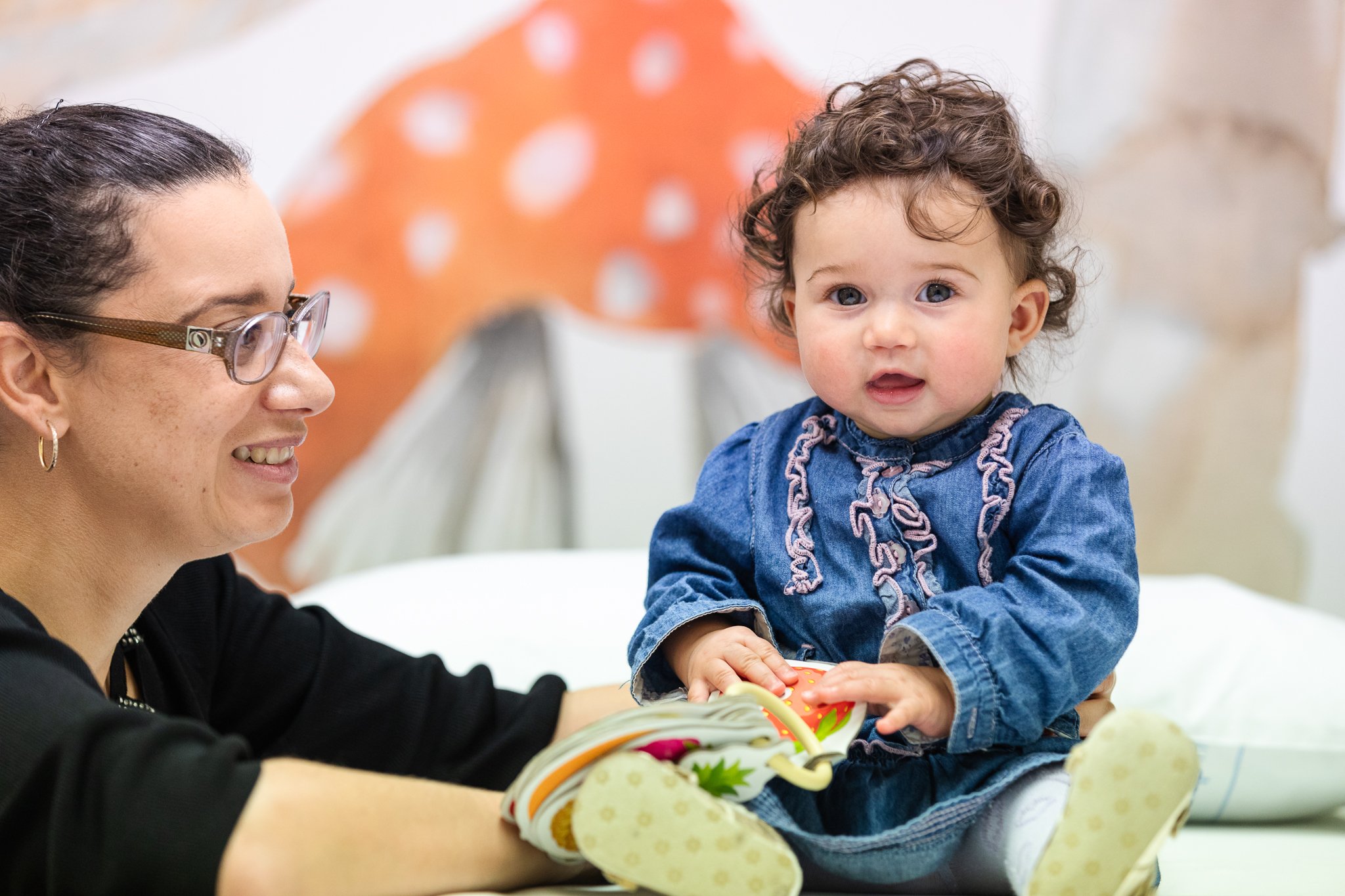
RHINO researchers from The Kids' Wal-yan Respiratory Research Centre, will analyse ORIGINS data and turn it into meaningful respiratory and allergy outcome data that can be used by researchers around the world.

Understanding how families engage with screen technologies and how it may influence child development