
Search
Showing results for "preterm birth lungs"

Multiple Breath Washout Outcomes Are Sensitive to Inflammation and Infection in Children with Cystic Fibrosis The multiple breath washout technique
This study assessed factors that could influence equipment and respite services use among Australian families caring for a girl/woman with Rett syndrome and...
This study investigated the relationships between fracture risk and commonly used AEDs in Rett syndrome.
This study used video supplemented by parent report data to describe the gross motor profile in females with Rett syndrome (n=99) and to investigate...
The goals were to compare the fracture incidence in Rett syndrome with that in the general population and to investigate the impact of genotype, epilepsy,...
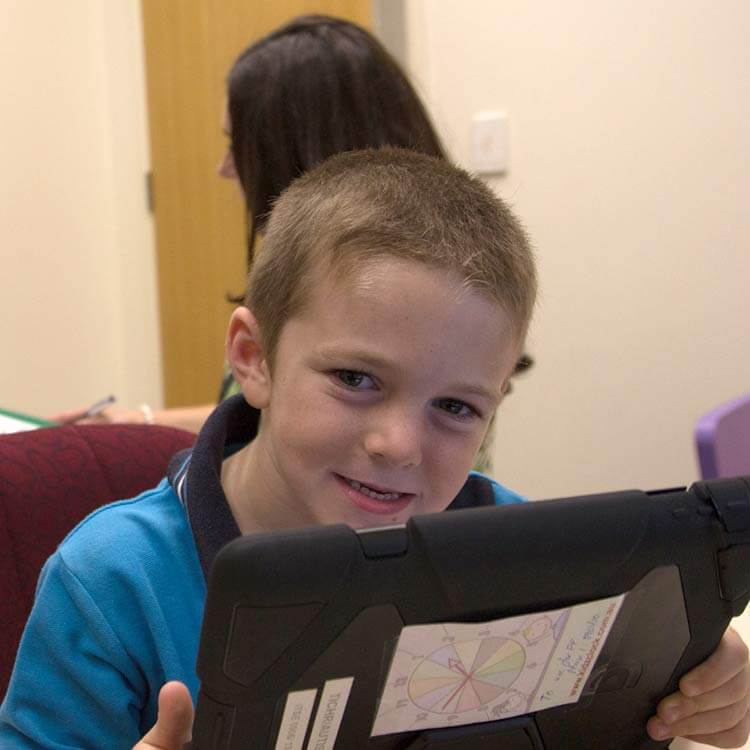
The MINERvA Network will allow more accurate and precise determination of the contributions of familial and environmental factors to the etiology of autism.
Families participating in the population-based and longitudinal Australian Rett Syndrome Database whose daughter had undergone spinal fusion provided data on...
This study aimed to explore relationships between family quality of life, day occupations and activities of daily living of young persons with Down syndrome.
Pathogenic variants in the CDKL5 gene result in CDKL5 deficiency disorder (CDD), which is characterized by early-onset epilepsy, severe developmental delay, and often, cortical visual impairment. Validated clinical outcome measures are needed for future clinical trials to be successful. This study aimed to adapt the Rett Syndrome Hand Function Scale for CDKL5 deficiency disorder and evaluate its feasibility, acceptability, content validity, and reliability.
Cyclin-dependent kinase-like 5 (CDKL5) gene pathogenic variants result in CDKL5 deficiency disorder (CDD). Early onset intractable epilepsy and severe developmental delays are prominent symptoms of CDD. Comorbid sleep disturbances are a major concerning symptom for families.