
Search
Showing results for "aboriginal respiratory"
This editorial article addresses chronic obstructive pulmonary disease and lung function testing in Aboriginal Australians.
In this review, we explore current knowledge and provide guidance as to when and how the inhaled route may be of value when treating patients whose tracheas are intubated
Strategies to address reasons for and treatment of chronic wet cough and protracted bacterial bronchitis in young Aboriginal children in remote north Western Australia are required
The results suggest that though the risk for RSV in the NICU remains low, personnel clothing are contaminated with RSV-RNA and may have a role in transmission
Following a relative absence in winter 2020, a large resurgence of respiratory syncytial virus (RSV) detections occurred during the 2020/2021 summer in Western Australia. This seasonal shift was linked to SARS-CoV-2 public health measures. We examine the epidemiology and RSV testing of respiratory-coded admissions, and compare clinical phenotype of RSV-positive admissions between 2019 and 2020.
An interseasonal resurgence of respiratory syncytial virus (RSV) was observed in Western Australia at the end of 2020. Our previous report describing this resurgence compared the 2019 and 2020 calendar years, capturing only part of the 2020/21 season.
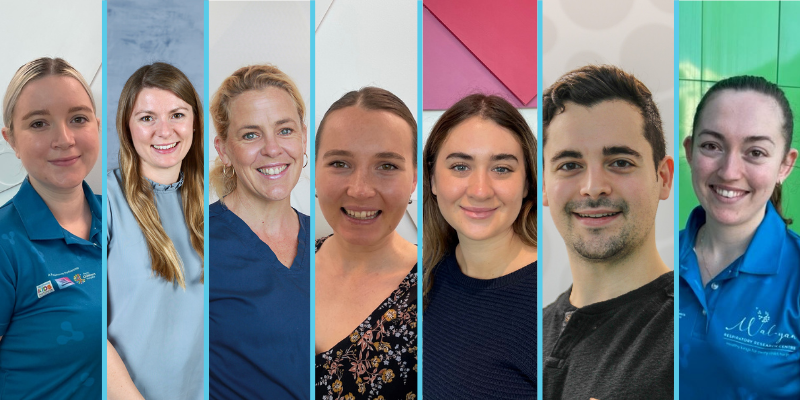
A large contingent of researchers from the Wal-yan Respiratory Research Centre are heading to Spain in September to participate in the European Respiratory Society (ERS) International Congress – the largest respiratory meeting in the world.

September marks the three-month milestone of an intensive health promotion campaign in the East Kimberley region, which aims to raise awareness of the dangers of a chronic wet cough in Aboriginal children.
Graham Hall BAppSci PhD CRFS FANZSRS FThorSoc FERS Honorary Research Associate Honorary Research Associate Professor Graham Hall is an
The Global Lung Function Initiative (GLI) Network has become the largest resource for reference values for routine lung function testing ever assembled.