
Search
Showing results for "preterm birth lungs"
Data on static compliance of the chest wall (Ccw) in preterm infants are scarce. We characterized the static compliance of the lung and Ccw to determine their relative contribution to static compliance of the respiratory system in very preterm infants at 36 wk postmenstrual age. We also aimed to investigate how these compliances were influenced by the presence of bronchopulmonary dysplasia and impacted breathing variables.
To better characterise prematurity-associated lung disease, adult spirometry phenotype classifications (obstructive lung disease, preserved ratio impaired spirometry and dysanapsis) have been applied to children born preterm. It is unknown how these phenotypes track over time.
Graham Ingrid Shannon Hall Laing Simpson BAppSci PhD CRFS FANZSRS FThorSoc FERS BSc PhD BMedSci (hons), PhD Honorary Research Associate Head,
Childhood outcomes following preterm birth are widely published, however long-term adult outcomes are less well described. We aimed to determine the quality of life and burden of co-morbidities experienced by preterm-born young adults in Western Australia.

Research from The Kids Research Institute Australia shows that a short time interval between pregnancies may be less of a risk factor for preterm birth and low birth weight
The odds of total cerebral palsy after potentially asphyxial birth events or inflammation were modestly increased.
This prospective longitudinal study examined changes in milk sodium concentration (Na) and sodium:potassium ratio (Na:K), microbiological culture, milk production, and breast health in relation to mastitis after preterm birth.
Although formaldehyde concentrations were very low, this finding is consistent with other studies of formaldehyde and poor birth outcomes
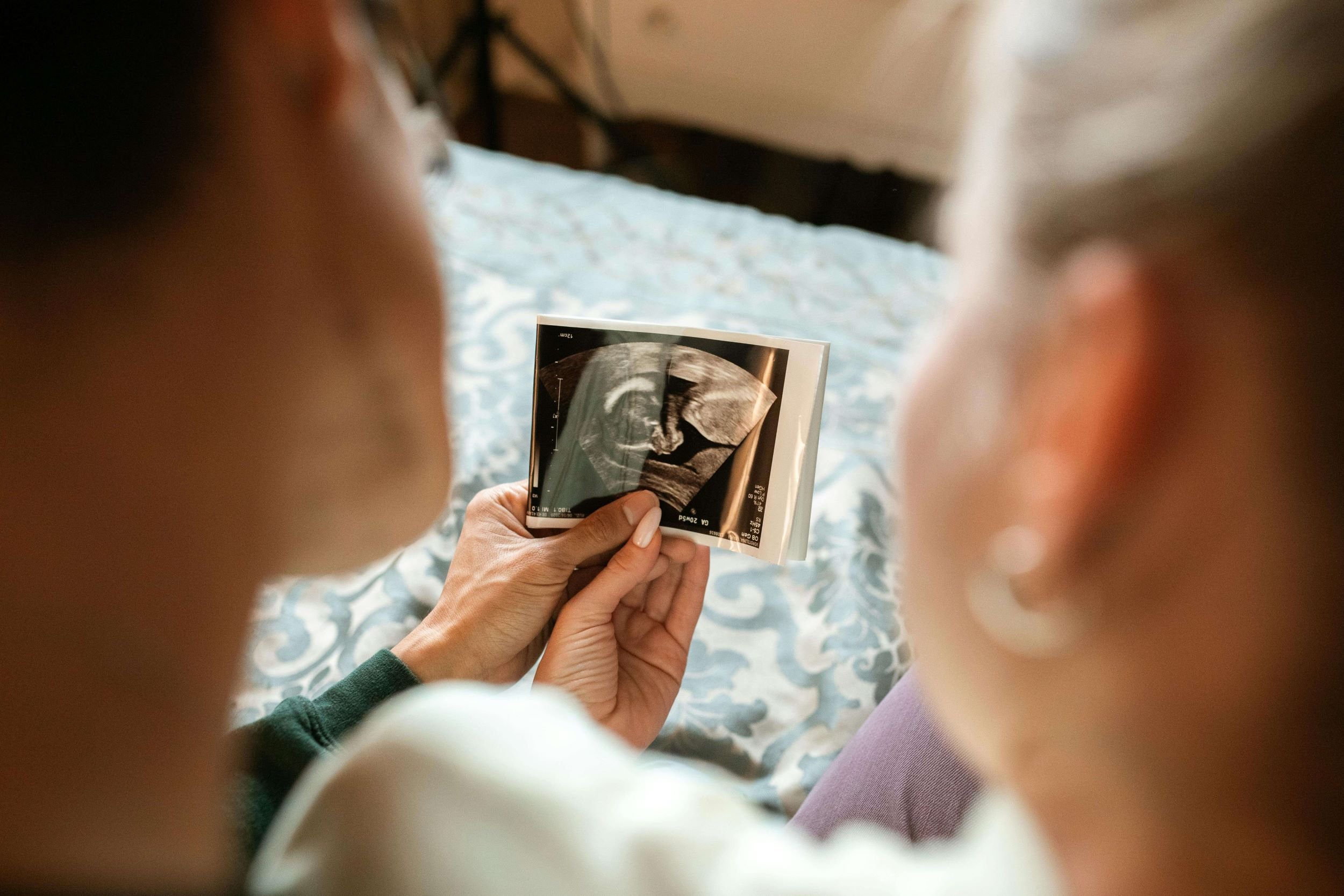
This research aims to examine subfertility in a population pregnancy cohort, analysing the underlying differences between sub fertile couples who conceive naturally, sub fertile couples who conceive using ART or non-IVF, and fertile couples.
We aimed to develop and validate a prediction table for a simplified measure of rightward shift of the fetal oxyhaemoglobin saturation (SpO2) versus inspired oxygen pressure (P IO2) curve as an objective marker of lung disease severity in very preterm infants, independent of unit altitude or oxygen prescribing policies.