
Search

An international trial reveals 95% of rheumatic heart disease patients prefer less painful penicillin injections under the skin, aiming to improve treatment adherence.

The Kids Research Institute developed a world-first RSV transmission model using real data to predict the impact of WA’s immunisation program for young children.
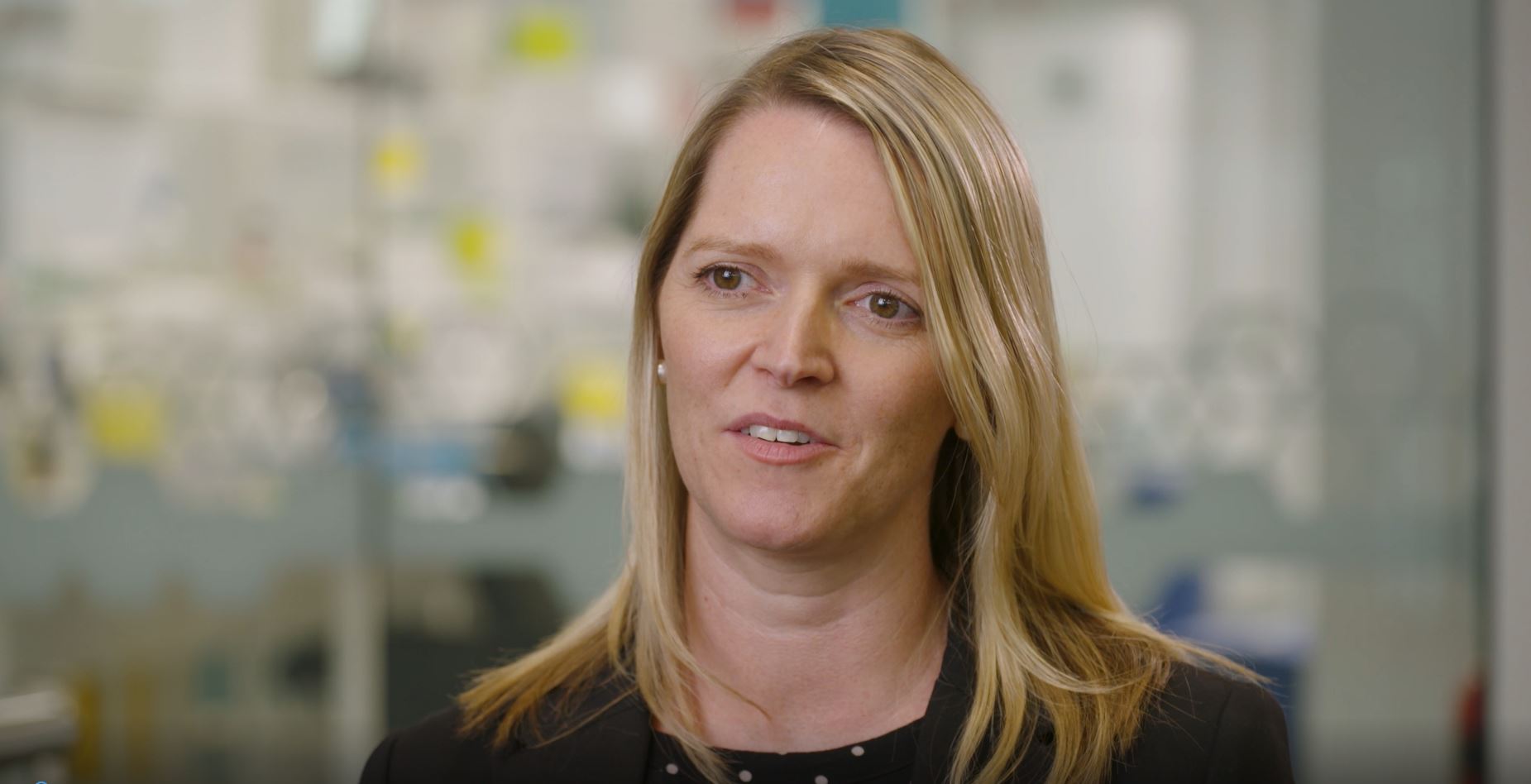
The Kids Research Institute Australia has secured a State Government grant to prepare a nasal therapy designed to prevent childhood ear infections for a world-first clinical trial.
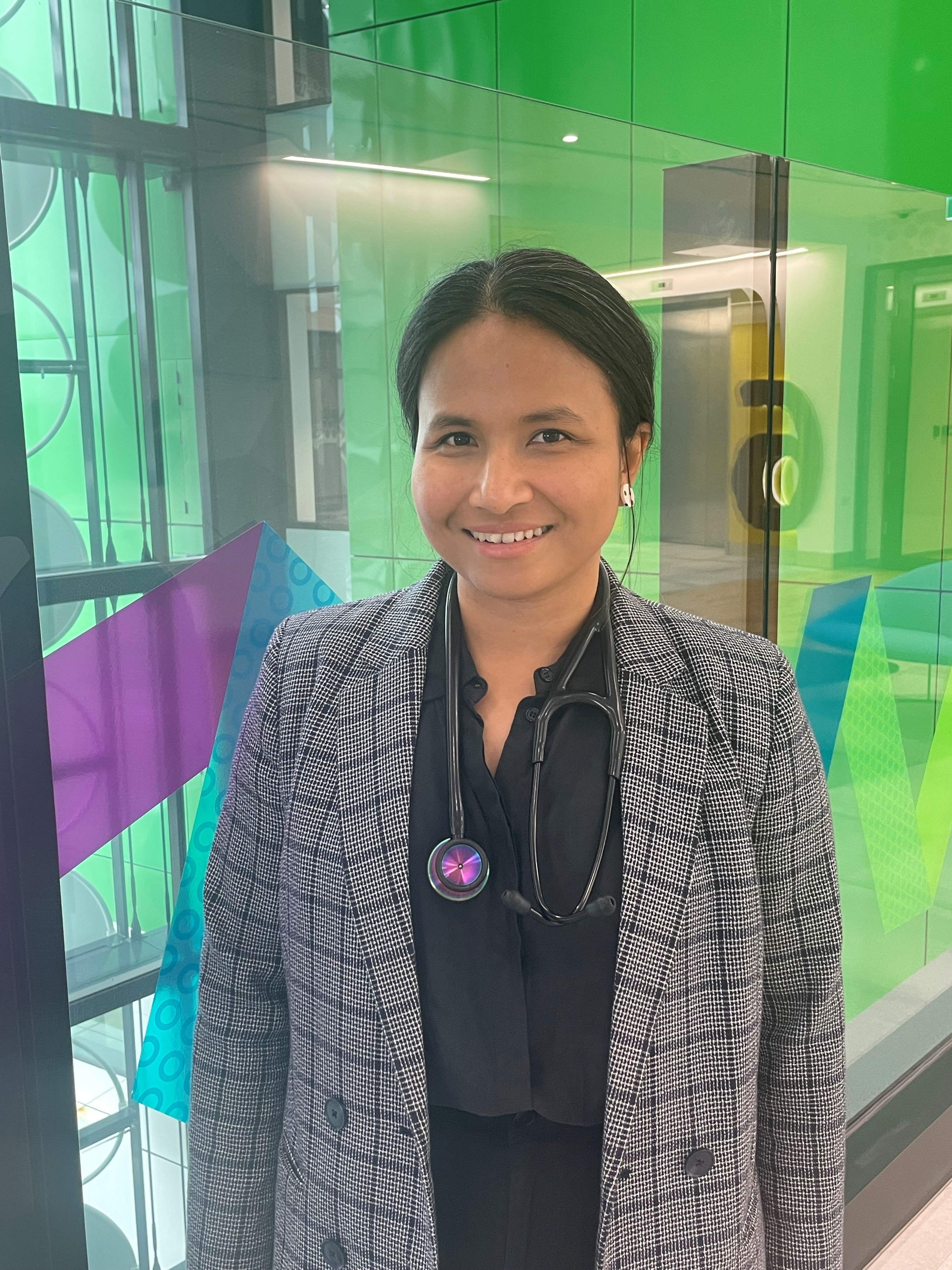
A surge in invasive group A streptococcal reports in Australia has prompted The Kids Research Institute Australia researchers to call for a unified national public health response, with cases tipped to increase.
People living with hepatitis C in WA are being urged to take part in a new project, aimed at encouraging the take-up of treatment.
The 2019 IIC Perth is a clinical training course in childhood infectious diseases, being held in Western Australia for a second time after the success of the first event in 2016.
Thank you to our Sponsors Contact us If you'd like to get in touch, please contact Marie Nadal-Sims by phone or email. Phone: (08) 6319 1001 Email:
Contact us If you'd like to get in touch, please contact Marie Nadal-Sims by phone or email. Phone: (08) 6319 1001 Email: IICPerth@thekids.org.au All
Contact us If you'd like to get in touch, please contact Marie Nadal-Sims by phone or email. Phone: (08) 6319 1001 Email: IICPerth@thekids.org.au All
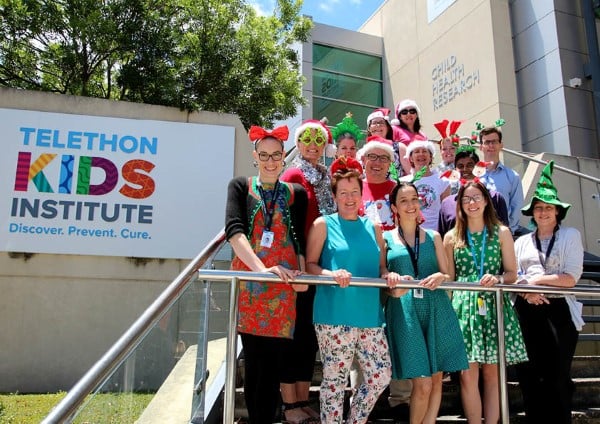
Wrap up of the people, projects and updates from 2017 in the Vaccine Trials Group research area, and Dr Peter Richmond.