
Search
Showing results for "early lung health"
Human immunodeficiency virus and acquired immune deficiency syndrome (HIV/AIDS) is still among the leading causes of disease burden and mortality in sub-Saharan Africa (SSA), and the world is not on track to meet targets set for ending the epidemic by the Joint United Nations Programme on HIV/AIDS (UNAIDS) and the United Nations Sustainable Development Goals (SDGs).

More than 1000 children are being sought for a study to learn more about sore throats and how best to prevent them.

Dr Hayley Passmore has been named an AMP Foundation Tomorrow Maker in recognition of her efforts to better support young people in detention who have neurodisability.
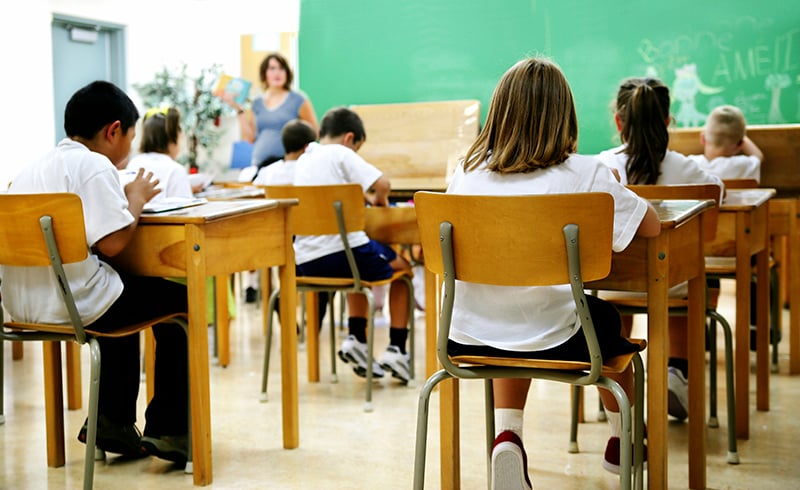
Schools are issuing restrictions around attendance after travel overseas due to coronavirus. Here's how to prepare your kids against the spread of infectious disease on their return to school.
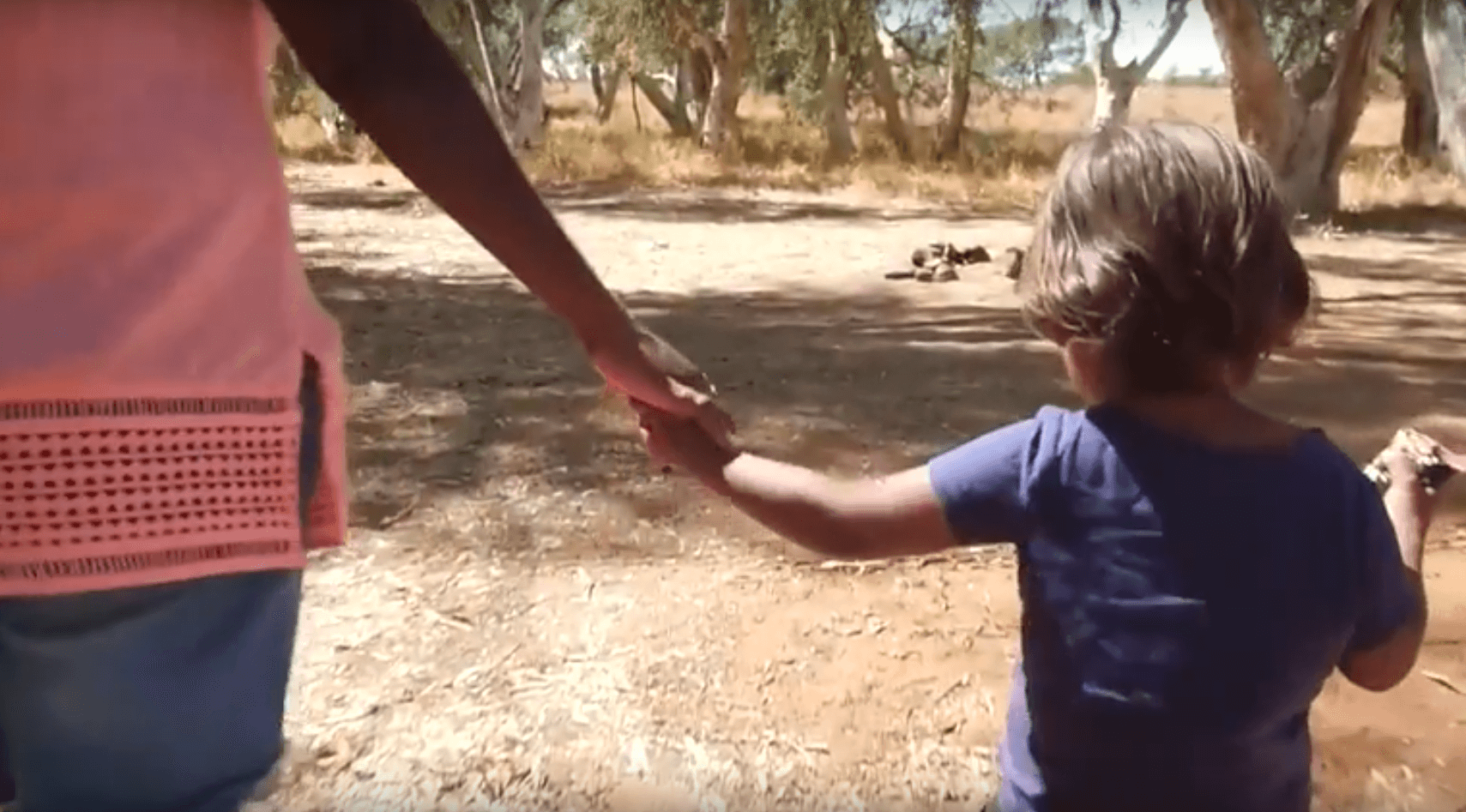
Aboriginal mum and child
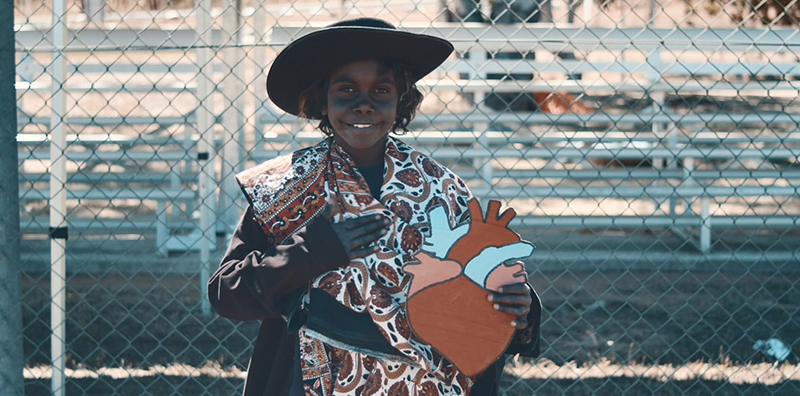
Once you hear it, you won’t be able to get it out of your head – and that’s exactly the point of the new song ‘Boom Boom’.
A $6 million commitment from Wesfarmers to Telethon will fund vital research to reduce the impact of chronic ear infections and other serious diseases.
Three Perth researchers from The Kids Research Institute Australia have today been named finalists for the 2016 Australian Museum Eureka Prizes.
Six leading health organisations have joined a new coalition to end rheumatic heart disease in Australia, disproportionately affecting Indigenous Australians.
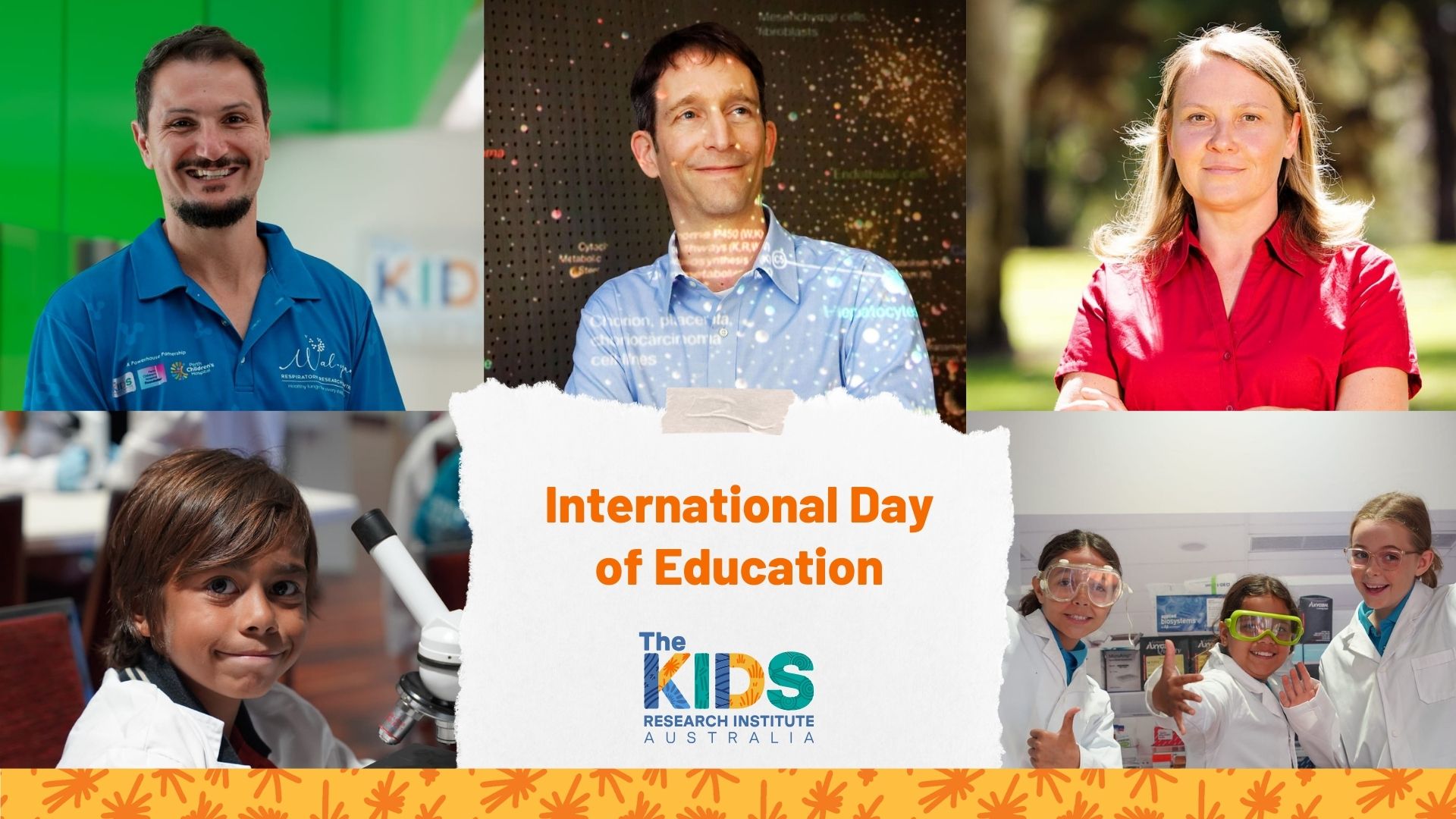
Today, 24 January 2025, is International Day of Education, a global celebration of the power of learning to transform lives. This year’s theme, “AI and Education: Preserving Human Agency in an Automated World”, underscores the critical role of education in preparing kids for a future increasingly shaped by AI.