
Altered drive to socially engage is a transdiagnostic feature across multiple psychopathologies. Yet, lack of clarity regarding specific processes th…
The antirelapse efficacy of primaquine is related to the total dose administered, whereas the risks of haemolysis and gastrointestinal intolerance ar…
Low vitamin D status and intake are prevalent among the Australian population, including Aboriginal and Torres Strait Islander peoples. We hypothesis…
Malaria remains a leading cause of morbidity and mortality and is responsible for over 0.5 million annual deaths globally. During the first two decad…

Research to eliminate one of the world’s deadliest diseases – malaria – will be accelerated thanks to a USD $4.7 million grant from the Gates Foundat…

Research Assistant
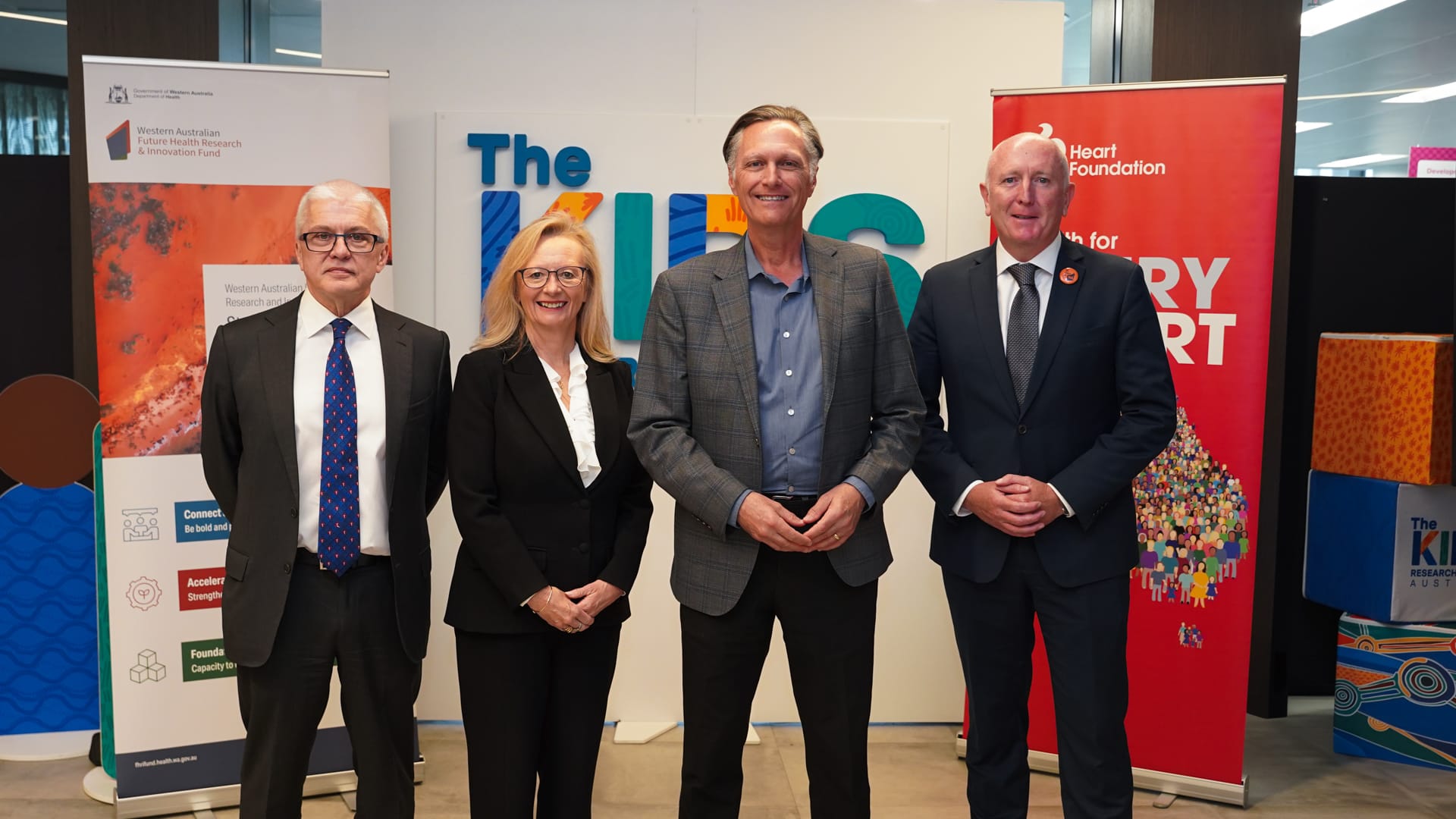
The Kids Research Institute Australia today welcomed an announcement that the second World Congress on RHD will be hosted in Perth in 2026 by the Nat…
The Model of Care supports the health of women and their babies with cardiometabolic complications of pregnancy and aids in the prevention and manage…

Valuable support from the Raine Medical Research Foundation’s 2025 grant round will power four new research projects at The Kids Research Institute A…

The Kids Research Institute Australia today announced that Professor Jonathan Carapetis AM will step down as Executive Director in July 2026, after 1…