
Search
Showing results for "early lung health"
Kefyalew Alene BSc, MPH, PhD Head, Geospatial and Tuberculosis 0404705064 Kefyalew.alene@thekids.org.au Honorary Research Fellow Dr Kefyalew Alene
Stopping Acute Rheumatic Fever Infections to Strengthen Health
Twenty-five families of girls who underwent a spinal fusion between 2006-2012 were interviewed to explore the course of their daughter's recovery.
Schools play a major role in supporting young people with emotional and behavioural problems and are often where symptoms are first identified.
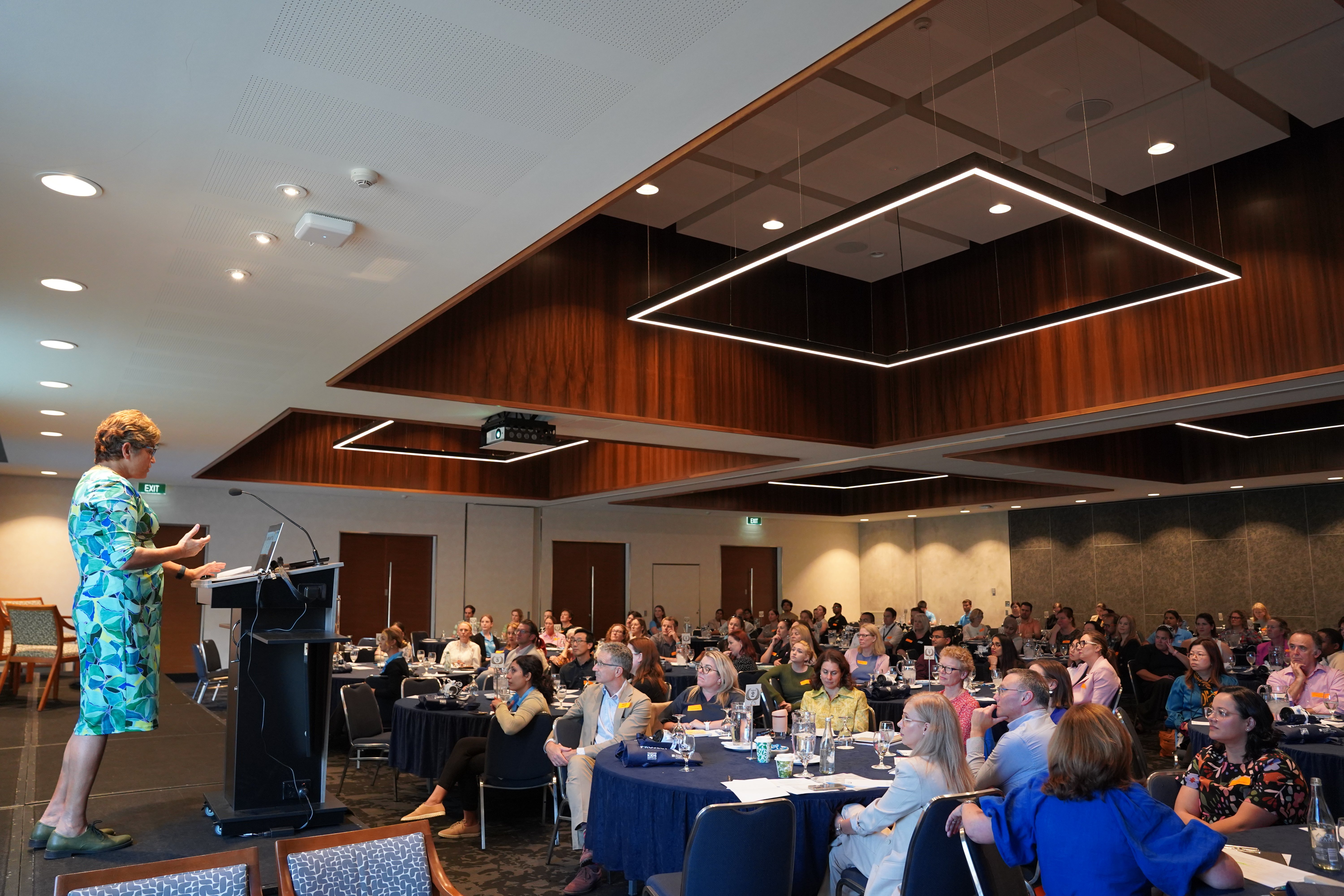
Yesterday, we were delighted to host close to 200 people at The ORIGINS 2024 Showcase, which explored the power of longitudinal cohorts, now and in
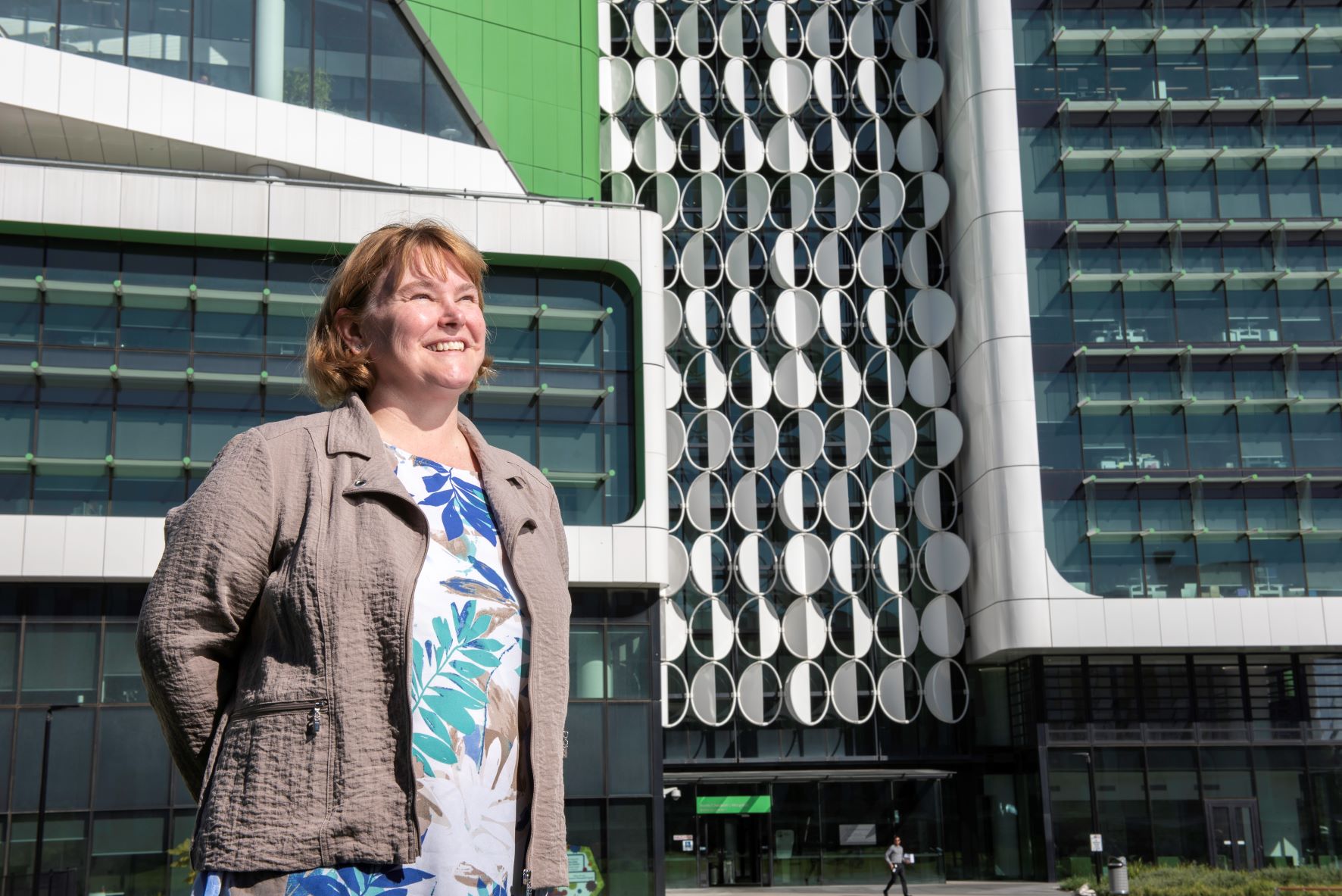
ORIGINS' SYMBA study awarded State Government grant to extend vital research into allergies
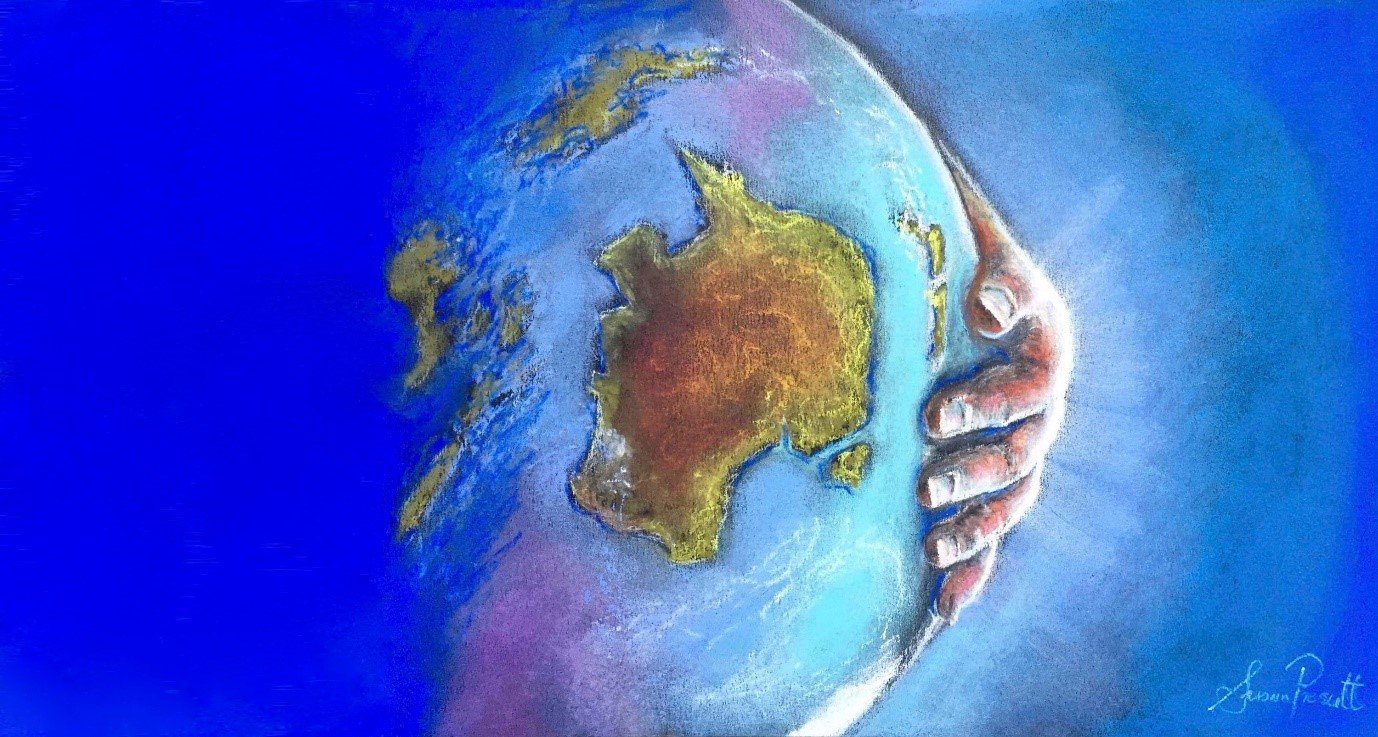
Plastics in Pregnancy (Phase One)
To investigate whether maternal coffee and/or tea consumption during the last 6 months of pregnancy was associated with risk of childhood ALL.
The objective of this study was to investigate whether maternal coffee and/or tea consumption during the last 6 months of pregnancy was associated with risk...
The Australian Study of Causes of Acute Lymphoblastic Leukemia in Children (Aus-ALL) was designed to test the hypothesis, raised by a previous Western Australia