Search
Showing results for "mental health aboriginal"
Traits and characteristics qualitatively similar to those seen in diagnosed autism spectrum disorder can be found to varying degrees in the general population. To measure these traits and facilitate their use in autism research, several questionnaires have been developed that provide broad measures of autistic traits [e.g. Autism-Spectrum Quotient (AQ), Broad Autism Phenotype Questionnaire (BAPQ)]. However, since their development, our understanding of autism has grown considerably, and it is arguable that existing measures do not provide an ideal representation of the trait dimensions currently associated with autism. Our aim was to create a new measure of autistic traits that reflects our current understanding of autism, the Comprehensive Autism Trait Inventory (CATI).
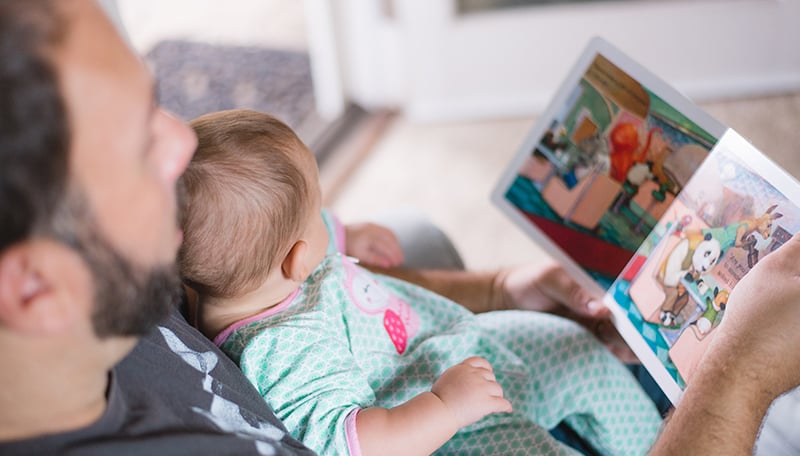
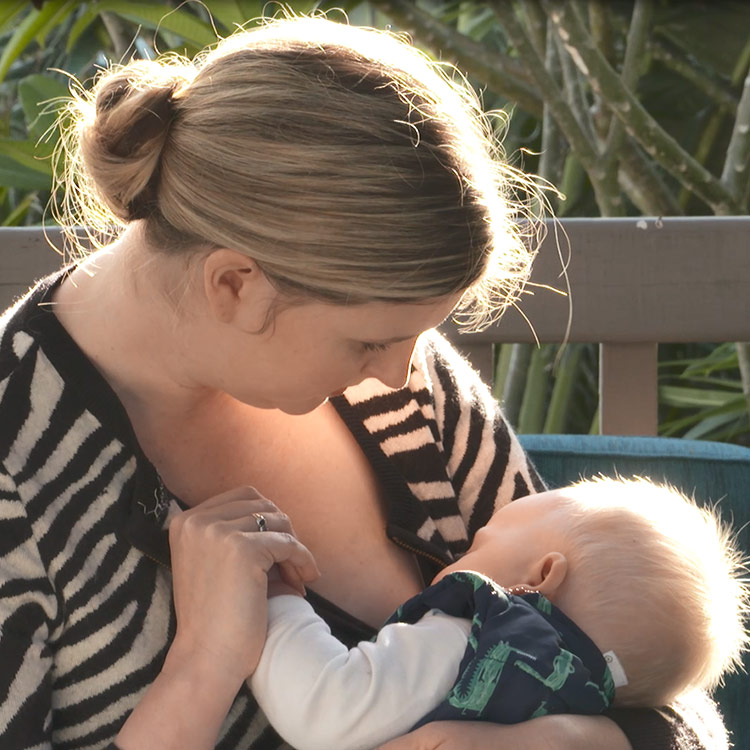
Several studies have explored relationships between parent broader autism phenotype and offspring communication, and have reported that autistic-like traits in parents are related to offspring communication difficulties and autism severity. However, past research has focused on studying such associations in childhood and we know very little about them in infancy. With accumulating evidence that interventions administered during infancy may be most effective in reducing ASD symptoms, it is imperative to examine whether relationships between parent autistic-like traits and child communication appear even earlier during this critical period of life.
Christopher Blyth MBBS (Hons) DCH FRACP FRCPA PhD Centre Head, Wesfarmers Centre of Vaccines and Infectious Diseases; Co-Head, Infectious Diseases
The placebo effect is established in clinical trials, but for paediatric research, questions remain about how to best manage its influence. Within the autism field, data on these issues is sparse. This is particularly important in the oxytocin field where placebo responses are thought to play an important role. This study reports on data from the single-blind, placebo lead-in phase of a randomised controlled trial to investigate the placebo response and its relationship to treatment response in autistic children.
High nasopharyngeal pneumococcal carriage density is associated with severe pneumonia; however, little is known about factors that affect pneumococcal carriage density including pneumococcal vaccination. We describe pneumococcal density by clinical and demographic factors, and effect of 13-valent pneumococcal conjugate vaccine (PCV13) on density in Papua New Guinea (PNG), Lao People’s Democratic Republic (Lao PDR) and Mongolia, 3–6 years following national PCV13 introduction.
Caregiver-mediated supports in general have shown mixed evidence for enhancing language outcomes in infants at higher likelihood of autism. While caregivers play a substantial role in caregiver-mediated supports, little is known about whether caregivers' own subclinical autistic features - known as broader autism phenotype - may moderate infant language outcomes.
This study aimed to characterise bacteriophages for potential therapeutic use against Staphylococcus aureus, focusing on clinical respiratory isolates of methicillin-sensitive (MSSA) and methicillin-resistant (MRSA) strains. Specifically, it sought to evaluate phage lytic activity, host range, stability, biofilm disruption capabilities, and overall safety for therapeutic use.
The overarching goal of the Australian coronavirus disease 2019 (COVID-19) vaccination program has been to protect all people in Australia from the harm caused by the novel coronavirus SARS-CoV-2. This review reflects on the role of the Australian Technical Advisory Group on Immunisation (ATAGI) in the national COVID-19 vaccination program, in terms of the initial programmatic and clinical recommendations in the evolving context of evidence relating to the disease and vaccines, epidemiology, and the program rollout.
We aimed to describe the clinical spectrum and burden of COVID-19-associated neurologic disease in Australian children.
Influenza vaccine effectiveness and immunogenicity can be compromised with repeated vaccination. We assessed immunological markers in a cohort of healthcare workers (HCW) from six public hospitals around Australia during 2020-2021.