
Search
Showing results for "aboriginal respiratory"
Mosaic attenuation on expiratory chest computed tomography (CT) is common in early life cystic fibrosis (CF) and often referred to as "air trapping"
To obtain comprehensive data on lung structure and function in mid-childhood from survivors of preterm birth.
We aimed to quantify the diagnostic utility of mannitol challenge testing for asthma in a community cohort and a symptomatic wheezing subset of this cohort.
To assess the determinants of early lung function in African infants.
Lung clearance index may be a useful surveillance tool to monitor structural lung disease in preschool and school-age children with cystic fibrosis
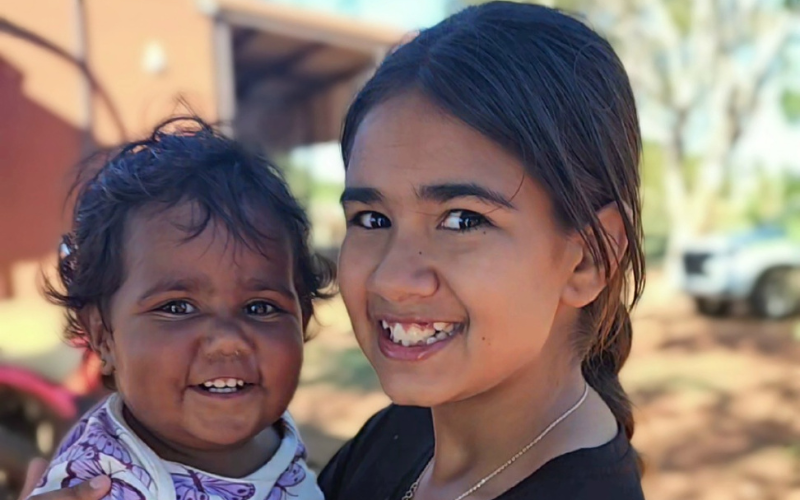
The key to improving the lung health of Aboriginal children lies in establishing strong community connections.
Ventilated preterm infant lungs are vulnerable to overdistension and underinflation.
Promptly recognising changes in an acutely unwell child’s condition is fundamental to prevent tragic outcomes. Western Australian (WA) healthcare facilities used inconsistent and varied paediatric early warning systems. To improve care consistency, a standardised ESCALATION system, inclusive of family involvement and sepsis recognition, was developed.
Culturally safe healthcare approaches are important to improve outcomes of Indigenous people. Non-Indigenous clinicians are often ill-prepared to provide such healthcare. The NHMRC Centre for Research Excellence (CRE) especially for First Nations Children has been studying for several years how to improve clinical care for Indigenous children with respiratory disease in hospital, clinic, urban, rural and remote settings.
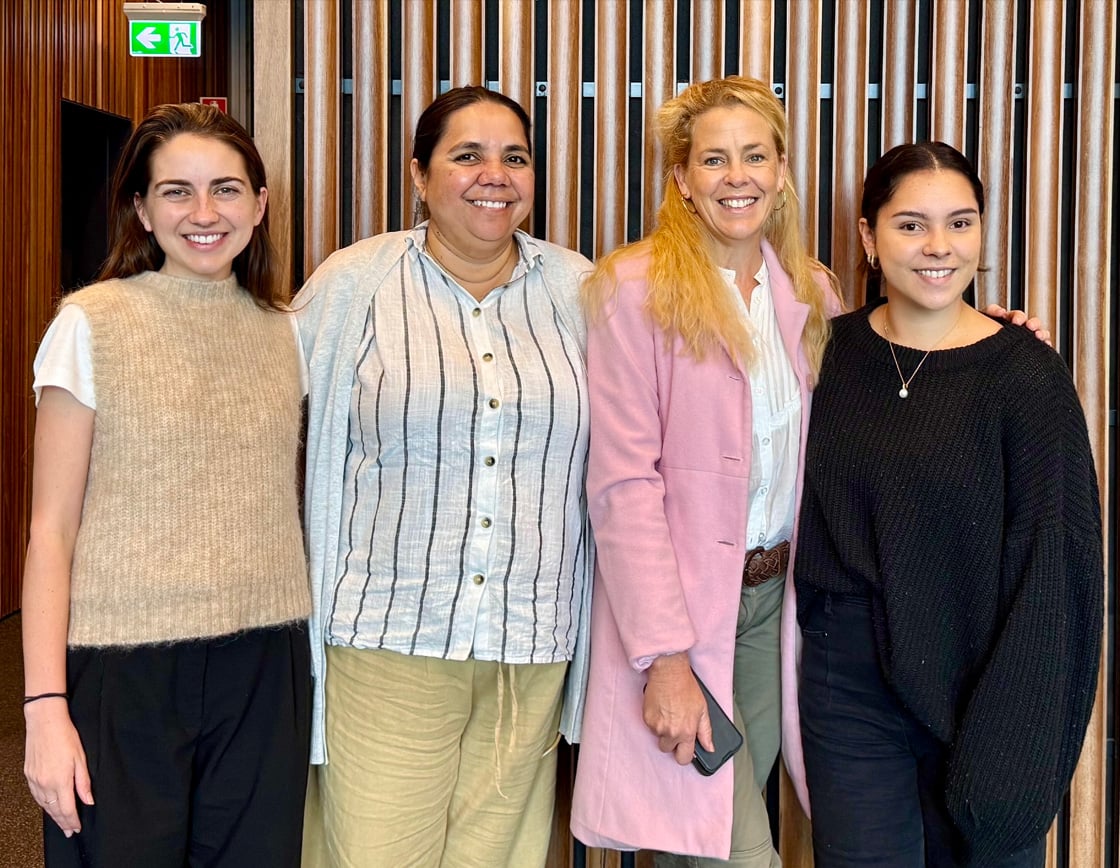
Inviting expressions of interest for the INSPIRE Consumer Reference Group (CRG) of WA – a group for the Aboriginal Children’s Excellent (ACE) Lung Health studies.