
Search
Showing results for "early lung health"
Our Centre is involved with a wide range of research projects, many involving collaborating with partners to run trials of new technologies and treatments.
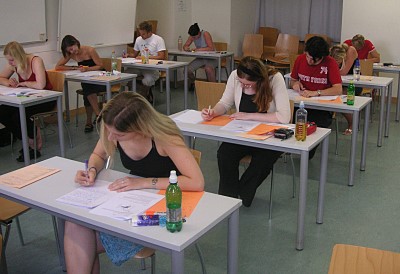
End-of-year exams may be far from the minds of students managing diabetes but now is the time to get the process started for obtaining special ATAR provisions.
In Australia, access to insulin pump therapy for children with type 1 diabetes is predominantly restricted to families with private health insurance. In an attempt to improve equity, additional subsidised pathways exist which provide pumps to families with reduced financial resources. We aimed to describe the outcomes and experiences of families with children commenced on pumps through these subsidised pathways in Western Australia.
Adolescents with Type 1 diabetes (T1D) often need to undertake self-management tasks in public or disclose their diagnosis to others. Therefore, they may be subjected to negative reactions from the public, known as enacted stigma.
Continuous glucose monitoring (CGM) is increasingly used in type 1 diabetes management; however, funding models vary. This study determined the uptake rate and glycemic outcomes following a change in national health policy to introduce universal subsidized CGM funding for people with type 1 diabetes aged <21 years.
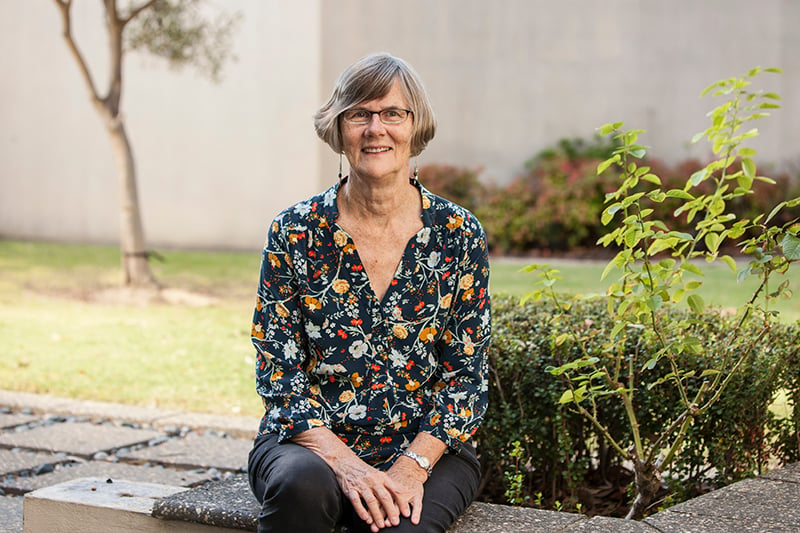
Hundreds of delegates from around Australia, Canada and New Zealand arrive in Perth this week to discuss the latest knowledge about fetal alcohol spectrum disorder (FASD) at the 2nd Australasian FASD Conference 2018.
The Kids Research Institute Australia, has welcomed the State Government's budget commitment to innovation and medical research.

Congratulations to three The Kids Research Institute Australia researchers, who have been awarded funding from the Raine Medical Research Foundation.
Pregnant women who already have an autistic child are being sought for a study by the Autism Research Team at WA's The Kids for Child Health Research.
Perth's The Kids for Child Health Research will be located in an integrated building with the state's new children's hospital