
Search
Showing results for "8"
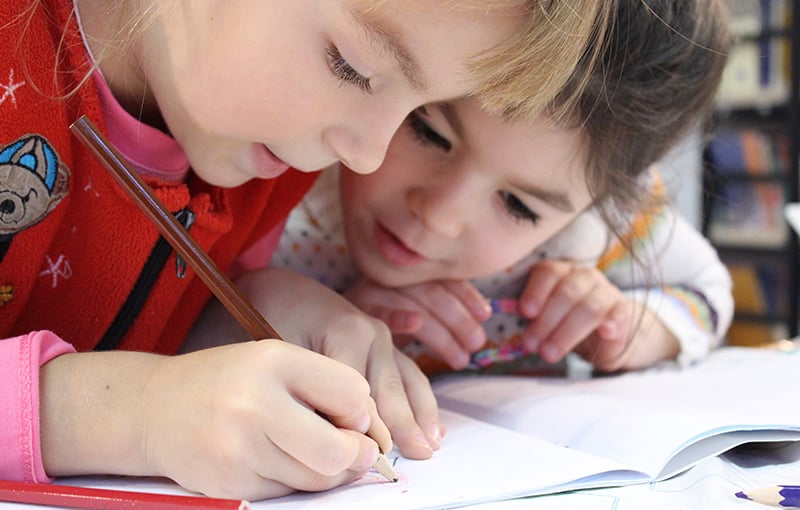
A new study by researchers at The Kids Research Institute Australia has found there is a bigger picture to consider when determining whether a child is ready to start school.
A child's ability to communicate is one of their most important developmental achievements. It builds a foundation for everything that is to come.
Researchers at the Institute were engaged to undertake the National School Readiness Project, which aimed to describe current practice across education authorities in assessing or describing child development status at school entry and use evidence to identify areas where the scope/quality of curren
Amy Keely Liz Megan Asha Finlay-Jones Bebbington Davis Ansell Parkinson BPsych(Hons), MPsych(Clinical), MHealthEcon, PhD (Clin Psych) MClinPsych/PhD
Helen Jenny Leonard Downs MBChB MPH BApplSci (physio) MSc PhD Principal Research Fellow Head, Child Disability +61 419 956 946 08 6319 1763
In this project, our team provides malaria vaccine impact predictions to inform vaccine investment strategies for Gavi, the Vaccine Alliance, and their partners.
Publications from 2017 dating back to 2004 of CDKL5 researchers.
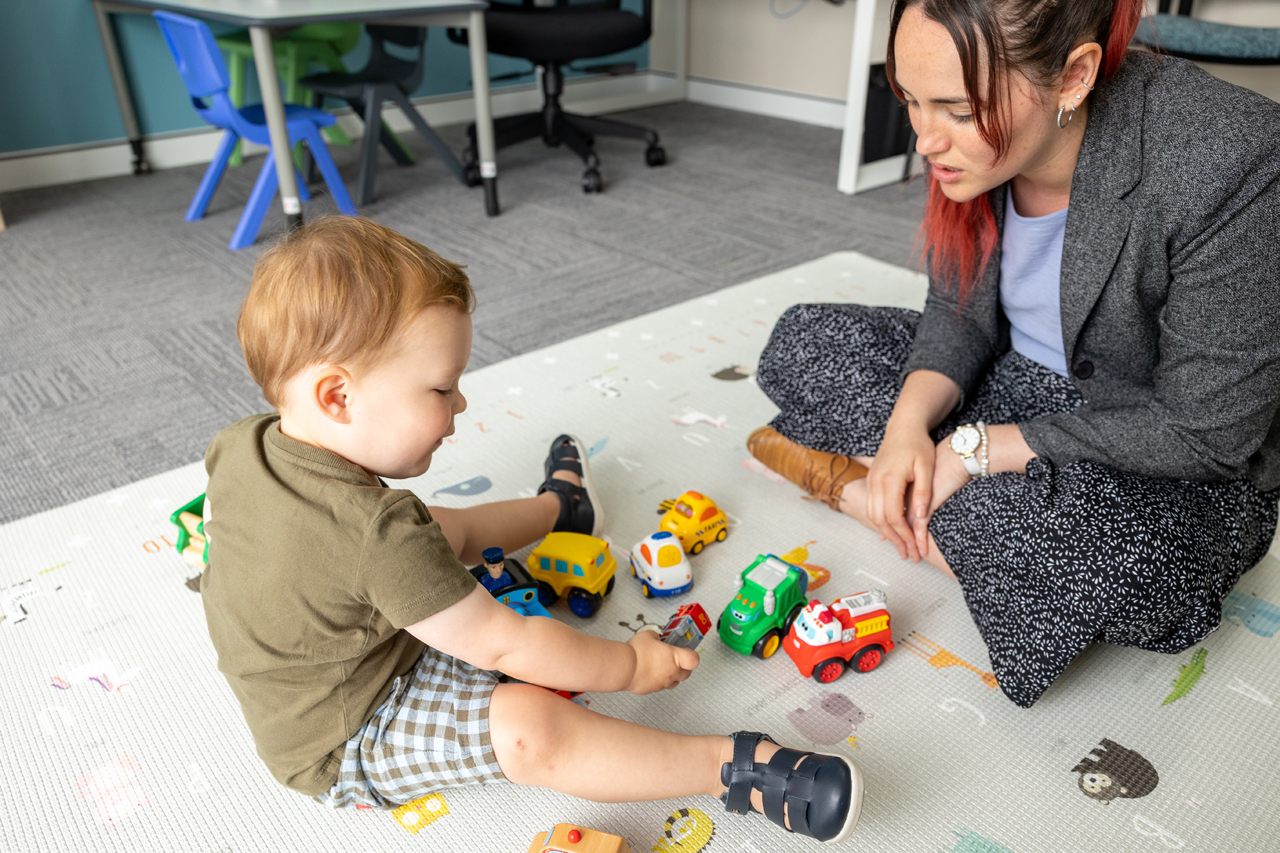
In this new blog, Speech Pathologist Emma Corry looks at the importance of shared attention for connection, communication and learning.
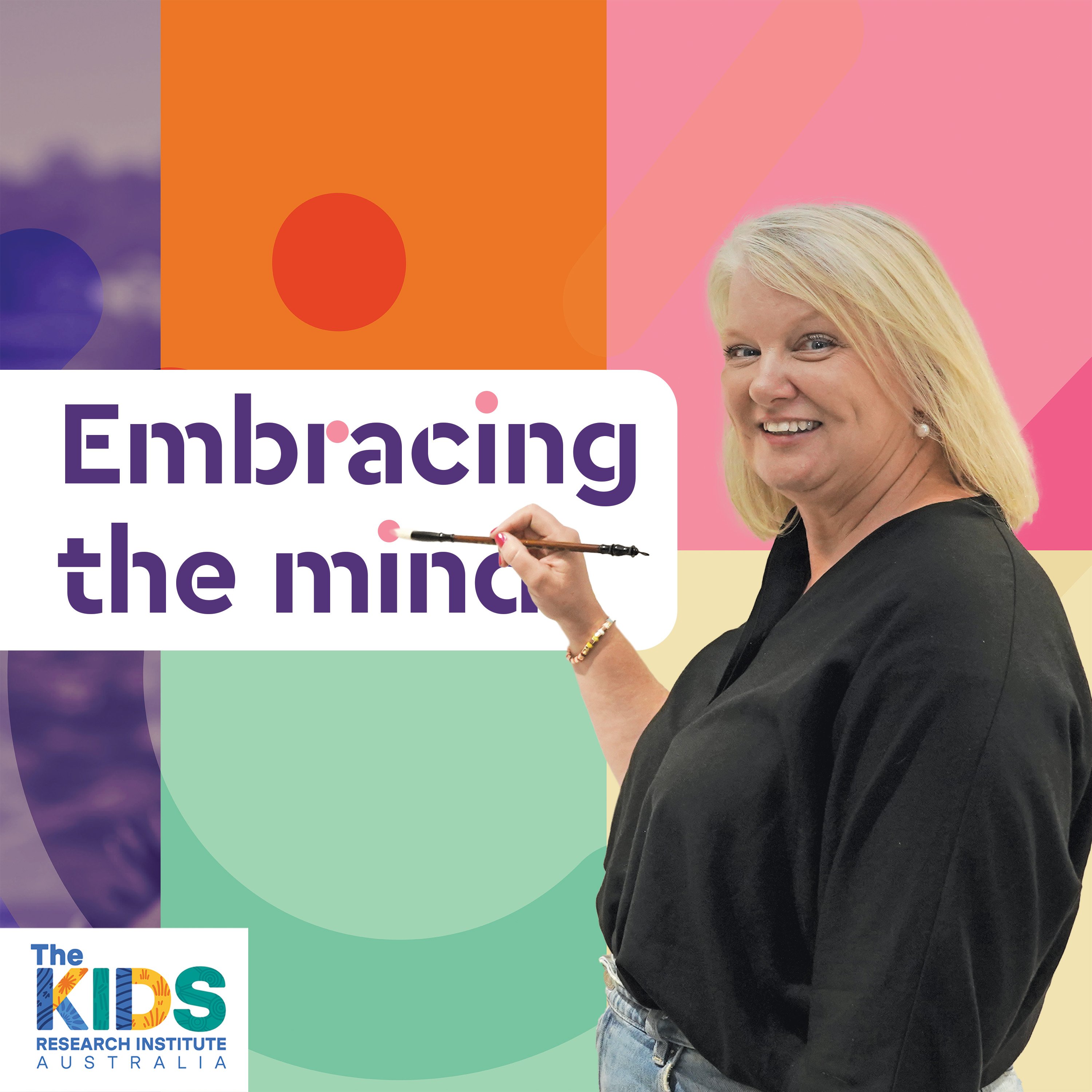
Embracing the Mind is hosted by Embrace senior researchers Dr Alix Woolard and Dr Karen Lombardi.
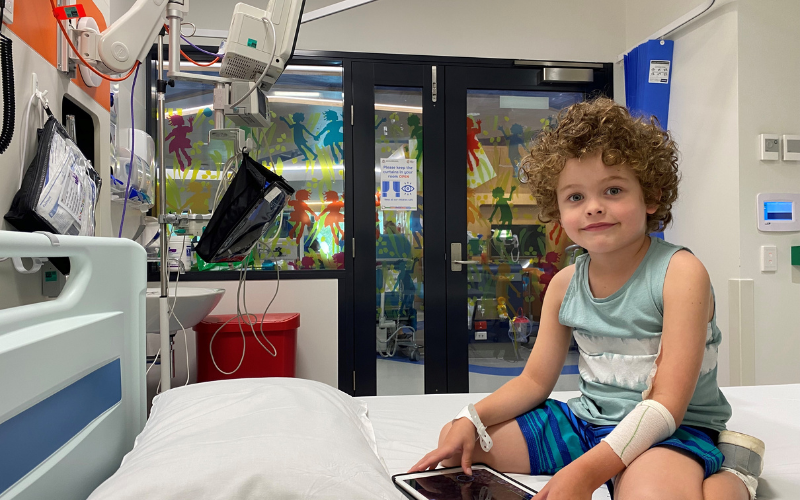
Access to phage therapy, a treatment option for antibiotic resistant superbugs, is now one step closer for people with CF in WA thanks to a $500,000 donation from Conquer Cystic Fibrosis to the Wal-yan Respiratory Research Centre.