
Search
Showing results for "early lung health"

Research Officer

Senior Project Coordinator
Senior Research Fellow

Senior Analyst Programmer
Donna O'Hara is the Chief Operating Officer at The Kids Research Institute Australia.

Senior Program Manager
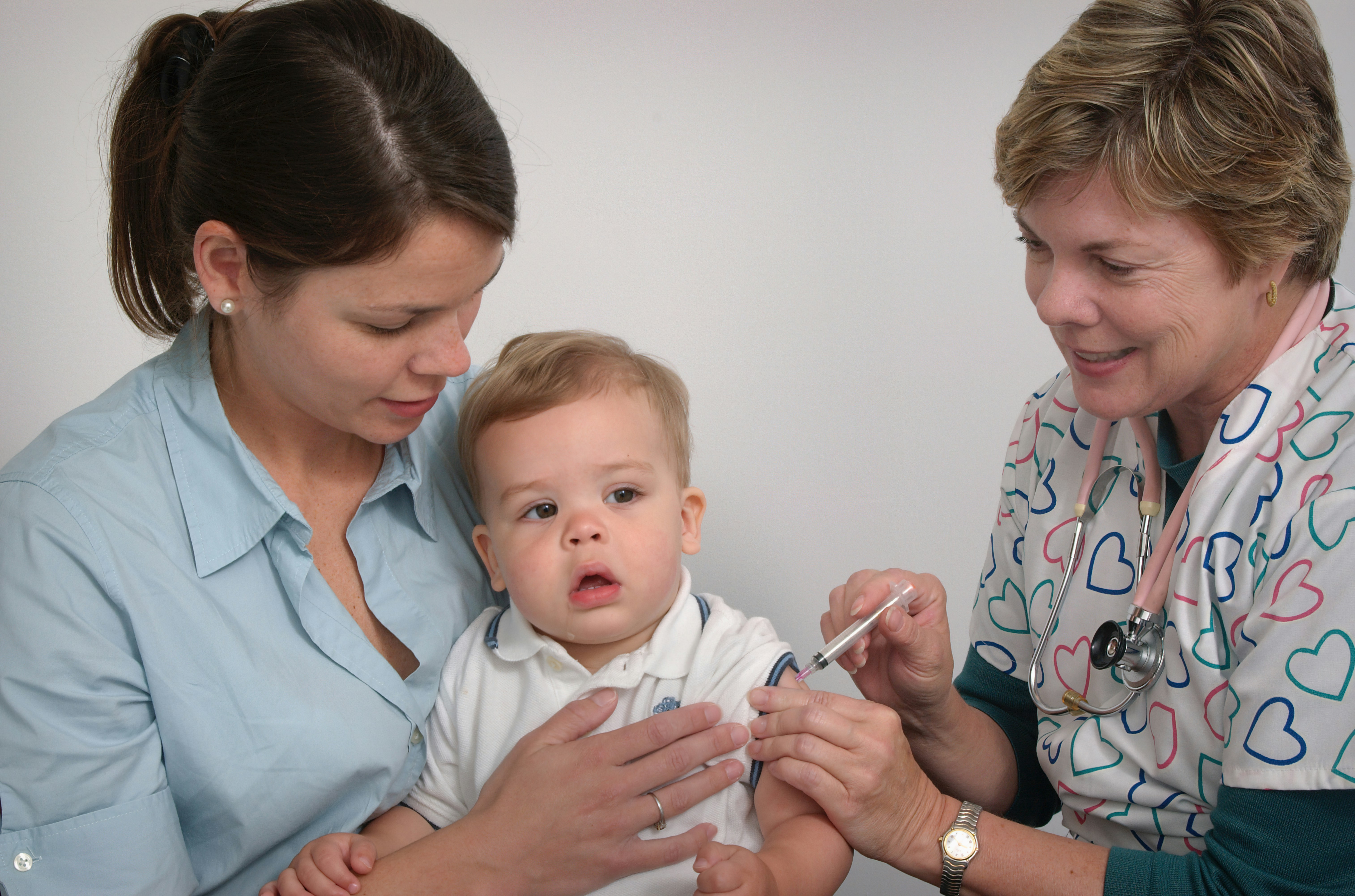
Researchers at The Kids Research Institute Australia have helped map the global impact of life saving vaccines to mark the 50-year anniversary of the Expanded Programme on Immunisation (EPI).
Gram-negative bacterial infections remain a major cause of morbidity and mortality in children and neonates globally, compounded by the rise of antimicrobial resistance. Barriers to paediatric antibiotic licencing lead to reduced availability of potentially effective agents for treatment. For children and neonates in the Oceania region, specific challenges remain including a paucity of surveillance data on local rates of antimicrobial resistance, and lack of availability of newer, more costly agents.
Australia has a long history of population-based immunisation programs including legislations. This paper reports on a review of evaluations of the impact of the federal No Jab No Pay (NJNPay) and state implemented No Jab No Play (NJNPlay) legislations on childhood immunisation coverage and related parental attitudes.

A The Kids Research Institute Australia ear health researcher has received a prestigious national fellowship to support her search for new therapies to improve the lives of kids who suffer repeat middle ear infections.