
Search
Showing results for "mental health aboriginal"
Young people’s use of mobile phones and access to the Internet has increased dramatically in the last decade, especially among those aged 9–15 years. Young people now rely on information and communication technology for much of their social interaction, which can have both positive and negative effects on their social and emotional well-being. Of particular concern is the extent to which digital technology (DT) provides opportunities for cyberbullying.
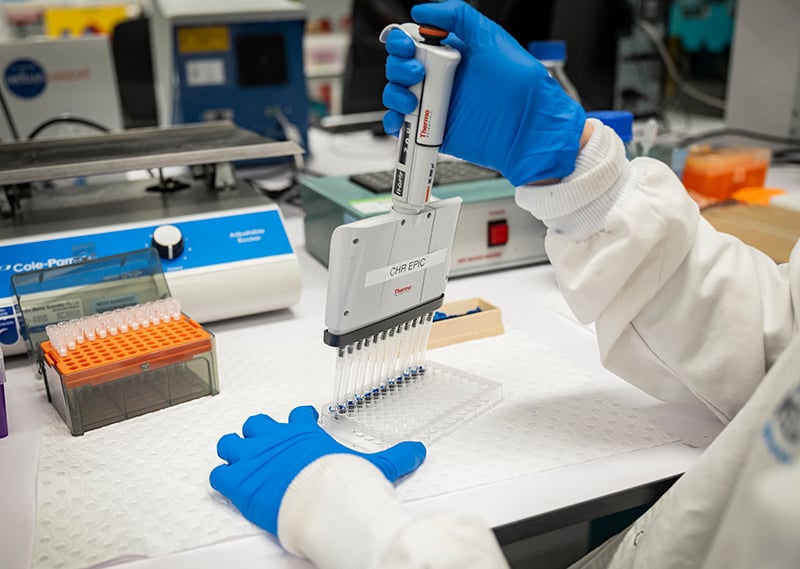
Researchers from The Kids Research Institute Australia have been awarded more than $11 million to support vital child health projects, under the Federal Government’s Medical Research Future Fund.
People with intellectual disability experience higher rates of physical and mental health problems than those without intellectual disability. Health literacy includes accessing, understanding, appraising and applying health information. Improving health literacy is associated with better health outcomes. The internet is a primary source of health information for many people. This study aimed to evaluate available online health resources for people with intellectual disability and their families to understand information gaps.
People with intellectual disability are at risk of poor physical and mental health. Risks to health are compounded by poor health literacy, that is, reduced capacity to access health services, respond quickly to changes in health status and navigate care pathways. Building health literacy skills is a strength-based way to increase health and optimise the use of healthcare services. The internet is a primary source of health information for many people, including people with intellectual disability and their families.
After a first alcohol-related hospitalisation in youth, subsequent hospitalisations may demonstrate an increased risk of further alcohol-related hospitalisations, but there is no existing data on this.
We explore the contemporary landscape of housing investments and initiatives seeking to improve health outcomes among Aboriginal and Torres Strait Islander people in Australia, as well as the dearth of quality evidence and agreed approaches to evaluation.
Funding from the Stan Perron Charitable Foundation will support world class researchers at The Kids Research Institute Australia to improve the health and wellbeing of WA children facing serious health challenges.
Self-reported experiences of adolescents in population-based samples when completing health-related surveys on topics with varying potential for evoking distres
To investigate the impact of regular exposure to paediatric medical trauma on multidisciplinary teams in a paediatric hospital and the relationships between...

Bushfires can have a considerable impact on our physical and mental health, with some symptoms lasting long after the blaze is extinguished. And our children are amongst the most vulnerable.