
Search
Showing results for "early lung health"
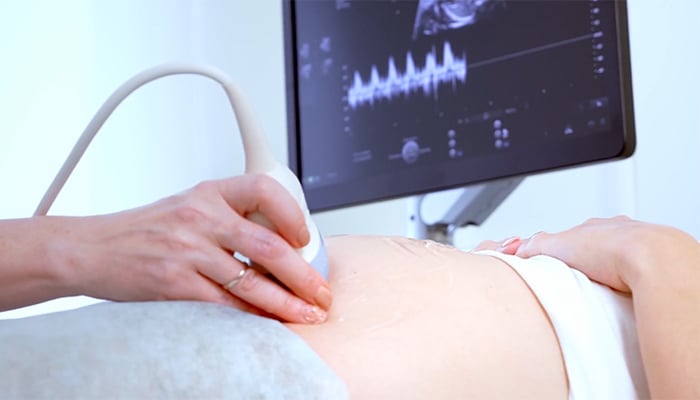
Most mums-to-be have never heard of CMV and the impact it can have on their unborn baby.
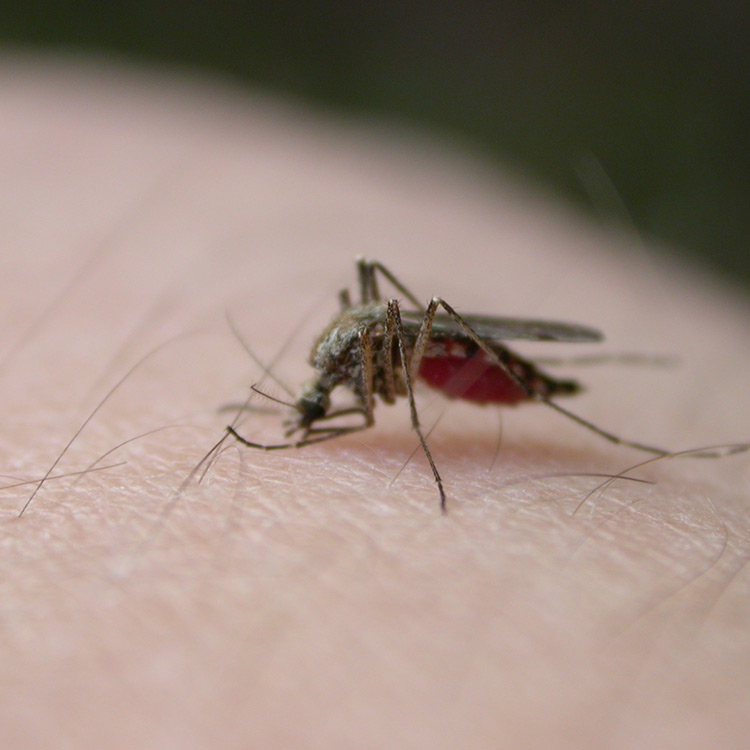
WA Researchers have conducted an Australian-first study to determine the prevalence of microcephaly, in preparation of any future outbreak of the Zika virus.
Research by The Kids has shown a significant decline in the risk of birth defects amongst WA children born using Assisted Reproductive Technology.
The Board of The Kids for Child Health Research tonight announced at its AGM that Professor Fiona Stanley would retire as Director
Cancer researchers at Perth's The Kids for Child Health Research have discovered a genetic pattern that predicts the likelihood of relapse
A state of the art 3D molecular imager that will help researchers monitor how brain tumours grow has been delivered to the Telethon Institute.
Perth researchers are about to begin testing of a new vaccine to protect against swine flu in children.
Researchers at Perth's Telethon Institute for Child Health Research say a new study that has found a possible association between parental occupations
The Board of The Kids for Child Health Research has confirmed that the Institute is planning to move to the QEII site.
A new study has found that more than half of West Australian women surveyed drank alcohol during pregnancy.