
Search
Showing results for "early lung health"
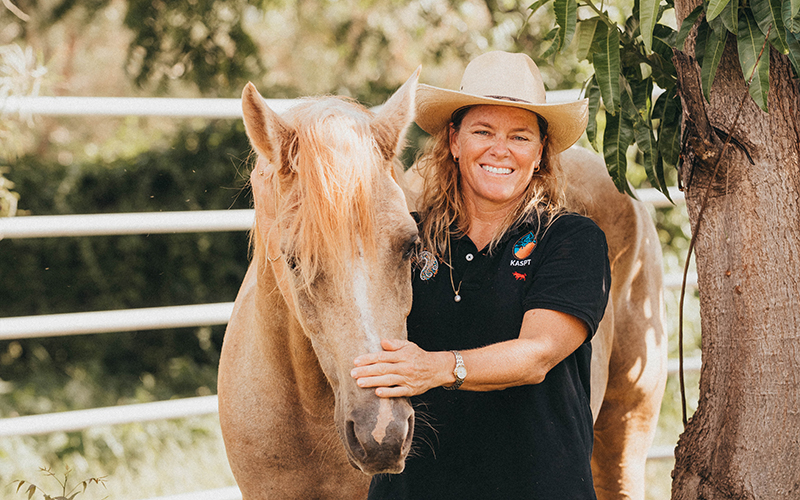
A trail-blazing Aboriginal-led program which uses equine-assisted learning to address the urgent needs of young Aboriginal people across the Kimberley has been given a major funding boost, thanks to a generous grant from Healthway.
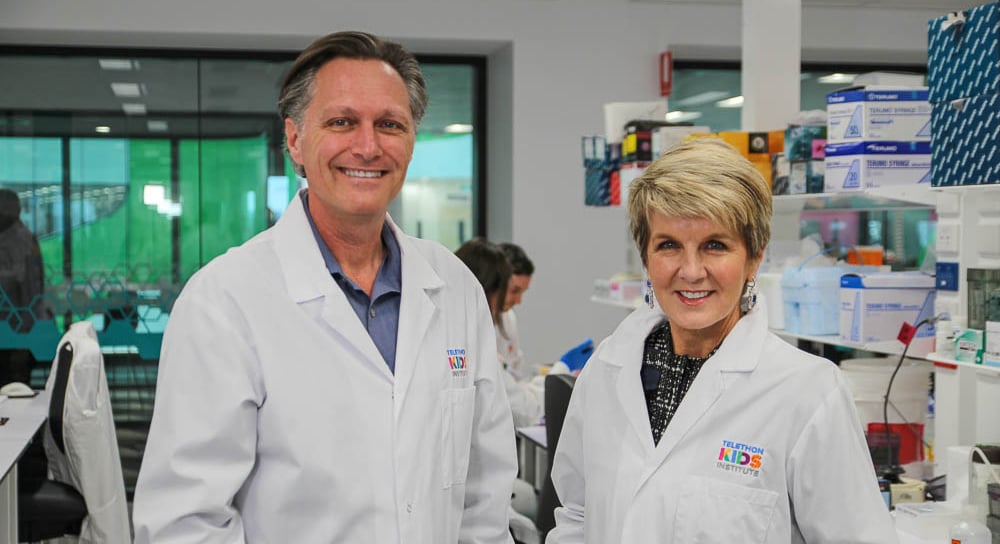
Former Australian Foreign Affairs Minister The Hon Julie Bishop will be the next Chair of Perth’s The Kids Research Institute Australia.
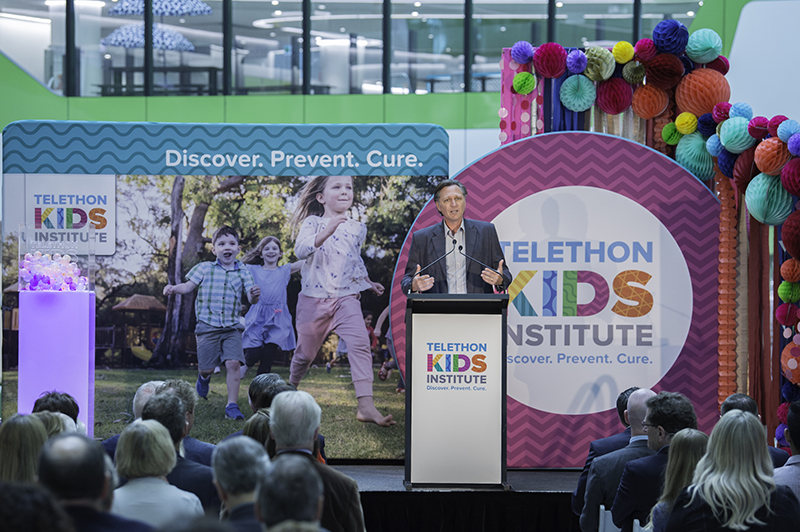
The Kids Research Institute Australia’s new state of the art research facility within the Perth’s Children’s Hospital (PCH) has officially opened its doors, paving the way for faster bench to bedside outcomes for children.

The effects of educational advantage or disadvantage get handed down through the generations according to a new study by researchers at the The Kids.
Wesfarmers will kick off Telethon 2013 with a $5 million donation over four years to establish the Wesfarmers Centre of Vaccines & Infectious Diseases.
he new super science of bioinformatics has been given a $1.3 million boost with the launch of the The McCusker Charitable Foundation Bioinformatics Centre
As our Key Relationships Officer, you will be responsible for developing key relationships with donors in support of the Institute’s research mission.
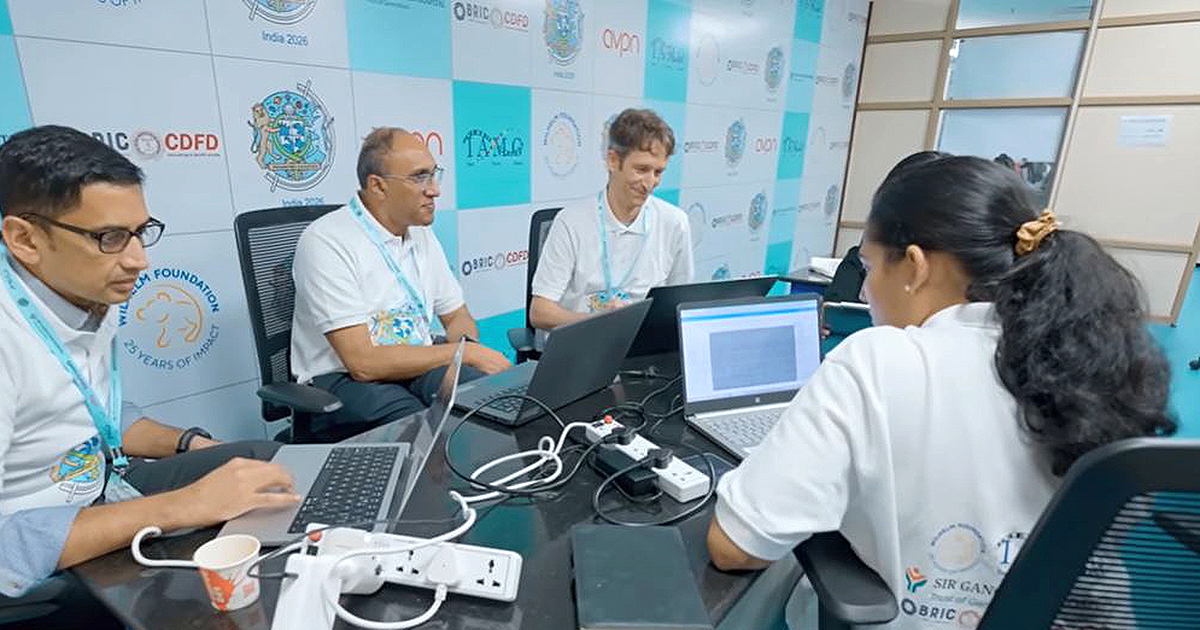
In 2026, Rare Disease Day is recognised on 28 February to raise awareness and generate change for people living with rare disease, their families and carers worldwide. This year’s global theme, More than you can imagine, highlights the immense impact of rare disease on families across the world.

A complex five-year experiment which cracked the code of a genetic mystery has paved the way for faster and more accurate diagnoses of the most rare and unknown diseases affecting children.
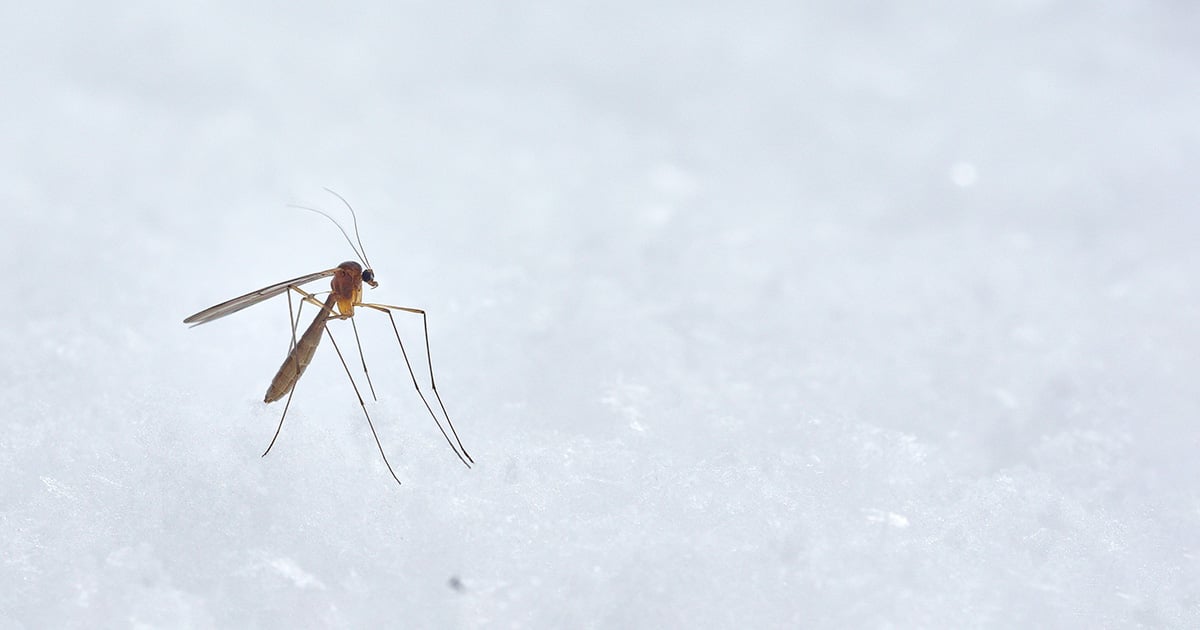
Disruptions of malaria case management caused by the COVID-19 pandemic likely contributed to an extra 76,000 malaria deaths in sub-Saharan Africa, according to analysis by The Kids Research Institute Australia and Curtin University.