
Search
Showing results for "aboriginal respiratory"
We will investigate the relationship between PCV coverage and VT carriage among undervaccinated children in Asia and the Pacific
Deborah Lea-Ann Peter Peter Ruth Lehmann Kirkham Jacoby Richmond Thornton AO, MBBS, MSc PhD BA (Hons) MSc MBBS MRCP(UK) FRACP PhD Honorary Emeritus
Risk factors for non-communicable diseases (NCDs, cardiovascular diseases, cancers, chronic respiratory diseases, diabetes, and mental disorders) arise in adolescence but are mostly framed as relevant to health in adulthood; little is known about the relationship between co-occurring NCD risks and mental wellbeing in young people.
This Research Note has explored the strengths, risks and potential complexity of adaptive trials
Aboriginal and Torres Strait Islander children continue to be removed at high rates from their families by child protection services, placing them at elevated risk of adverse long-term life outcomes. Cultural connection in out-of-home care is essential for mitigating the impacts of trauma from removal, emphasizing the importance of ensuring that cultural planning is rigorously undertaken. This article explores the provision of cultural plans in an era where out-of-home care services are outsourced by government, but where government holds onto the responsibility for developing cultural plans for children in care.
We observed an association between Type III DNA methyltransferase presence and Otitis Media-associated middle ear isolates
Influenza diagnosis codes had high specificity (98.6%) and modest positive predictive value (PPV; 84.1%) and sensitivity (86.1%) for a laboratory-confirmed...
Antimicrobials are the most commonly prescribed drug class in children. Overuse through inappropriate prescribing is a key driver of antimicrobial resistance and is recognized as one of the top 10 threats to global health by the World Health Organization.
Papua New Guinea (PNG) introduced the 13-valent pneumococcal conjugate vaccine (PCV13) in 2014, with administration at 1, 2, and 3 months of age. PCV13 has reduced or eliminated carriage of vaccine types in populations with low pneumococcal carriage prevalence, carriage density and serotype diversity.
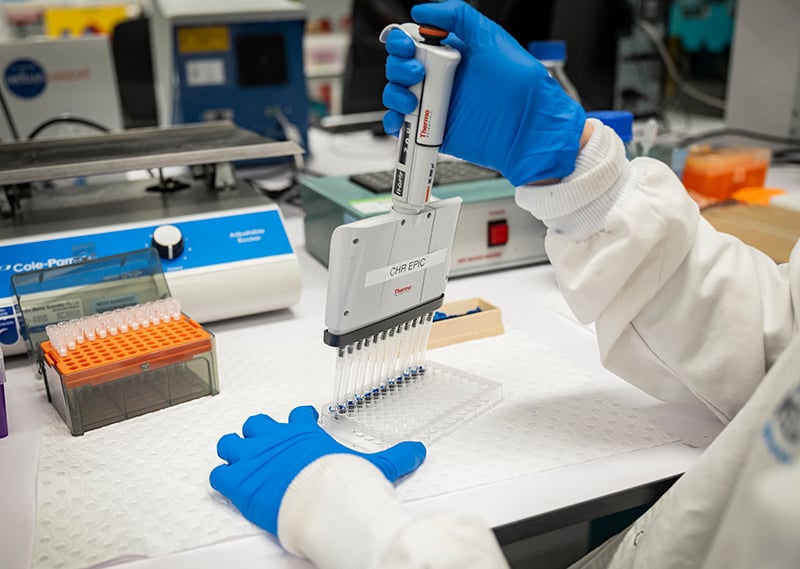
Researchers from The Kids Research Institute Australia have been awarded more than $11 million to support vital child health projects, under the Federal Government’s Medical Research Future Fund.