
Search
Showing results for "autism"
Eating disorders (EDs) are increasingly recognised among neurodivergent and transgender and gender diverse (TGD) individuals, yet most assessment and treatment models remain grounded in cisnormative and neuronormative assumptions and frameworks. Sensory processing, spanning interoception and exteroception, has been proposed as a potential factor that may help explain observed associations between neurodivergent traits, gender incongruence, and EDs.
We report two rare genetic aberrations in a schizophrenia patient that may act together to confer disease susceptibility.
It is well recognized that genetic disease makes a significant contribution to childhood illness. Here, we present recent population data describing...
To investigate the prevalence, trends, and characteristics of maltreatment and assault related hospital admissions and deaths among children

Biostatistician

Senior Program Manager, CliniKids
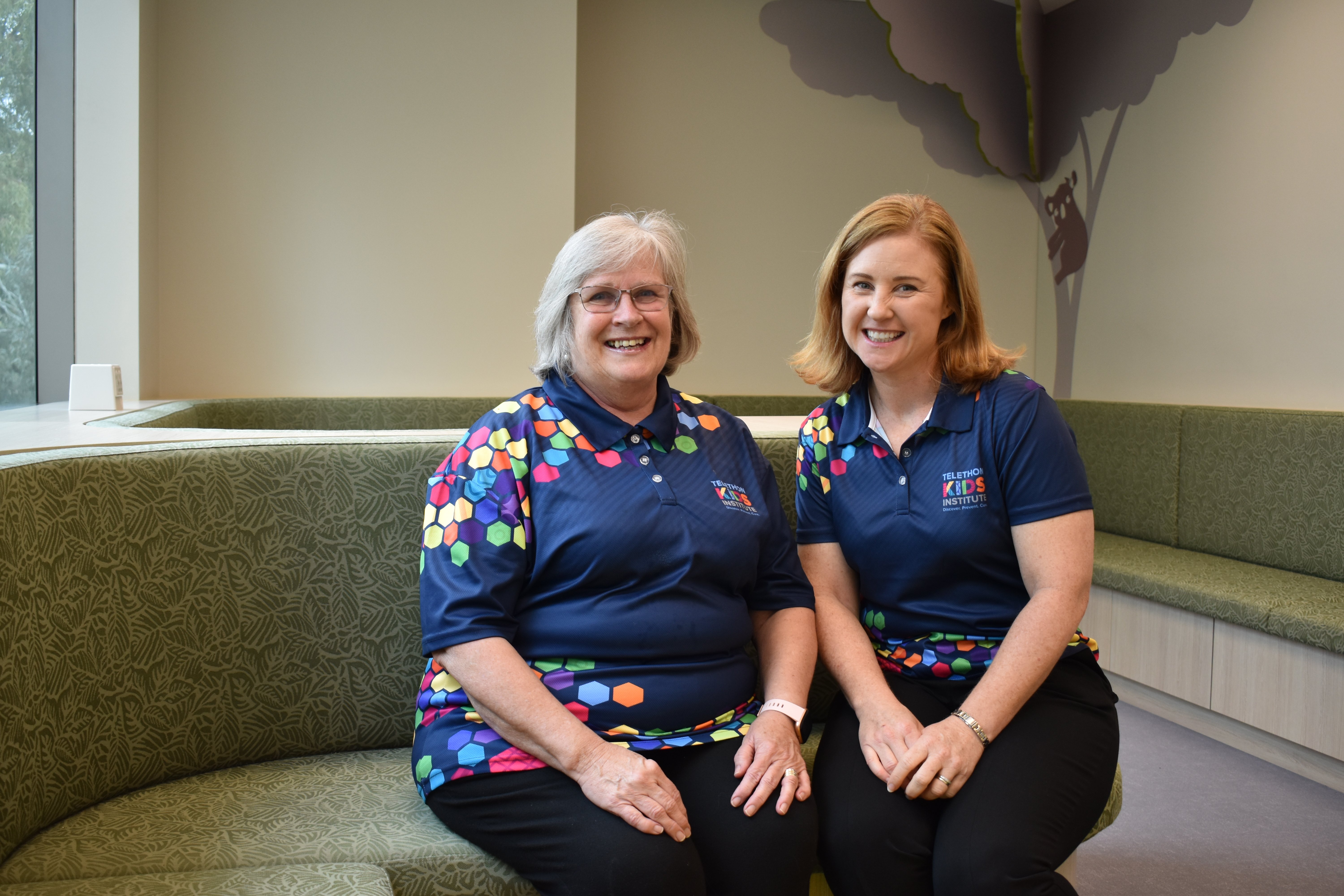
CliniKids recently welcomed Gayle, Tarryn and Emma to the clinical team. The clinicians will be located out our new Joondalup clinic, which will be welcoming families in Term 4.
These resources include the best available evidence about the course of Rett syndrome and its management as well as practical information about family associations, specialist clinical centres and links to relevant websites.
About 2 per cent of children are estimated to have an intellectual disability. The cause of the condition is unknown in at least 50 per cent of cases.

This series aims to provide some practical and evidence-based ideas to support your child and family.