
Search
Showing results for "clinical trials"
B-cell epitope mapping is an approach that can identify and characterise specific antigen binding sites of B-cell receptors and secreted antibodies. The ability to determine the antigenic clusters of amino acids bound by B-cell clones provides unprecedented detail that will aid in developing novel and effective vaccine targets and therapeutic antibodies for various diseases.
It is essential to embed patient and public perspectives into every stage of the research journey, including setting the future research agenda. The substantial gaps in our understanding of prematurity-associated lung disease presented a timely opportunity to determine the community's research priorities.
CDKL5 deficiency disorder (CDD) is a rare developmental and epileptic encephalopathy (DEE) associated with multiple impairments and comorbidities. Outcome measures for disease-modifying clinical trials for DEEs should measurably capture a spectrum of caregiver priorities and be externally validated.
CDKL5 deficiency disorder (CDD) is a rare developmental and epileptic encephalopathy. Greater understanding of the smallest meaningful improvements for individuals with CDD in clinical trials and practice is needed for a person-centred approach to treatment efficacy. This study explored how parent/caregivers of people with CDD understood meaningful improvements and described change for priority functional domains including communication, gross motor, fine motor, feeding.
The Pre-school Osteoarticular Infection (POI) study aimed to describe the burden of disease, epidemiology, microbiology and treatment of acute osteoarticular infections (OAI) and the role of Kingella kingae in these infections.
The framework for appropriately identifying and managing at-risk pregnant and lactating women requiring PrEP is poorly defined
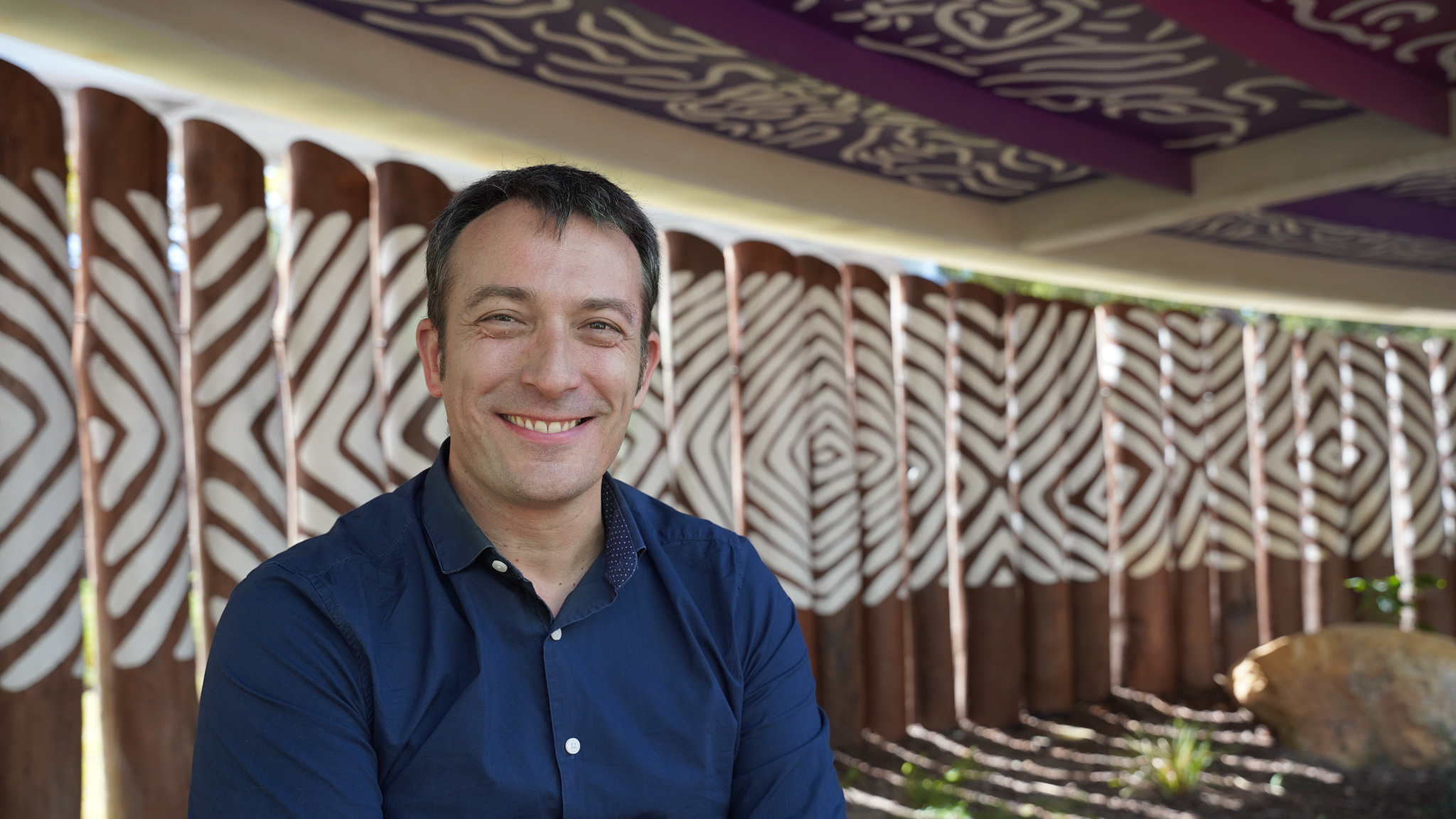
Dr Sébastien Malinge has received a Stan Perron Charitable Foundation Research Fellowship for his pioneering research, which is paving the way for safer, targeted therapies for children with hard-to-treat leukaemia
Asha Bowen BA MBBS DCH FRACP PhD GAICD FAHMS OAM Head, Healthy Skin and ARF Prevention Head, Healthy Skin and ARF Prevention Areas of expertise: Skin
Here we review the metabolic effects of exposure to ultraviolet radiation, focusing on the effects of phototherapies
Caregiver-mediated supports in general have shown mixed evidence for enhancing language outcomes in infants at higher likelihood of autism. While caregivers play a substantial role in caregiver-mediated supports, little is known about whether caregivers' own subclinical autistic features - known as broader autism phenotype - may moderate infant language outcomes.