Search
Showing results for "vaping"
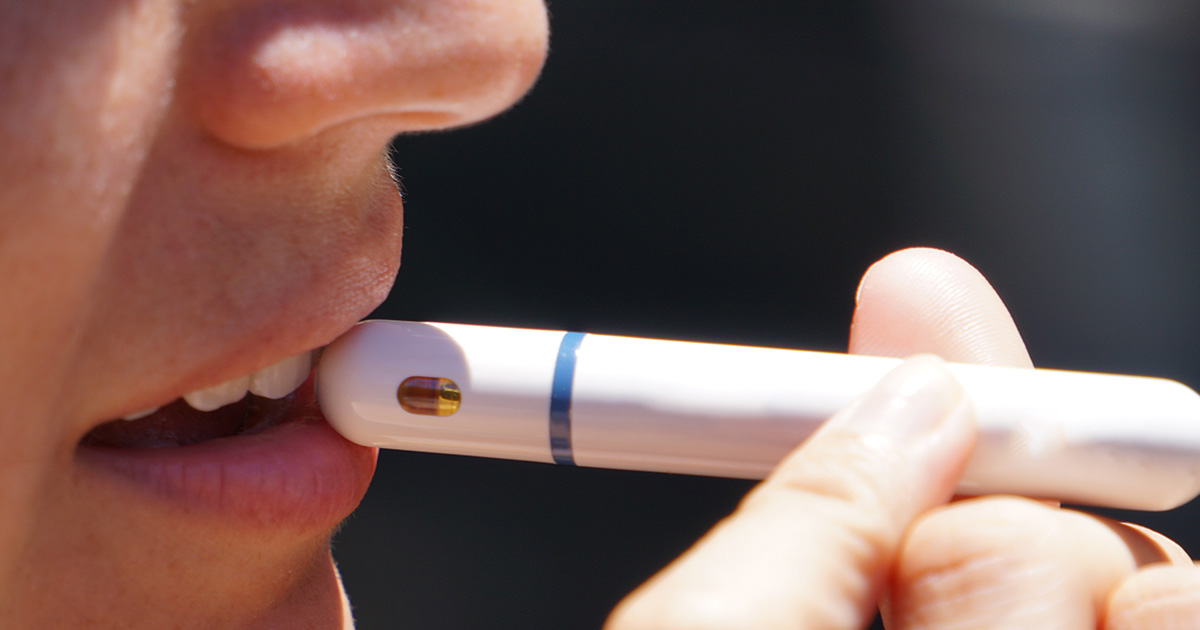
Research into the potential health impacts of vaping is starting to back up concerns that electronic cigarettes (e-cigarettes) are not as benign as many people think.
Researchers from The Kids Research Institute Australia and Cancer Council WA will team up on two projects aimed at identifying the most effective public health messaging for young people around SunSmart behaviours and how to stop vaping.
Alexander Larcombe BScEnv (Hons) PhD Honorary Research Fellow Honorary Research Fellow Associate Professor Alexander Larcombe began work at The Kids
The Kids Research Institute Australia strongly supports the Federal Government’s announcement today to introduce a suite of reforms aimed at banning non-prescription vaping products in Australia.
Electronic cigarette use, especially among younger members of society, has grown to concerning levels in many countries, including Australia and New Zealand. Uptake in the general population, driven by technological and pharmacological innovations, and accelerated by aggressive tobacco/vaping industry marketing, has outpaced medical research.
Senior Research Officer
This study aimed to provide a first-ever comprehensive epidemiology of vaping behaviours among Australian gender and sexuality diverse (LGBTQA+) youth.
The Kids Research Institute Australia welcomes the Federal Government's stringent vaping reforms that took effect on 1 July 2024.
Teachers are responsible for children at school during peak ultraviolet (UV) times of the day. It is paramount that teachers have knowledge and understanding of UV to effectively protect themselves and their students. The aim of this pilot study was to investigate the effect of a short intervention on preservice teachers’ sun protective behaviours, knowledge and perceived skill to teach sun safety.
Teachers play a vital role in developing children's sun protection routines however upskilling preservice teachers (PSTs) while at university has not yet been trialled as a targeted skin cancer prevention strategy. Hence, this study investigated PSTs perceptions and experiences of sun safety following a brief pilot intervention and placement in primary schools in Western Australia.