
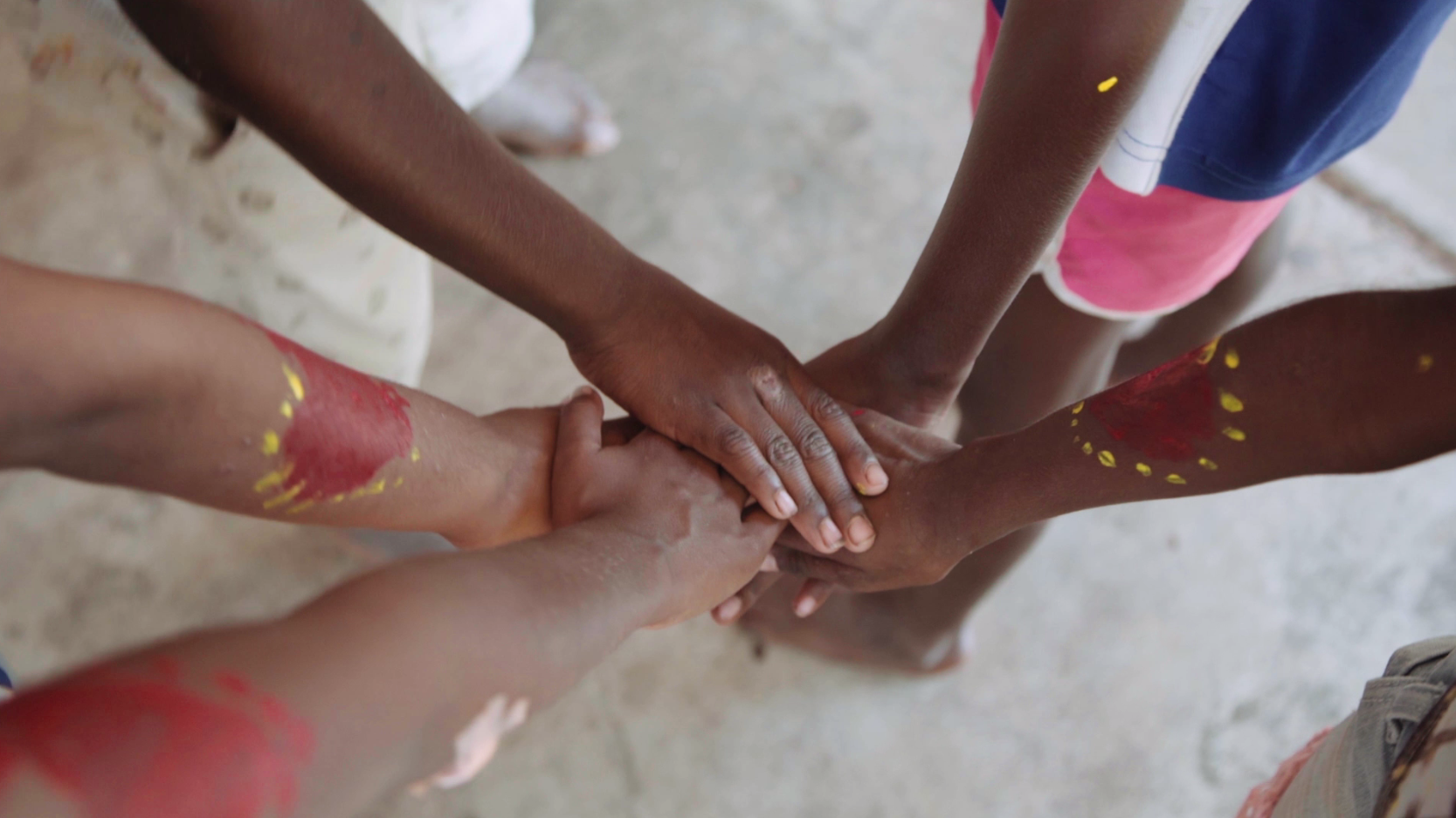
Research teams led by The Kids Research Institute Australia have been awarded $3.75 million to support two innovative projects – one focused on pione…

Several The Kids Research Institute Australia researchers will share in more than $7.5 million in prestigious Investigator Grants to pursue a range o…
Esophageal squamous cell carcinoma (ESCC) is a prevalent malignant tumor of the digestive tract with a low 5-year survival rate due to the lack of ef…
Streptoccocal A (Strep A, GAS) infections in Australia are responsible for significant morbidity and mortality through both invasive (iGAS) and post-…
Patients who exhibit high systemic inflammation after cardiac surgery may benefit most from pre-emptive anti-inflammatory treatments. In this seconda…
Food allergy is a major public health challenge in Australia. Despite widespread uptake of infant feeding and allergy prevention guidelines the incid…
A Cochrane 2016 review indicated cycled light might benefit neonatal health in hospital. We systematically reviewed chronobiological factors for neon…
While advancements in the treatment of diabetes continue to rapidly evolve, many of the newer technologies have financial barriers to care, opposing…
The Perth Empathy Scale (PES) is a 20-item self-report questionnaire that assesses people's ability to recognize emotions in others (i.e., cognitive…