Skip to content
The Kids Research Institute Australia logo
Donate

Search

Research

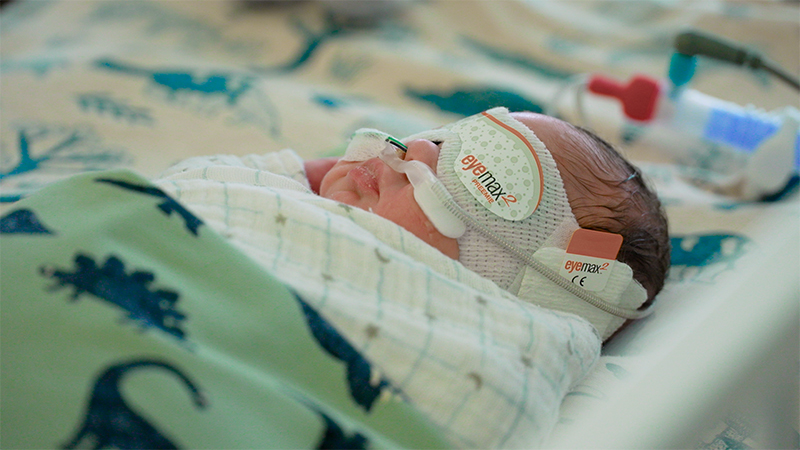
Prematurity-associated lung disease: is it asthma?

Shannon Elizabeth Simpson Smith BMedSci (hons), PhD PhD, MSc, BSc Head, Strong Beginnings Research, Co-head Foundations of Lung Disease Program

Research

Barriers and facilitators to mental health treatment access and engagement for LGBTQA+ people with psychosis: a scoping review protocol

The prevalence of psychosis has been shown to be disproportionately high amongst sexual and gender minority individuals. However, there is currently little consideration of the unique needs of this population in mental health treatment, with LGBTQA+ individuals facing barriers in accessing timely and non-stigmatising support for psychotic experiences. 

Research

Validation and Application of a Dried Blood Spot Amoxicillin Assay

Dried blood spot (DBS) antibiotic assays can facilitate pharmacokinetic (PK) investigations in situations where venous blood sampling is logistically and/or ethically challenging. The aim of this study was to establish, validate and demonstrate the application of a DBS amoxicillin assay for PK studies in vulnerable populations.

Research

Atypical Antipsychotic Prescribing in Australian Children and Adolescents: A Survey of Medical Practitioners

Prescriptions for atypical antipsychotics in children and adolescents are increasing globally. However, a precise understanding of the clinical variables and evidence that prescribers consider before using these agents is lacking. 

Research

Childhood Cancer Incidence and Survival in South Australia and the Northern Territory, 1990–2017, with Emphasis on Indigenous Peoples

Reports of a rise in childhood cancer incidence in Australia and globally prompted the investigation of cancer incidence and survival in South Australia and the Northern Territory over a 28-year period, with emphasis on Indigenous peoples.

Research

Caregiver Perspective of Benefits and Side Effects of Anti-Seizure Medications in CDKL5 Deficiency Disorder from an International Database

CDKL5 deficiency disorder presents as a challenging condition with early-onset refractory seizures, severe developmental delays, and a range of other neurological symptoms. Our study aimed to explore the benefits and side effects of anti-seizure medications in managing seizures among individuals with CDKL5 deficiency disorder, drawing on data from the International CDKL5 Disorder Database.  

Research

Population-level 5-year event-free survival for children with cancer in Australia

Event-free survival considers other adverse events in addition to mortality. It therefore provides a more complete understanding of the effectiveness and consequences of treatment than standard survival measures, but is rarely reported at the population level for childhood cancer.

Research

Identifying barriers and facilitators for the effective diagnosis and provision of primary health care for otitis media from the perspective of carers of Aboriginal children

To identify the barriers and facilitators for timely detection and optimal management of otitis media in Aboriginal children in a primary care setting from the perspective of carers of Aboriginal children. 

Research

Intervention effect of targeted workplace closures may be approximated by single-layered networks in an individual-based model of COVID-19 control

Individual-based models of infectious disease dynamics commonly use network structures to represent human interactions. Network structures can vary in complexity, from single-layered with homogeneous mixing to multi-layered with clustering and layer-specific contact weights. Here we assessed policy-relevant consequences of network choice by simulating different network structures within an established individual-based model of SARS-CoV-2 dynamics.

Research

Down syndrome-associated leukaemias: current evidence and challenges

Children with Down syndrome (DS) are at increased risk of developing haematological malignancies, in particular acute megakaryoblastic leukaemia and acute lymphoblastic leukaemia. The microenvironment established by abnormal haematopoiesis driven by trisomy 21 is compounded by additional genetic and epigenetic changes that can drive leukaemogenesis in patients with DS.