
ORIGINS is an interventional cohort study, meaning participants receive timely feedback and an action plan to address any potential abnormalities.

An audit of outdoor food advertising near Perth schools has found that three-quarters of the promotions were for junk food and alcohol.
This study explored the extent to which disaggregated support from family, peers, close friendships, teachers, and schools predicted membership into…
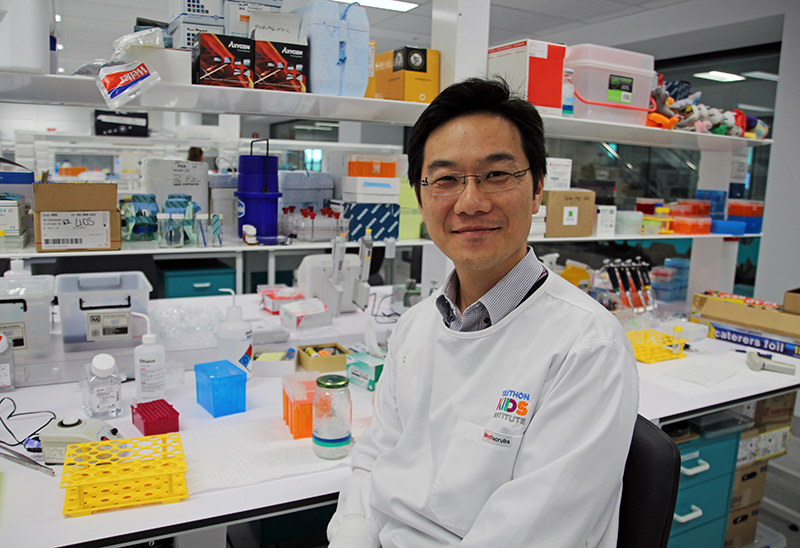
Dr Laurence Cheung is doing everything he can to end the threat of childhood leukemia. His research has the potential to change countless lives, but…
Building a local evidence base for change
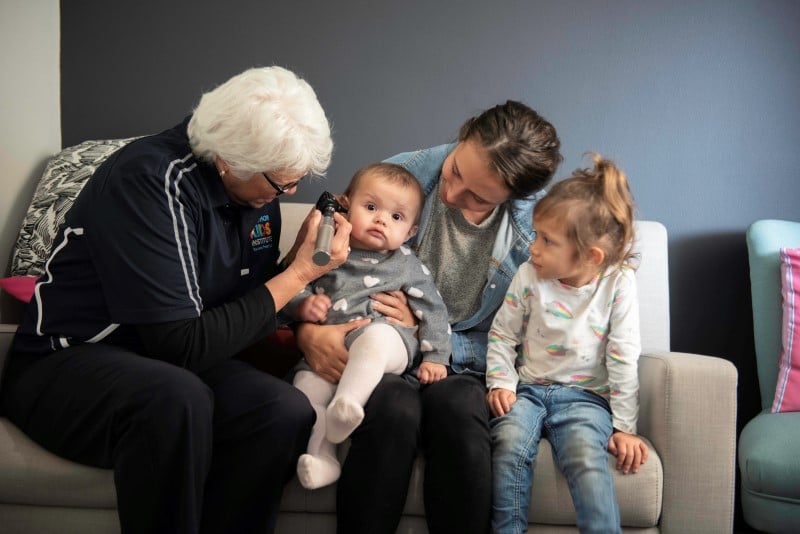
The Wesfarmers Centre of Vaccines and Infectious Diseases has appointed Mrs Valerie Swift to a newly created Aboriginal Cultural Guidance Advisor pos…
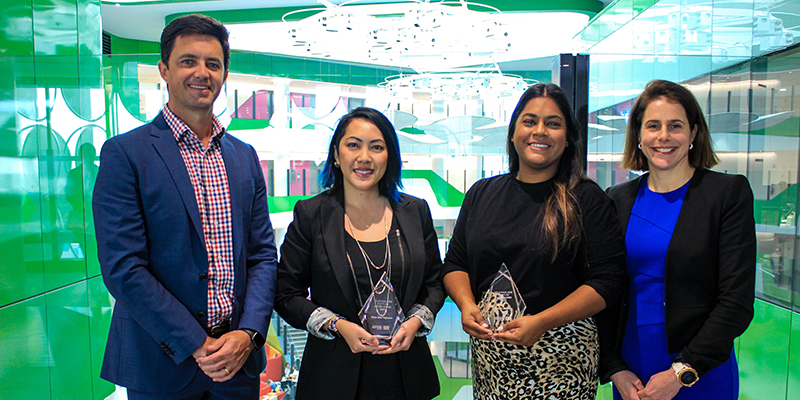
Two of The Kids Research Institute Australia’s best and brightest will share in $10,000 of funding to use for investment in their professional growth…

Our researchers want to know if starting a gluten-free diet reduces daily glycaemic variability in children and young people with both type 1 diabete…