
Higher IDO and ARG expression in clinically isolated syndrome and multiple sclerosis provides one sustained homeostatic mechanism to control multiple…
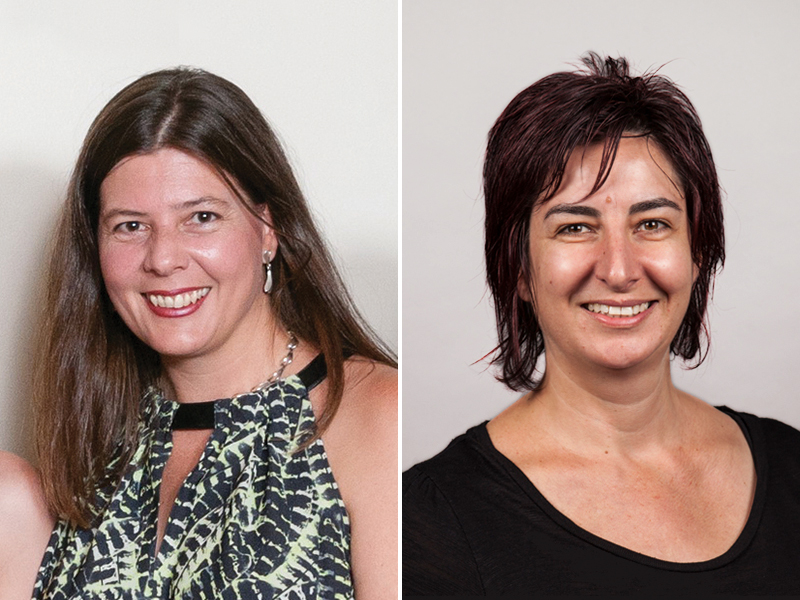
Two leading The Kids Research Institute Australia researchers will use more than $1.1 million in National Health and Medical Research Council funding…
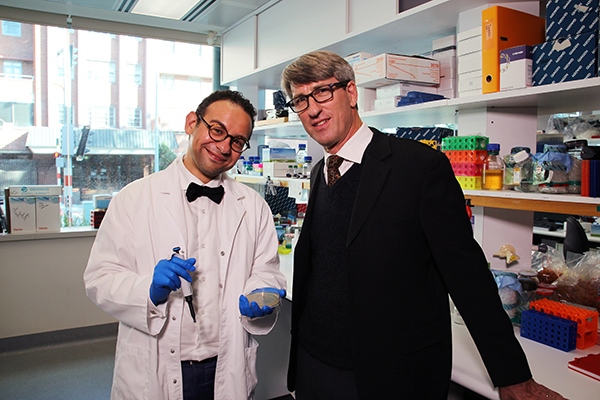
The Kids Research Institute Australia and WA pharmaceuticals company Boulos and Cooper have signed a $685,000 agreement to develop what could be the…

A new program that uses cutting edge stem cell techniques to repair lung damage in children will be established at The Kids Research Institute Austra…
Teenage years can be a challenging time for families, a period made all the more difficult if a child has Type 1 Diabetes.
Ten-year-old Jazmyn Kalin’s diabetes journey may have only just begun but she is taking it all in her stride, administering her own insulin needles a…
This is a randomised controlled home trial to test the MiniMed Medtronic 670G system in people with type 1 diabetes aged 12-25 years
The co-exposure responses in the Th2high BN incorporated type I interferon/Th1, alternative macrophage activation/Th2 and Th17 signatures
Skin exposure to ultraviolet radiation alters the faecal microbiome, and further investigations to explore the implications of this in health and dis…
The major hypothesis of this study is that acute tryptophan depletion will be negatively associated with mood and cognitive functioning