Reports and Findings
Research
Plasma Metabolite Profiles of Children with Autism Spectrum DisorderAutism spectrum disorder (ASD), a neurodevelopmental condition characterised by social and communication differences, is complex and aetiologically heterogeneous. Untargeted metabolomics is emerging as a tool in screening for biochemical abnormalities. This research was conducted using the Australian Autism Biobank resource and involved analysis of plasma metabolites to characterise metabolite differences between autistic children and controls.
Research
Trends in incident acute rheumatic fever or rheumatic heart disease in Indigenous youth in Western Australia: a retrospective cohort studyTo determine age-specific and age-standardised incidence trends of acute rheumatic fever (ARF) or rheumatic heart disease (RHD) among Indigenous Western Australians aged less than 35 years of age.
Research
Beyond bone: the emerging role of osteoclasts in immune regulation, leukemia development and following myeloablative therapyOsteoclasts are important regulators of bone remodeling, with an established role in maintaining skeletal homeostasis. The emergence of osteoimmunology has identified osteoclasts as key players in the immune system. In particular, osteoclasts can initiate bi-directional crosstalk mechanisms with hematopoietic stem cells and various immune cells, such as T cells, B cells and NK cells, to influence hematopoiesis and inflammatory response.
Research
Minimising antibiotic use through prevention of childhood ear infectionsOtitis media (OM), or middle ear infection, is one of the most common childhood illnesses globally. In Australia, OM remains a leading cause of antibiotic prescriptions in children, despite growing awareness of antimicrobial resistance (AMR) and the need for stewardship. Preventing OM not only reduces the burden of disease but also plays a critical role in curbing unnecessary antibiotic use and slowing the rise of AMR.
Research
The United Nations convention on rare diseases—A framework for research prioritizationCitation: Junaid M, Downs J, Groza T, Lassmann T, Baker S, et al. The United Nations convention on rare diseases—A framework for research prioritization. Front Public Health. 2025;13. Keywords: Orphan drug; rare disease (RD); rare disease diagnosis;
Research
Histone methyltransferase PRDM9 promotes survival of drug-tolerant persister cells in glioblastomaChemotherapy often kills a large fraction of cancer cells but leaves behind a small population of drug-tolerant persister cells. These persister cells survive drug treatments through reversible, non-genetic mechanisms and cause tumour recurrence upon cessation of therapy. Here, we report a drug tolerance mechanism regulated by the germ-cell-specific H3K4 methyltransferase PRDM9.
Research
Methicillin-resistant Staphylococcus aureus and vancomycin-resistant Enterococcus faecium infections in children in the Oceania regionAntimicrobial resistance poses a significant threat to children's health, with up to 20% of 1.27 million deaths attributable to bacterial AMR annually, occurring in children <5 years. The WHO 2024 Bacterial Priority Pathogens List identifies methicillin-resistant Staphylococcus aureus (MRSA) and vancomycin-resistant Enterococcus faecium (VRE) as critical pathogens. This review examines the epidemiology, treatment recommendations, dosing strategies, efficacy, and safety data for antibiotics targeting MRSA and VRE infections in children in Oceania.
Research
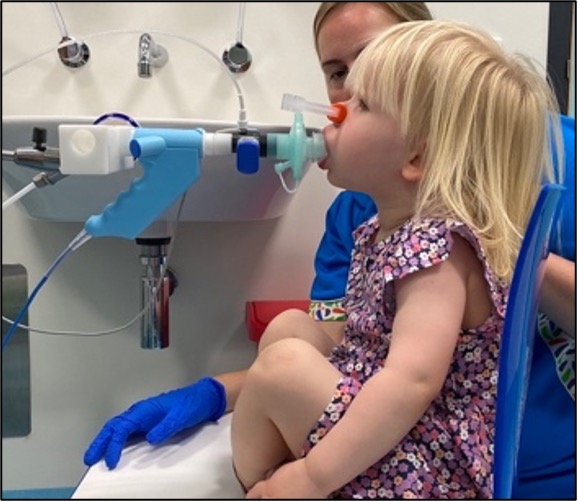
A primary cell model of the very preterm epithelium reveals barrier defects at 1 year of ageLimited evidence suggests that airway epithelial structure and function is disrupted in very preterm infants; however, the epithelial morphology and physiology has not been well characterised following discharge from neonatal intensive care. This study aimed to characterise the nasal airway epithelium from 1-year-old survivors of very preterm birth.
Research
Factors Associated With Rare Pediatric Cancer Trial Enrollment: A Report From the Children's Oncology Group Rare Tumors CommitteeOver 90% of US children with cancer are treated at Children's Oncology Group (COG) centers, which seek to maximize enrollment in therapeutic and biobanking studies. Rare cancers have demonstrated lower than expected COG enrollment. We evaluated trends in COG rare cancer enrollment compared to US incidence from Surveillance, Epidemiology, and End Results (SEER) registries, examining the impact of COG therapeutic trials and Project:EveryChild, a cancer biobank/registry.
Research
Evolution of islet autoantibodies in the Environmental Determinants of Islet Autoimmunity (ENDIA) prospective cohortIslet autoantibodies herald early type 1 diabetes. However, less is known of the evolution of autoantibodies to the islet autoantigen ZnT8. Our primary aim was to characterise the development of islet autoantibodies in a pregnancy-birth at-risk cohort and to provide new knowledge about ZnT8A.