
Search
Showing results for "early lung health"
This study measured use and cost of health sector and related services in Rett syndrome and effects of socio-demographic, clinical severity and genetic factors
This project aims to investigate the long-term impacts of top surgery – a term encompassing both chest reconstructive surgery and breast augmentation – on gender dysphoria, mental health, well-being and quality of life in trans and gender diverse individuals.
This study aimed to determine how pulmonary inflammation & infection impacts on ventilation distribution throughout early life in people with cystic fibrosis.
Indigenous children in colonised nations experience high rates of health disparities linked to historical trauma resulting from displacement and dispossession, as well as ongoing systemic racism. Skin infections and their complications are one such health inequity, with the highest global burden described in remote-living Australian Aboriginal and/or Torres Strait Islander (hereafter respectfully referred to as Aboriginal) children. Yet despite increasing urbanisation, little is known about the skin infection burden for urban-living Aboriginal children.
Public health measures targeting coronavirus disease 2019 have potential to impact transmission of other respiratory viruses. We found 98.0% and 99.4% reductions in respiratory syncytial virus and influenza detections, respectively, in Western Australian children through winter 2020 despite schools reopening. Border closures have likely been important in limiting external introductions.
Systematic review of the treatment, prevention and public health control of skin infections in resource-limited settings where skin infections are endemic
The proportion of children and adolescents in Australia with mental disorders who used services for emotional and behavioural problems
Alexander Larcombe BScEnv (Hons) PhD Honorary Research Fellow Honorary Research Fellow Associate Professor Alexander Larcombe began work at The Kids
CREAHW is a program of intervention research focused on achieving sustainable change for the Aboriginal community & improving the lives of Aboriginal people.
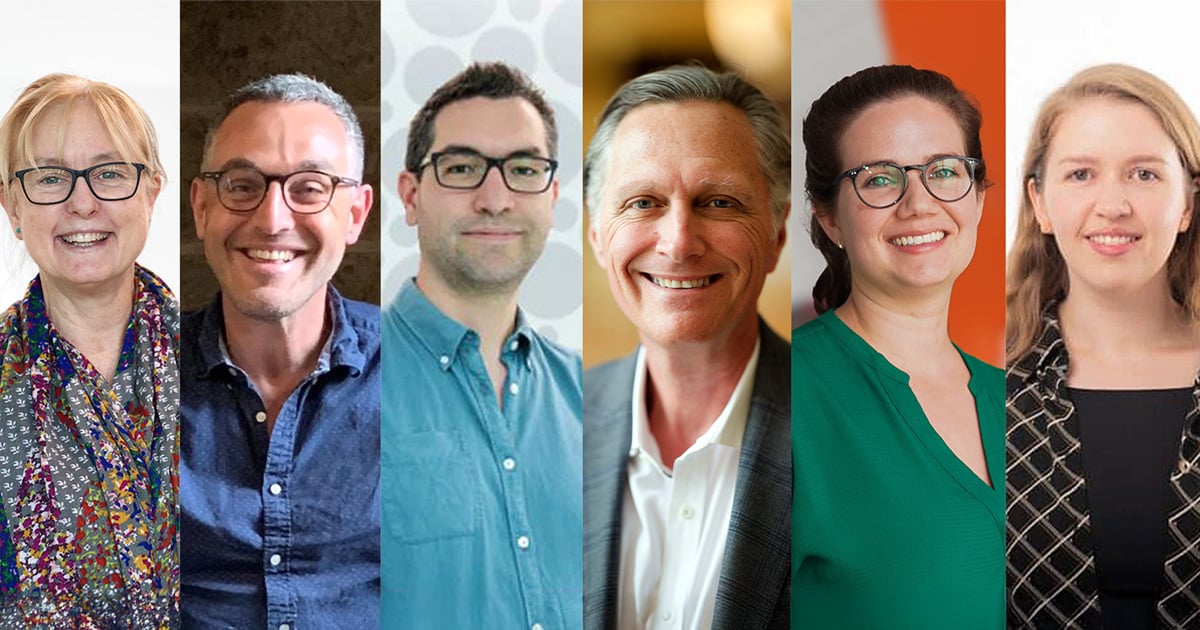
Six researchers from The Kids Research Institute Australia have been awarded $8.9 million in prestigious Investigator Grants from the National Health and Medical Research Council.