Skip to content
The Kids Research Institute Australia logo
Donate

Search

Research

Traditional Beliefs, Practices, and Migration: A Risk to Malaria Transmission in Rural Nepal

The study aimed to explore sociocultural factors influencing the risk of malaria and practices and beliefs towards malaria prevention, transmission and treatment in a remote village in Khatyad Rural Municipality (KRM) of Nepal. A sequential exploratory mixed methods approach was used.

Research

Improving disease surveillance data analysis, interpretation, and use at the district level in Tanzania

An effective disease surveillance system is critical for early detection and response to disease epidemics. This study aimed to assess the capacity to manage and utilize disease surveillance data and implement an intervention to improve data analysis and use at the district level in Tanzania.

Research

Feasibility of upper airway collapsibility measurements in anesthetized children

Patients with a propensity for upper airway obstruction, including those with obstructive sleep apnea (OSA), are vulnerable in the perioperative period. OSA is an increasingly common disorder in children and, when present, is associated with an increased risk of perioperative respiratory adverse events (PRAE),1 morbidity, and mortality. Therefore, identifying at-risk patients is vital to provide tailored perioperative anesthetic management.

Research

Diabetic Ketoacidosis at Onset of Type 1 Diabetes and Long-term HbA1c in 7,961 Children and Young Adults in the Australasian Diabetes Data Network

The relationship between diabetic ketoacidosis (DKA) at diagnosis of type 1 diabetes and long-term glycemic control varies between studies. We aimed, firstly, to characterize the association of DKA and its severity with long-term HbA1c in a large contemporary cohort, and secondly, to identify other independent determinants of long-term HbA1c.

Research

Victim-Survivors, Family and Domestic Violence Service Providers and Support People: Identification of Priority Issues for Research and Translation into Policy and Practice

The rates of family and domestic violence (FDV) remain significantly high in Australia, and to address this, we need to ensure that victim-survivors of FDV are at the centre of these efforts. The research objective was to determine priority issues for future research and policy in FDV as determined by victim-survivors of FDV, providers of FDV services and informal support people.

Research

The COVID-19 Pandemic Affects Seasonality, With Increasing Cases of New-Onset Type 1 Diabetes in Children, From the Worldwide SWEET Registry

To analyze whether the coronavirus disease 2019 (COVID-19) pandemic increased the number of cases or impacted seasonality of new-onset type 1 diabetes (T1D) in large pediatric diabetes centers globally.

Research

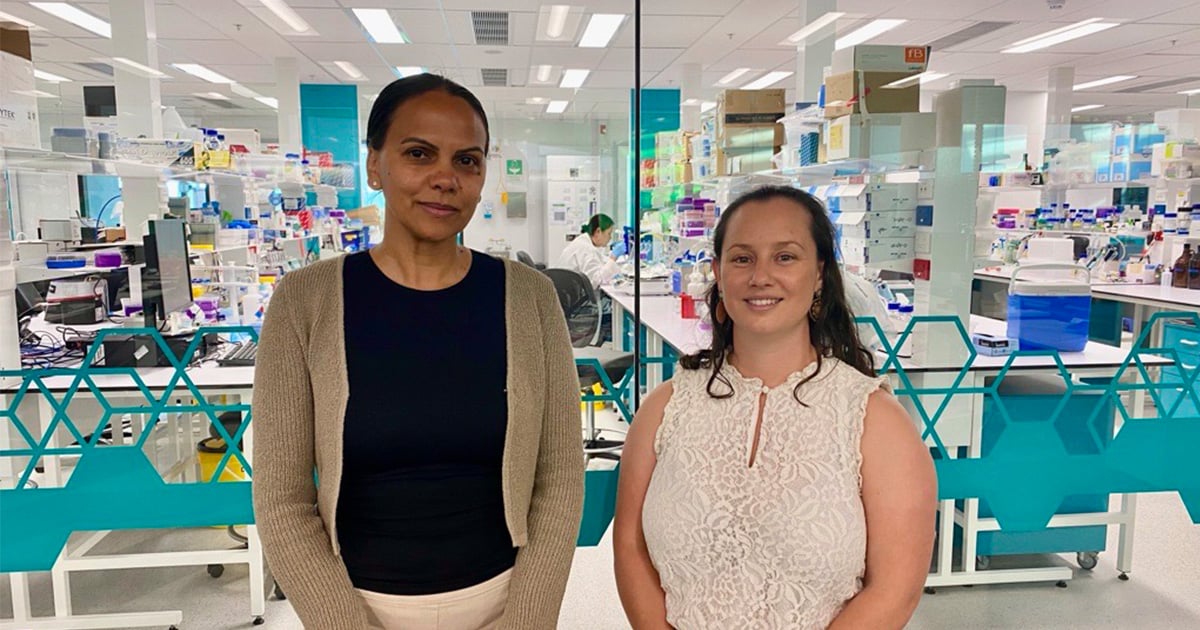
Getting to the heart of the matter: a research partnership with Aboriginal women in South and Central Australia

Within the vast majority of qualitative health research involving Indigenous populations, Indigenous people have been marginalised from research conceptualisation and conduct. This reflects a lack of regard for Indigenous ways of knowing, being, and doing, has served to perpetuate deficit narratives of Indigenous peoples’ health and wellbeing, and contributes to failure in addressing inequities as a result of ongoing colonisation and institutionalised oppression and racism.

Research

Lifting the curtains of silence: Patient perceptions towards needs and responsibilities in contributing to the prevention of healthcare-associated infections and antimicrobial resistance

Beyond the use of policy and system-focused approaches, it has been established globally that patients can play a role in enhancing the health care landscape. However, efforts to meaningfully translate patient engagement strategies that promote participation by hospitalized patients in relevant infection prevention and antimicrobial stewardship activities have not yet been realized. This study mapped the key factors acting as barriers and facilitators of patient engagement using a theoretical framework to identify potential new approaches to promote engagement.

Research

Impact of the COVID-19 pandemic on long-term trends in the prevalence of diabetic ketoacidosis at diagnosis of paediatric type 1 diabetes: an international multicentre study based on data from 13 national diabetes registries

An increased prevalence of diabetic ketoacidosis at diagnosis of type 1 diabetes in children was observed in various diabetes centres worldwide during the COVID-19 pandemic. We aimed to evaluate trends in the prevalence of diabetic ketoacidosis at diagnosis of paediatric type 1 diabetes before and during the COVID-19 pandemic, and to identify potential predictors of changes in diabetic ketoacidosis prevalence during the pandemic.

Research

Trending now: modelling global epidemiology of type 1 diabetes in children and adolescents

Type 1 diabetes, one of the common chronic conditions in children and adolescents, is a serious lifelong condition requiring daily treatment with exogenous insulin for survival. Descriptive epidemiology is important for planning of adequate diabetes health-care provision and could provide clues to aetiology. Over the past few decades, standardised diabetes incidence registries have provided a wealth of data from selected countries.