
Search
Showing results for "lung disease preterm"
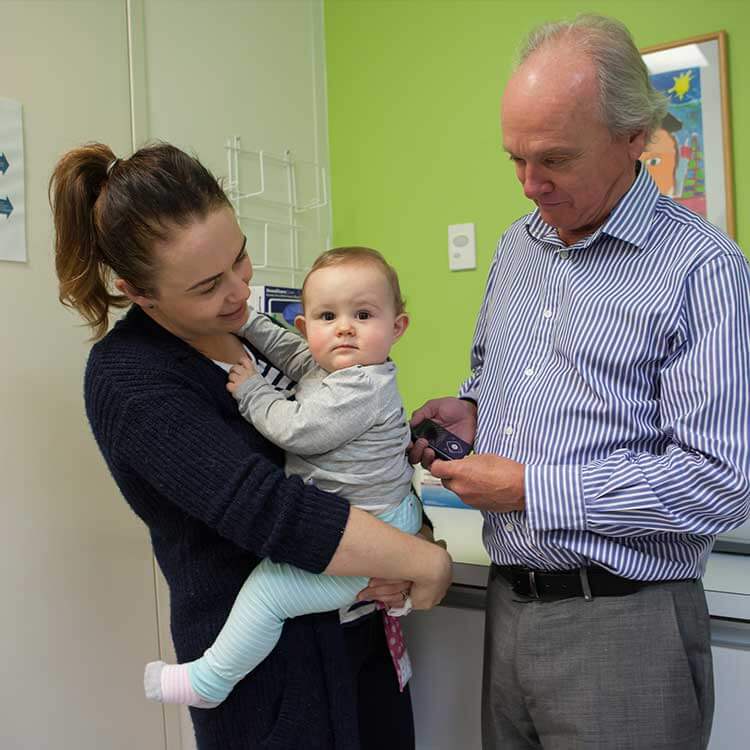
What would you discover to help a child? At The Kids, our researchers are committed to Type 1 Diabetes research that makes a real difference.
Tom Snelling BMBS DTMH GDipClinEpid PhD FRACP Head, Infectious Disease Implementation Research 08 6319 1817 tom.snelling@thekids.org.au Head,
Tom Snelling BMBS DTMH GDipClinEpid PhD FRACP Head, Infectious Disease Implementation Research 08 6319 1817 tom.snelling@thekids.org.au Head,
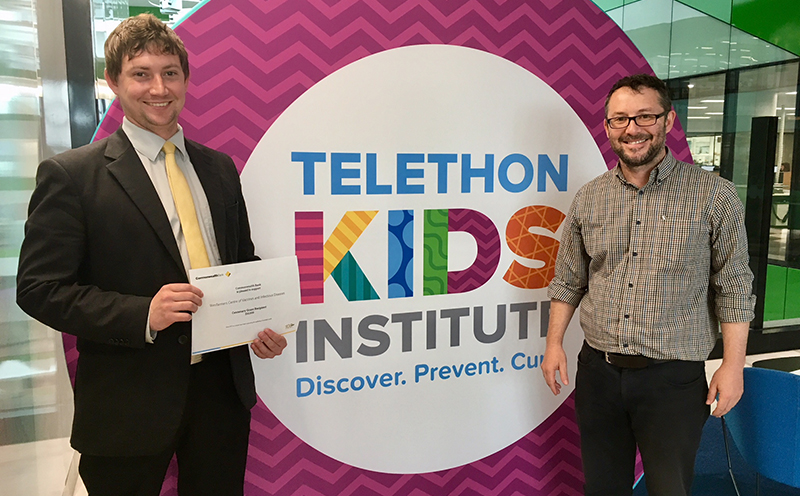
A close call with meningococcal disease ignited a passion in Iain Buchan to do whatever he can to keep WA children safe from life-threatening infectious diseases.
We evaluated the frequency of moderate and severe adverse events following coadministration of seasonal influenza vaccine (SIV) versus placebo with COVID-19 vaccines among adults to support practice guidelines.
Globally, acute respiratory infections (ARIs) are a leading cause of childhood morbidity and mortality. While ARI-related mortality is low in Australia, First Nations infants are hospitalised with ARIs up to nine times more often than their non-First Nations counterparts.
Indigenous Australians have an increased risk of type 2 diabetes mellitus and premature cardiovascular disease. Subpopulations of high-density lipoprotein (HDL) have been associated with increased cardiovascular risk, but HDL composition, size, or function have not been studied in Indigenous Australians.
Despite widespread use of pneumococcal conjugate vaccines (PCVs) in children, morbidity and mortality caused by pneumococcal disease (PD) remain high. In addition, many children do not complete their PCV course on schedule. V114 is a 15-valent PCV that contains two epidemiologically important serotypes, 22F and 33F, in addition to the 13 serotypes present in PCV13, the licensed 13-valent PCV.
There is now considerable evidence demonstrating that both prenatal and postnatal exposure to particular classes of microbial stimuli can provide beneficial signals during early life immune development, resulting in the protection against future inflammatory disease.
We now have a growing number of epigenetic alterations in disease, and this offers a chance to increase sensitivity and specificity of future diagnostics and therapies