
Search
Showing results for "mental health aboriginal"
In recent years, the interest in molecular diagnostic methods for the detection of many pathogens has grown substantially.
Older adults are significantly less likely than their younger counterparts to engage in physical activity. Comprehensive policies to support healthy ageing thus need to include components encouraging greater participation in physical activity in later life. This study tested potential messages for use in health communication campaigns aimed at increasing physical activity among older adults.
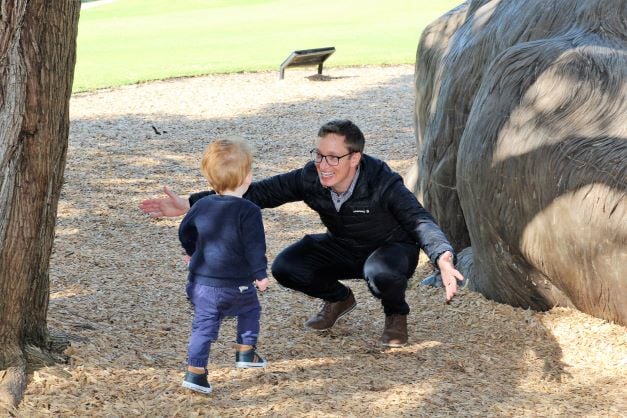
Exploring the challenges to mental and physical health fathers face during their transition to parenthood.
Our results lend support to a vaccination strategy which includes family members in order to provide maximum protection for newborn babies.
In comparison to those young adults attending open employment from 2009 to 2011, those attending day recreation programs were reported to experience...
The purpose of this study is to describe the social participation of young adults with Down syndrome and examine its relationship with the physical and...
Preliminary evidence suggests that prenatal testosterone exposure may be associated with language delay. However, no study has examined a large sample of...
We investigated relationships between hand function and genotype and aspects of phenotype in Rett syndrome
Influenza is major cause of paediatric hospitalisation. Influenza vaccine was offered to all children aged 6-59 months resident in Western Australia in 2008
This study aimed to compare the phenotype of Rett syndrome cases with C-terminal deletions to that of cases with different MECP2 mutations